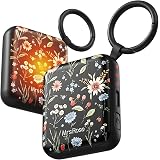
MrsRose Ultra Thin Rechargeable Hand Warmers 2 Pack with Carabiner Ring | Electric Hand Warmers, NTC Safety Control, 3 Heat Levels, Up to 7H Heating, Ultra Lightweight 55g, Winter Gifts for Christmas
$14.99 (as of October 31, 2026 22:03 GMT +00:00 – More infoProduct prices and availability are accurate as of the date/time indicated and are subject to change. Any price and availability information displayed on [relevant Amazon Site(s), as applicable] at the time of purchase will apply to the purchase of this product.)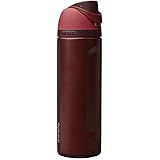
Owala FreeSip Stainless Steel Water Bottle 24 oz Black Cherry
$29.99 (as of October 31, 2026 22:03 GMT +00:00 – More infoProduct prices and availability are accurate as of the date/time indicated and are subject to change. Any price and availability information displayed on [relevant Amazon Site(s), as applicable] at the time of purchase will apply to the purchase of this product.)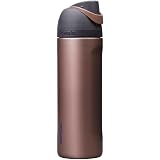
Owala FreeSip Stainless Steel Water Bottle 24 oz Desert Smoke
$24.93 (as of October 31, 2026 22:03 GMT +00:00 – More infoProduct prices and availability are accurate as of the date/time indicated and are subject to change. Any price and availability information displayed on [relevant Amazon Site(s), as applicable] at the time of purchase will apply to the purchase of this product.)
Peak Refuel Chicken Alfredo Freeze-Dried Meal, 48g Protein, 2 Servings | 48g protein, 100% real meat, Non-GMO ingredients, No fillers, Freeze-dried, Just add water, 2 servings, Backpacking meal
(as of October 31, 2026 22:03 GMT +00:00 – More infoProduct prices and availability are accurate as of the date/time indicated and are subject to change. Any price and availability information displayed on [relevant Amazon Site(s), as applicable] at the time of purchase will apply to the purchase of this product.)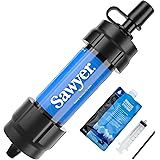
Sawyer Products SP128 Mini Water Filtration System, Single, Blue
$28.99 (as of October 31, 2026 22:03 GMT +00:00 – More infoProduct prices and availability are accurate as of the date/time indicated and are subject to change. Any price and availability information displayed on [relevant Amazon Site(s), as applicable] at the time of purchase will apply to the purchase of this product.)Toughness is not just a trait of athletes or military personnel; it’s an crucial skill for everyone, especially when faced with urban emergencies. In situations where chaos might reign, cultivating mental toughness enables you to maintain calmness and clarity. This blog post will explore techniques and strategies to enhance your resilience, helping you stay focused and make better decisions when it truly matters. Your ability to navigate these crises effectively can not only ensure your safety but also that of those around you.
Key Takeaways:
- Developing mental resilience allows individuals to manage stress and make clear decisions during emergencies.
- Practicing mindfulness techniques can enhance focus and calmness in high-pressure situations.
- Preparation through simulation exercises enables quicker response and better situational awareness when real emergencies arise.
- Strong communication skills are vital for coordinating effectively with others during urban crises.
- Physical fitness contributes to mental toughness, as it helps reduce anxiety and improves confidence under stress.
Understanding Mental Toughness
The ability to remain emotionally resilient and robust in high-pressure situations defines mental toughness. In urban emergencies, this strength allows you to navigate chaos, make informed decisions, and maintain clarity. By fostering mental toughness, you enhance your capacity to respond effectively when faced with adversity, ensuring you can act decisively while others might panic.
Definition and Importance
One way to think about mental toughness is as a blend of resilience, focus, and control. This quality is important not only for athletes but for anyone facing unpredictable urban environments. By developing mental toughness, you empower yourself to stay calm and composed during emergencies, which can significantly influence the outcome of the situation.
Key Traits of Mentally Tough Individuals
About mentally tough individuals, they exhibit several defining traits, including resilience, emotional regulation, and a strong sense of purpose. They can face challenges head-on, adapt to change, and maintain a positive mindset despite adversity. These qualities can be developed over time, enabling you to approach stressful situations with confidence and poise.
Mentally tough individuals not only withstand stress but also use it to fuel their growth. They possess a clear focus on their goals and the flexibility to adapt strategies as circumstances shift. By embodying traits such as discipline, perseverance, and self-awareness, you can enhance your mental toughness, equipping yourself to handle complexities in urban emergencies effectively.
Urban Emergencies and Their Challenges
Some urban emergencies arise unexpectedly, presenting unique challenges that require swift action and clear thinking. From natural disasters to man-made crises, these situations can disrupt the lives of individuals and entire communities. Understanding the context and potential hurdles can prepare you to respond effectively when faced with such emergencies.
Types of Urban Emergencies
- Natural disasters (earthquakes, floods, etc.)
- Human-made disasters (terrorist attacks, industrial accidents)
- Public health emergencies (pandemics, outbreaks)
- Infrastructure failures (power outages, gas leaks)
- Mass casualty incidents (traffic accidents, shootings)
Thou must be aware of these types of emergencies so you can tailor your preparedness strategies accordingly.
| Type of Emergency | Notes |
|---|---|
| Natural | Often unpredictable and can escalate quickly. |
| Human-made | Deliberate acts that can impact large populations. |
| Public Health | Can spread widely and affect entire communities. |
| Infrastructure | Can cause immediate risk and require urgent repairs. |
| Mass Casualty | Requires coordinated emergency response efforts. |
Psychological Impact on Individuals
Impact during urban emergencies can be profound, affecting not just the physical well-being of individuals but also their mental health. Stress, anxiety, and uncertainty are common reactions in the face of chaos and danger. You may find yourself feeling overwhelmed or even detached from reality as the situation unfolds.
Due to the intensity of these experiences, many people may grapple with trauma and emotional challenges long after the emergency has passed. The stress of urban emergencies can lead to anxiety disorders, depression, and post-traumatic stress disorder (PTSD) if not addressed. It’s important that you not only focus on the immediate response but also consider strategies for emotional recovery and mental resilience in the aftermath of such events.
Strategies for Developing Mental Toughness
Once again, embracing mental toughness is vital during urban emergencies. Developing strategies requires a commitment to practice and self-reflection. By focusing on building your resilience, enhancing your emotional regulation, and reinforcing your problem-solving skills, you can cultivate a mindset that keeps you calm and focused when it matters most. Implementing these strategies will gradually prepare you to face unexpected challenges head-on.
Training Your Mind
Before you face an emergency, it’s imperative to train your mind. Engaging in regular mental exercises such as visualization, mindfulness, and positive affirmations can significantly enhance your ability to remain composed. By dedicating time each day to practice these techniques, you can strengthen your mental resilience, enabling you to tackle stressors more effectively during critical moments.
Practical Techniques for High-Stress Situations
At the moment of a high-stress situation, using specific techniques can help you gain clarity and control. Techniques like deep breathing, grounding exercises, and focused problem-solving can assist you in maintaining your mental composure. These approaches allow you to pause, collect your thoughts, and make informed decisions, as opposed to reacting impulsively.
Your ability to stay focused can significantly affect the outcome of an urban emergency. Practicing deep breathing can slow your heart rate and clear your mind, enabling you to think strategically. Grounding exercises, such as identifying your surroundings or the sensations in your body, can help anchor you in the present moment. Combining these techniques with a solid action plan will provide a clear direction for responding effectively when chaos arises.
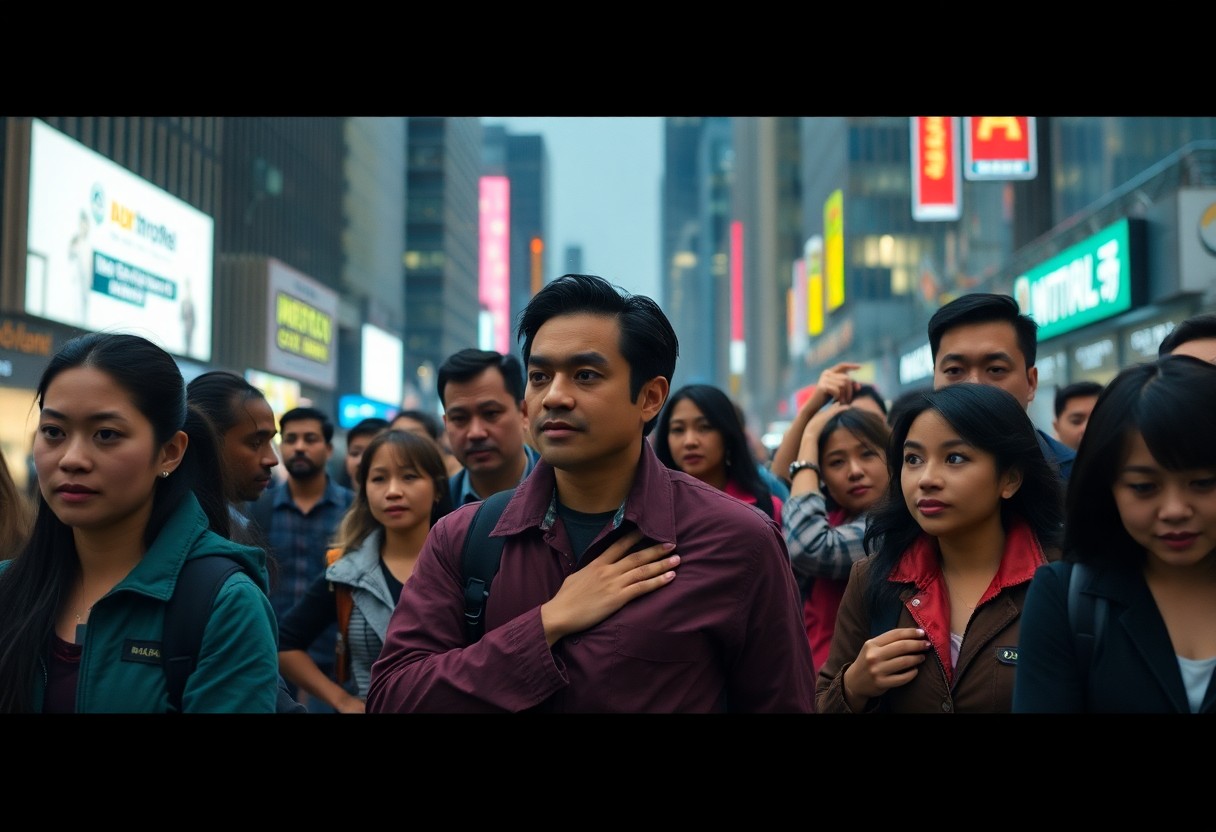
Staying Calm During Urban Crises
To navigate urban crises effectively, maintaining composure is vital. When faced with uncertainty, you can enhance your response by focusing on controlling your reactions. Adopting a calm demeanor not only enhances your decision-making but also influences those around you. Grounding yourself in the moment can empower you to act wisely and maintain clarity when every second counts.
Breathing Techniques and Mindfulness
Above all, incorporating breathing techniques and mindfulness into your routine can significantly reduce anxiety. Focusing on your breath allows you to stabilize your emotions and regain control over your physical responses. Practice deep, slow breaths to anchor yourself to the present, making it easier to think clearly in crisis situations.
The Role of Visualization
Along with breathing techniques, utilizing visualization can enhance your ability to remain calm. By picturing a successful outcome or mentally rehearsing your response, you can prepare yourself for various scenarios. This mental practice not only strengthens your confidence but also reduces stress, enabling you to focus when challenges arise.
Breathing deeply while visualizing successful outcomes can create a powerful synergy in managing crises. Imagine yourself navigating through high-pressure situations with poise and effectiveness. By regularly practicing this technique, you train your mind to envision favorable resolutions even in the chaos of urban emergencies. This mental rehearsal primes you to react with clarity and purpose when it matters most, transforming anxiety into action.
Building a Support System
Not having a support system can leave you feeling isolated and overwhelmed during urban emergencies. It’s vital to engage with neighbors, community groups, or local organizations that can provide you with assistance and encouragement in times of crisis. Building these connections ahead of time helps to ensure that you don’t navigate emergencies alone, making it easier for you to remain calm and focused when it counts.
Importance of Community and Networks
About establishing a strong community network enhances your ability to respond effectively in emergencies. When you cultivate relationships with those around you, you create a safety net that can provide resources, support, and shared knowledge. Having reliable contacts can be instrumental in spreading information quickly and mobilizing collective action in a crisis.
Communication During Emergencies
At the heart of effective emergency responses is the ability to communicate clearly and efficiently. Ensuring that you have multiple channels of communication—from mobile apps to neighborhood alert systems—can help you stay informed and connected with others. Establishing check-in systems with family and friends can also provide reassurance and coordination during stressful situations.
For instance, consider setting up a designated communication plan with your loved ones. This might include agreeing on a specific meeting place or utilizing social media and messaging apps to relay information during chaotic situations. Having predetermined ways to reach one another can minimize panic and uncertainties, allowing you to act swiftly and decisively when it matters most.
Preparing for the Unexpected
Keep your mind sharp and your response swift by planning ahead for emergencies. By creating a mental framework and a toolkit of strategies, you can navigate urban crises with more ease. You can explore How to Keep Calm in an Emergency for tips on maintaining your composure when faced with unexpected challenges.
Emergency Preparedness Plans
About developing a comprehensive emergency preparedness plan, it’s necessary to outline specific actions you and your family should take in various scenarios. Tailor your plan to your environment and lifestyle, ensuring that everyone involved knows their role and what to expect in case of an emergency.
Role-Playing Scenarios
About simulating emergency situations through role-playing can significantly enhance your responsiveness and decision-making skills. By practicing different scenarios, you familiarize yourself with the potential challenges you may face, ensuring that you are mentally ready when the real situation arises.
Due to the unpredictability of emergencies, role-playing scenarios help you build confidence and instinctual reactions. Engaging in these structured drills with family or friends creates a safe space for you to explore various responses. This practice not only sharpens your skills but also cultivates teamwork, ensuring that everyone plays their part effectively when it matters most.
To wrap up
As a reminder, developing mental toughness is crucial for navigating urban emergencies with composure and effectiveness. By honing your ability to stay calm and focused, you equip yourself to make informed decisions in high-pressure situations. Practice techniques like deep breathing and visualization to enhance your resilience. In doing so, you will not only safeguard your well-being but also contribute positively to those around you. Embrace the challenge of becoming mentally resilient, and you will be prepared to face any urban crisis that arises.
FAQ
Q: What is mental toughness, and why is it important during urban emergencies?
A: Mental toughness refers to the ability to maintain focus, discipline, and resilience under pressure. In urban emergencies, such as natural disasters or civil unrest, the ability to stay calm and make rational decisions can greatly influence outcomes. It helps individuals assess situations quickly, follow safety protocols, and support others effectively, contributing to a more organized response and recovery process.
Q: How can someone develop mental toughness in preparation for potential urban emergencies?
A: Developing mental toughness involves practicing stress management techniques and enhancing emotional regulation. Individuals can participate in drills, simulations, and training programs that mimic urban emergency scenarios. Techniques such as mindfulness, visualization, and breathing exercises can also foster a calm mindset. Regular physical fitness and building problem-solving skills are additional ways to prepare mentally for high-pressure situations.
Q: What role does situational awareness play in enhancing mental toughness during urban crises?
A: Situational awareness involves being cognizant of your surroundings and potential threats. During urban emergencies, heightened awareness enables individuals to quickly assess risks, evaluate their environments, and make informed decisions. By improving situational awareness, a person can maintain focus, remain alert to changes in conditions, and respond proactively to emerging challenges, which is vital for effective crisis management.
Q: In what ways can teamwork bolster mental toughness in urban emergency situations?
A: Teamwork can significantly enhance mental toughness by fostering a sense of community and shared responsibility. During emergencies, working with others allows for better division of tasks, pooling of resources, and emotional support. Collaborating in high-stress situations helps individuals feel less isolated and more empowered, reducing anxiety and enabling calmer decision-making, which can be critical for successful outcomes.
Q: What strategies can individuals use to maintain focus and composure when faced with an urban emergency?
A: To maintain focus and composure during an urban emergency, individuals can implement several strategies. First, establishing a clear action plan ahead of time can provide direction when chaos ensues. Secondly, practicing grounding techniques—such as focusing on the breath or visualizing a safe space—can help calm the mind. Lastly, prioritizing tasks and breaking down challenges into manageable steps can prevent overwhelming feelings and facilitate effective responses.
Author

Owala FreeSip Sway Stainless Steel Water Bottle 40 oz Foggy Tide
$44.99 (as of October 31, 2026 22:03 GMT +00:00 – More infoProduct prices and availability are accurate as of the date/time indicated and are subject to change. Any price and availability information displayed on [relevant Amazon Site(s), as applicable] at the time of purchase will apply to the purchase of this product.)
Peak Refuel Chicken Alfredo Freeze-Dried Meal, 48g Protein, 2 Servings | 48g protein, 100% real meat, Non-GMO ingredients, No fillers, Freeze-dried, Just add water, 2 servings, Backpacking meal
(as of October 31, 2026 22:03 GMT +00:00 – More infoProduct prices and availability are accurate as of the date/time indicated and are subject to change. Any price and availability information displayed on [relevant Amazon Site(s), as applicable] at the time of purchase will apply to the purchase of this product.)
STANLEY IceFlow 2.0 Flip Straw Tumbler, 30 oz, Champagne | Easy Carry Handle | Twist On Lid and Flip Up Straw | Leak Resistant Water Bottle | Insulated Stainless Steel | BPA-Free
$26.26 (as of October 31, 2026 22:03 GMT +00:00 – More infoProduct prices and availability are accurate as of the date/time indicated and are subject to change. Any price and availability information displayed on [relevant Amazon Site(s), as applicable] at the time of purchase will apply to the purchase of this product.)
Hydro Flask Micro Bottle – Insulated Mini Leak Proof Flask for Purse or Pocket in 6.7 Oz Gloss Winterberry
$22.95 (as of October 31, 2026 22:03 GMT +00:00 – More infoProduct prices and availability are accurate as of the date/time indicated and are subject to change. Any price and availability information displayed on [relevant Amazon Site(s), as applicable] at the time of purchase will apply to the purchase of this product.)

Leave a Reply