Emergency Blanket Mylar Thermal Space Survival Gear & Supplies 4-Pack Foil | Cold Weather Power Outage Camping Car Winter Storm Heat Reflective Hiking Backpacking Essentials First Aid Marathon Prepper
$8.99 (as of November 1, 2026 22:10 GMT +00:00 – More infoProduct prices and availability are accurate as of the date/time indicated and are subject to change. Any price and availability information displayed on [relevant Amazon Site(s), as applicable] at the time of purchase will apply to the purchase of this product.)
Sawyer Products SP128 Mini Water Filtration System, Single, Blue
$28.99 (as of November 1, 2026 22:10 GMT +00:00 – More infoProduct prices and availability are accurate as of the date/time indicated and are subject to change. Any price and availability information displayed on [relevant Amazon Site(s), as applicable] at the time of purchase will apply to the purchase of this product.)
Niorasen Merino Wool Socks for Men & Women, Thermal Winter Crew Warm Socks | seamless toe and cushioned comfort, ideal for cold weather, work boots, hiking and holiday stocking stuffers, gift
$11.99 (as of November 1, 2026 22:10 GMT +00:00 – More infoProduct prices and availability are accurate as of the date/time indicated and are subject to change. Any price and availability information displayed on [relevant Amazon Site(s), as applicable] at the time of purchase will apply to the purchase of this product.)
HotHands Hand Warmers Value Pack, 10 Pairs – America’s Favorite Warmer
$7.48 (as of November 1, 2026 22:10 GMT +00:00 – More infoProduct prices and availability are accurate as of the date/time indicated and are subject to change. Any price and availability information displayed on [relevant Amazon Site(s), as applicable] at the time of purchase will apply to the purchase of this product.)
DaMaiTeMai 2027 New 3 in 1 Winter Hat, Fleece Double‑Layer Integrated Hat | 3-in-1 Face & Neck Gaiter, Unisex Winter Fleece Balaclava Hood, Adjustable Windproof Designed for Cycling, Skiing and Cold
$19.97 (as of November 1, 2026 22:10 GMT +00:00 – More infoProduct prices and availability are accurate as of the date/time indicated and are subject to change. Any price and availability information displayed on [relevant Amazon Site(s), as applicable] at the time of purchase will apply to the purchase of this product.)Many urban dwellers underestimate the power of community in times of crisis. As you navigate the complexities of emergency preparedness, building a supportive network can significantly enhance your resilience. This post will guide you through the imperative steps to form effective urban prepper networks, ensuring that you and your neighbors are well-equipped to face challenges together. By fostering collaboration and sharing resources, you can create a strong safety net that bolsters your individual efforts and strengthens your community.
Key Takeaways:
- Building networks within your urban community enhances resource sharing and increases safety for all members.
- Effective communication and regular meetings are important for establishing trust and solidarity among network members.
- Creating a diverse group with varied skills and backgrounds strengthens the overall preparedness of the network.
- Developing a plan for emergency response and planning for potential scenarios increases the network’s effectiveness in a crisis.
- Engaging with local authorities and organizations can provide additional support and resources for your urban prepper network.
Understanding Urban Preparedness
Before you begin on your journey towards urban preparedness, it’s vital to grasp the unique challenges posed by city living. Urban environments present distinct hazards, from natural disasters to supply chain disruptions, making it vital for you to adopt a proactive mindset. By recognizing the context of your urban setting, you can develop strategies that suit your specific needs and resources, ultimately enabling you to thrive in any situation that may arise.
The Importance of Community
Across many urban landscapes, a strong sense of community is vital for ensuring your safety and resilience. Forming connections with like-minded individuals creates a support system that enhances your preparedness efforts. Together, you can share resources, knowledge, and skills, making it easier to navigate through potential crises and fostering a culture of mutual aid within your neighborhood.
Key Principles of Urban Prepper Networks
Urban prepper networks rely on collaboration, resource sharing, and diverse skill sets. These networks allow you to pool knowledge and resources, which can significantly improve your chances of effectively responding to emergencies. By building a community that values communication and cooperation, you create a safety net that enhances your overall preparedness strategy.
Importance is placed upon establishing clear communication channels within your urban prepper network. This ensures timely updates and coordinated responses during emergencies. Engaging in regular group meetings, training exercises, and knowledge-sharing sessions will further enhance your collective readiness. Additionally, developing an inventory of available skills and resources within your network can guide and streamline your preparedness efforts, allowing you to tackle challenges with confidence and cohesion.
Identifying Your Local Resources
Clearly, understanding your local resources is fundamental to building a strong urban prepper network. Consider creating a comprehensive list of available resources in your vicinity, such as community centers, local food banks, and emergency services. For further insights, check out The Urban Prepper A City Survival Guide. This guide can provide valuable information on optimizing your resource identification process.
Gathering Information on Community Assets
The best way to gather information on your community’s assets is to engage with local organizations and networks. Reach out to neighbors, attend community meetings, and utilize online platforms to discover resources that may not be immediately visible. Look for local experts who possess knowledge about goods, services, and emergency resources that align with your prepping goals.
Mapping Potential Support Networks
Mapping your potential support networks is important for effective urban preparedness. This process involves identifying individuals or groups within your community that can offer assistance during challenging times, such as volunteer organizations, local businesses, and neighbors skilled in various survival techniques. A proactive approach will help you visually plot out connections that may be beneficial for you.
Identifying these networks informs not only who can provide immediate support during emergencies but also how to leverage collective knowledge and resources. By creating an accessible network map, you can assess which connections can help you with food supplies, medical assistance, or skill-sharing. Building these connections proactively ensures that you can enhance your urban preparedness by fostering a reliable support system.
Building Your Urban Prepper Network
Not establishing a robust urban prepper network can leave you vulnerable in times of need. Taking the time to connect with like-minded individuals and foster a strong sense of community is fundamental for effective preparedness. Collaborating with others not only enhances your knowledge and skills but also creates a support system that can be vital in emergencies.
Finding Like-Minded Individuals
Your journey to building an urban prepper network begins with identifying others who share your interests and goals. Start by attending local workshops, joining online forums, or participating in community events focused on self-reliance and preparedness. These platforms provide excellent opportunities to meet individuals who are eager to collaborate and exchange ideas.
Establishing Communication Channels
Above all, it’s important to create effective communication channels with your network. Establishing clear paths for sharing information and organizing meetups can make a significant difference during emergencies or planning sessions.
And while face-to-face interactions are valuable, leveraging digital tools like group messaging apps, social media, and dedicated forums can enhance your network’s connectivity. Creating a shared calendar for training sessions, skill swaps, or emergency drills encourages accountability and a proactive approach to preparedness. Ensure that everyone in your network feels included and informed, and don’t hesitate to revisit and revise communication methods as your group evolves.

Training and Skill Sharing
All members of your urban prepper community can greatly benefit from shared knowledge and skills. By organizing training sessions and workshops, you create opportunities for individuals to learn vital survival techniques, enabling everyone to be better prepared for emergencies. Collaborating with others not only strengthens your network but also fosters a sense of camaraderie and mutual support, vital components for effective urban prepping.
Organizing Workshops and Training Sessions
One way to enhance your community’s readiness is by organizing regular workshops and training sessions. You can choose topics that cover vital skills like first aid, food preservation, water purification, and self-defense. Engaging in hands-on activities allows participants to practice and refine their abilities, ensuring that they are better equipped to handle unexpected situations.
Leveraging Local Experts and Resources
Training your community members can be enriched by leveraging local experts and resources. By inviting specialists in various fields, you provide access to advanced knowledge and practical insights that benefit everyone in your network.
Training your community using local experts allows you to tap into existing knowledge and resources effectively. You can reach out to local farmers, healthcare professionals, or emergency responders who are willing to share their expertise. Not only does this cultivate a sense of transparency and trust within your network, but it also empowers you and your peers to learn from those who already possess the skills you seek. Organizing these sessions can strengthen ties in your community, allowing for a richer exchange of ideas and enhancing your overall preparedness.
Running Simulations and Drills
Now that you’ve established your urban prepper network, it’s important to enhance your group’s readiness through simulations and drills. By practicing various scenarios, you can familiarize yourselves with emergency procedures and improve individual roles within the community. Regularly scheduled drills help identify gaps in your plans, encourage teamwork, and build confidence among members, ensuring everyone is on the same page when it truly matters.
Planning and Executing Community Drills
Beside regular meetings, planning and executing community drills can significantly sharpen your group’s preparedness. Coordinate with your members to create realistic scenarios that reflect potential emergencies in your urban environment. Outline specific roles for each participant and establish clear objectives to ensure effective practice. Engage in these drills consistently and encourage feedback to foster an environment of learning and improvement.
Evaluating and Improving Preparedness Plans
Behind every successful community drill lies a thorough evaluation process to assess performance and outcomes. Analyze how well the group executed the drill, taking note of strengths and areas needing improvement. Open discussions with community members to gather insights and perspectives can provide valuable feedback to refine your preparedness plans. The goal is to ensure your plans remain effective and relevant to the potentially changing urban landscape.
Plus, regularly revisiting and updating your preparedness plans will ensure that your urban prepper network can adapt to new challenges and scenarios. Consider integrating lessons learned from drills to enhance training sessions. Keeping communication lines open with your network allows for continuous improvement as each member can contribute ideas and solutions, strengthening the overall resilience of your community.
Maintaining the Network
For a successful prepper network, consistent maintenance is key. This involves regular communication, updates, and collaborative activities that help strengthen relationships. By investing time and effort to keep the network active, you’ll enhance trust and ensure that everyone is prepared to respond effectively should the need arise.
Regular Meetings and Updates
Maintaining regular meetings and updates fosters an environment of collaboration and preparedness. Scheduling monthly or quarterly gatherings ensures that everyone stays informed, shares new insights, and discusses evolving challenges in urban survival. These opportunities not only reinforce bonds but also align your group’s strategies and resources.
Encouraging Continuous Involvement
Maintaining continuous involvement within your prepper network creates an engaged and responsive community. Encouraging members to participate in planning, training, and resource sharing cultivates a sense of ownership and responsibility. This dynamic involvement transforms mere acquaintances into reliable allies.
Also, you can promote continuous involvement by organizing diverse activities that cater to different interests within your group. Consider workshops, skill-sharing sessions, and fun community events that not only educate but also energize members. By tailoring your approach and recognizing individual contributions, you create a motivated network capable of thriving together.
Conclusion
To wrap up, building an urban prepper network is important for your long-term preparedness and resilience. Engaging with like-minded individuals not only enhances your skills but also provides vital resources and support during uncertain times. By fostering strong connections in your community, you can create a robust system for sharing knowledge and staying informed. This approach empowers you to navigate challenges more effectively, ensuring you and your loved ones remain safe and secure in any situation.
FAQ
Q: What is the primary focus of ‘Community is Your Survival Tool – Building Urban Prepper Networks That Work’?
A: The book centers on the importance of developing and maintaining strong community networks among urban preppers. It teaches readers how collaboration and shared resources can enhance preparedness efforts in cities, emphasizing that working together can significantly improve individual and collective resilience in the face of emergencies or disasters.
Q: How can I start building an urban prepper network in my area?
A: To initiate the formation of a prepper network, begin by identifying like-minded individuals through local community groups, social media platforms, or preparedness forums. Organize informal meetups to discuss preparedness topics, skills-sharing, or group activities that can enhance community bonds. Gradually, you can establish a structured network that includes regular meetings, training sessions, and resource-sharing agreements.
Q: What types of skills should members of an urban prepper network focus on developing?
A: Members should aim to acquire a diverse set of skills that can benefit the group as a whole. This can include first aid and medical training, food preservation techniques, gardening for sustainable food sources, self-defense tactics, and basic survival skills. Additionally, setting up workshops for skill-sharing can empower members and create a stronger support system within the community.
Q: How does an urban prepper network enhance individual preparedness?
A: An urban prepper network enhances individual preparedness by pooling resources, knowledge, and skills. Members can share supplies, provide training, and offer emotional support during crises. This collective approach enables individuals to cover gaps in their personal preparedness plans and leverage the strengths of the group to address challenges more effectively.
Q: What challenges might I encounter when creating a prepper network, and how can I overcome them?
A: Potential challenges include differing levels of interest, skepticism about preparedness, and logistical issues related to organizing meetings or activities. To overcome these, focus on open communication to foster trust and camaraderie among members. Provide educational resources that highlight the benefits of preparedness, and create engaging and fun group activities that encourage participation and build rapport.
Author

Sawyer Products SP128 Mini Water Filtration System, Single, Blue
$28.99 (as of November 1, 2026 22:10 GMT +00:00 – More infoProduct prices and availability are accurate as of the date/time indicated and are subject to change. Any price and availability information displayed on [relevant Amazon Site(s), as applicable] at the time of purchase will apply to the purchase of this product.)
Owala FreeSip Sway Stainless Steel Water Bottle 30oz Harry Potter Vignettes | Cupholder Friendly | Triple-Layer Insulation | Leak-Proof Lid with Push-Button to Open
$39.99 (as of November 1, 2026 22:10 GMT +00:00 – More infoProduct prices and availability are accurate as of the date/time indicated and are subject to change. Any price and availability information displayed on [relevant Amazon Site(s), as applicable] at the time of purchase will apply to the purchase of this product.)
Bearwind Electric Hand Warmers Rechargeable 2 Pack,Floral Art Design Magnetic Hand Warmers,0.1S Safe&Fast Heating Cute Portable Mini Hand Warmers,Gifts for Women Her Mom,Christmas Stocking Stuffers
$14.99 (as of November 1, 2026 22:10 GMT +00:00 – More infoProduct prices and availability are accurate as of the date/time indicated and are subject to change. Any price and availability information displayed on [relevant Amazon Site(s), as applicable] at the time of purchase will apply to the purchase of this product.)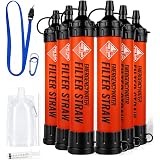
Pure Flow Water Water Filter Straw – High Capacity Survival Water Filter Kit, Lightweight Reusable Portable Water Straw for Camping Hiking Backpacking (6 Pack)
(as of November 1, 2026 22:10 GMT +00:00 – More infoProduct prices and availability are accurate as of the date/time indicated and are subject to change. Any price and availability information displayed on [relevant Amazon Site(s), as applicable] at the time of purchase will apply to the purchase of this product.)

Leave a Reply