Fitbit Google Air – Screenless Activity Tracker – Obsidian | Fitness, heart rate, & sleep tracking, personalized AI-powered coaching, up to 7 days’ battery life, works with iOS & Android
$99.99 (as of September 15, 2026 17:44 GMT +00:00 – More infoProduct prices and availability are accurate as of the date/time indicated and are subject to change. Any price and availability information displayed on [relevant Amazon Site(s), as applicable] at the time of purchase will apply to the purchase of this product.)
Ravenox Natural Twisted Cotton Rope | Made in The USA | Strong Multi-Strand Cordage for Sports, Décor, Pet Toys, Crafts, Macramé, Nautical & Indoor Outdoor Use| by The Foot & Diameter (Multiple Color)
(as of September 15, 2026 17:21 GMT +00:00 – More infoProduct prices and availability are accurate as of the date/time indicated and are subject to change. Any price and availability information displayed on [relevant Amazon Site(s), as applicable] at the time of purchase will apply to the purchase of this product.)
Owala Marvel Spider-Man FreeSip Stainless Steel Water Bottle 32 oz
$39.99 (as of September 15, 2026 17:44 GMT +00:00 – More infoProduct prices and availability are accurate as of the date/time indicated and are subject to change. Any price and availability information displayed on [relevant Amazon Site(s), as applicable] at the time of purchase will apply to the purchase of this product.)
College Baby NCAA Infant Solid Bodysuit Short Sleeve – Unisex, (0-12 Mos)
$26.99 (as of September 15, 2026 17:21 GMT +00:00 – More infoProduct prices and availability are accurate as of the date/time indicated and are subject to change. Any price and availability information displayed on [relevant Amazon Site(s), as applicable] at the time of purchase will apply to the purchase of this product.)
Renoj Resistance Bands for Working Out, 5 Levels Pull Up Assistance Bands Set for Workout, Exercise, Home Gym & Strength Training
$17.98 (as of September 15, 2026 17:44 GMT +00:00 – More infoProduct prices and availability are accurate as of the date/time indicated and are subject to change. Any price and availability information displayed on [relevant Amazon Site(s), as applicable] at the time of purchase will apply to the purchase of this product.)There’s no telling when an emergency might arise in an urban environment, so prioritizing your safety and preparedness is necessary. Building a robust urban emergency kit ensures you have the vital supplies you need at your fingertips. In this guide, you’ll discover the must-have components that will empower you to respond effectively in unexpected situations, keeping you and your loved ones safe when it matters most.

Key Takeaways:
- Include vital items such as water, non-perishable food, and a first aid kit to ensure basic survival needs are met.
- Incorporate communication tools, such as a battery-powered radio and a whistle, to stay informed and signal for help.
- Pack necessary personal items, including medications, identification, and cash, to address individual needs during an emergency.
- Add tools and supplies like a multipurpose knife, flashlights, and batteries to assist with various tasks and situations.
- Regularly review and update the kit to replace expired items and adjust contents based on changing household needs or circumstances.
Understanding Urban Emergencies
For city dwellers, urban emergencies can occur unexpectedly, ranging from natural disasters to man-made crises. These situations can disrupt daily life, strain resources, and pose significant risks to personal safety. Being aware of the potential threats in your urban environment will help you tailor your emergency preparedness strategy effectively.
Types of Urban Emergencies
For your preparedness, it’s necessary to recognize various urban emergencies:
- Natural Disasters (earthquakes, floods)
- Public Health Emergencies (pandemics, epidemics)
- Man-Made Disasters (terrorist attacks, industrial accidents)
- Infrastructure Failures (power outages, water supply disruption)
- Civil Unrest (protests, riots)
This knowledge will enhance your readiness for unexpected situations.
| Type of Emergency | Description |
| Natural Disasters | Events caused by natural phenomena (e.g., earthquakes, floods). |
| Public Health Emergencies | Health crises impacting large populations (e.g., pandemics). |
| Man-Made Disasters | Disasters caused by human action (e.g., terrorist attacks). |
| Infrastructure Failures | Breakdowns in necessary services (e.g., power outages). |
| Civil Unrest | Disruptions in social order (e.g., riots, protests). |
Importance of Preparedness
Little planning can make a significant difference during urban emergencies. Developing an emergency plan and assembling a kit will help you respond effectively in stressful situations.
Urban environments are dynamic and constantly changing, which can lead to increased vulnerabilities during emergencies. By taking the time to prepare, you empower yourself to navigate challenging scenarios with confidence. You’ll not only protect your own safety but also be better positioned to assist your neighbors and community during critical times. Preparedness can also alleviate anxiety and enhance your overall resilience in the face of uncertainty.
Factors to Consider When Curating Your Kit
Some of the key factors to consider when curating your urban emergency kit include:
- Your environment and climate
- Potential hazards specific to your area
- Your family size and demographic
- Available storage space
- Legal regulations regarding emergency supplies
This will ensure your kit is tailored to meet your unique circumstances.
Location-Specific Needs
There’s no one-size-fits-all solution when it comes to emergency kits. Urban areas can face distinct challenges, such as high population density, limited resources, and the risk of natural disasters like earthquakes or floods. Ensure your kit is customized to address these specific risks in your locality, offering solutions that suit your environment.
Personal and Family Considerations
To effectively prepare your emergency kit, it’s imperative to consider the specific needs of your family. Factors such as age, dietary restrictions, and medical requirements should all play a role in determining the contents of your kit. Additionally, think about your pets, as they require supplies too, and consider personal comfort items that can help ease stress during emergencies.
Factors influencing your personal and family considerations include the ages of your children, any ongoing health issues, and even hobbies or activities your family enjoys. This allows you to tailor your emergency kit for maximum effectiveness, ensuring everyone feels included in the preparation process. By addressing specific needs, you create a sense of security and well-being, empowering your family to respond effectively in emergencies.
Essential Components of Your Urban Emergency Kit
Keep imperative items in your urban emergency kit to ensure your safety and well-being during unforeseen situations. A thoughtfully curated kit will help you navigate an emergency with peace of mind, allowing you to focus on securing your safety and that of your loved ones. Be proactive in assembling and updating your kit regularly, so it’s always ready when you need it.
Water and Food Supplies
Urban emergencies can disrupt access to food and water sources, making it vital to stockpile enough supplies. You should aim for at least one gallon of water per person per day for at least three days, along with non-perishable food items that are easy to prepare, like energy bars, canned goods, and dehydrated meals.
First Aid and Medical Supplies
Urban emergencies may lead to injuries, making a well-stocked first aid kit an imperative part of your emergency preparation. You should include bandages, antiseptics, gauze pads, pain relievers, and any prescription medications you may need in your kit.
A basic first aid kit typically contains items for treating minor injuries, providing immediate care while awaiting professional help. Customize your kit based on specific family needs, including additional items like allergy medications, burn ointments, and a digital thermometer for better preparedness during emergencies.
Shelter and Warmth Items
Any urban emergency can expose you to harsh weather conditions, so it is wise to include shelter and warmth items in your kit. This may include thermal blankets, ponchos, and a tent or tarp, which will help maintain your body temperature and protect you from wind and rain.
Plus, having extra warm clothing such as socks, gloves, and hats can also make a significant difference in keeping you and your loved ones comfortable. In addition, consider carrying a small portable stove for heating food and beverages, which can be comforting during stressful times.
Tools and Emergency Gear
To navigate an urban emergency, you need reliable tools and gear that can assist you in various situations. Include a multi-tool, flashlight, extra batteries, and a whistle in your kit to help you manage challenges as they arise.
Supplies such as a sturdy rope or duct tape can also be incredibly helpful for emergency repairs or securing items. It’s imperative to have a portable phone charger as well, which will ensure your communication devices stay functional during a crisis.
How to Customize Your Kit
Your urban emergency kit should be as unique as you are, reflecting your specific needs and preferences. Start by assessing your living situation, potential hazards, and any personal requirements to ensure your kit is tailored for maximum effectiveness during an emergency.
Tailoring to Your Lifestyle
Lifestyle factors play a significant role in determining what items you should include in your emergency kit. Consider your daily routine, work environment, and family composition. If you have children, you may need additional supplies like pediatric medications or comfort items. For pet owners, ensure you pack necessities for your furry friends. Customize your kit to fit your unique circumstances for optimal preparedness.
Including Important Documents
With emergencies often leading to chaos and disorientation, having your important documents readily accessible is vital. Store copies of critical documents and identification, such as passports, medical records, insurance policies, and emergency contacts, in a waterproof pouch within your kit. This ensures you can quickly retrieve important information when needed.
For instance, you might want to include birth certificates, bank account information, or property deeds. Having these documents can facilitate smoother processes with authorities and assist in reclaiming lost property in the aftermath. Organizing and securing your important documents not only provides peace of mind but also streamlines your response during an emergency situation.
Tips for Maintenance and Updates
All urban emergency kits need regular attention to remain effective. To keep your kit ready for any situation, consider the following tips:
- Review expiration dates of food and medications.
- Ensure batteries in flashlights and radios are charged or replaced.
- Reassess your items based on your family’s changing needs.
- Store your kit in an easily accessible location.
The ongoing maintenance of your emergency kit ensures its reliability when you need it most.
Regularly Checking Supplies
Regularly inspect your emergency kit to make sure all supplies are intact and functional. This routine check should include confirming the condition of food items, water, first-aid supplies, and any personal necessities you may have included. By doing this every few months, you ensure that everything is in working order, safe, and ready for immediate use.
Updating for Seasonal Changes
For your urban emergency kit to be fully effective, it should reflect the changes in seasons and related needs. As weather conditions shift, so do your requirements for supplies.
Updates can include adding sunscreen and insect repellent for summer months or winter-specific items like extra blankets and hand warmers. Additionally, food items may require adjustments based on the type of emergency you anticipate with seasonal shifts. Consider incorporating weather-appropriate items to bolster your preparedness year-round.
Sharing Your Preparedness
Despite the common misconception that disaster preparedness is a solo endeavor, sharing your readiness with others can enhance community resilience. Look into Preparing Your ‘Bug Out Kit’ or “To Go” bag to better equip not just yourself, but those around you as well. When everyone is informed and prepared, you contribute to a stronger, safer community.
Community Engagement
Assuming you engage with your community by sharing resources, you can host workshops or events focused on emergency preparedness. Collaborating with local organizations can amplify your efforts, fostering a culture of readiness among your neighbors. As a community, sharing knowledge and resources often leads to collective safety and support during emergencies.
Educating Friends and Family
The importance of educating those close to you cannot be overstated. By ensuring that your friends and family know about emergency kits, communication plans, and evacuation routes, you create a safety net that can be relied upon in times of crisis.
For instance, you might organize a family discussion where you explain the different elements of your emergency kit, or even conduct a practice drill that includes everyone. This hands-on approach can provide an excellent opportunity for questions and clarifications, ultimately promoting confidence and preparedness for any type of urban emergency.
Conclusion
With these considerations in mind, you can assemble a robust urban emergency kit that meets your specific needs. Ensure you include crucials like water, non-perishable food, first aid supplies, flashlights, and battery-powered chargers. Tailor your kit to your environment and potential risks, adding items such as a multi-tool or local maps. Regularly check and update your supplies to ensure everything is functional and within expiration dates. By preparing this comprehensive kit, you enhance your readiness for any unexpected urban emergencies that may arise.
FAQ
Q: What is an urban emergency kit, and why is it important?
A: An urban emergency kit is a collection of vital supplies and equipment that individuals can have on hand to prepare for unexpected situations such as natural disasters, power outages, or civil disturbances. This kit is important because it ensures that you and your loved ones are equipped to survive and stay safe in the event of an emergency. Having these supplies readily available can help mitigate stress and potentially save lives during unforeseen circumstances.
Q: What are the must-have components of a robust urban emergency kit?
A: A well-rounded urban emergency kit should include the following components: water (at least one gallon per person per day for three days), non-perishable food, a flashlight with extra batteries, a first aid kit, a multi-tool or Swiss army knife, vital medications, a battery-operated or hand-crank radio, personal hygiene items, and important documents stored in a waterproof container. Additionally, consider including a whistle, dust masks, and local maps to enhance your kit’s preparedness.
Q: How can I ensure my urban emergency kit is tailored to my specific needs?
A: To customize your urban emergency kit, start by assessing your household’s unique needs. Consider factors such as the number of family members, types of medical conditions, dietary restrictions, and pets. Tailor your supplies accordingly, ensuring you have enough food and water for everyone, and include any necessary medications or special items for infants, seniors, or pets. Regularly review and update your kit as your circumstances change or as items reach their expiration dates.
Q: How often should I check and replenish my urban emergency kit?
A: It is advisable to check your urban emergency kit at least twice a year. During these checks, inspect all items for damage or expiration and replace any perishable items, such as food and medications. This practice not only keeps your kit functional but also ensures that you are familiar with its contents and can quickly access needed supplies in an emergency.
Q: Where is the best place to store my urban emergency kit?
A: The ideal place to store your urban emergency kit is in a location that is easily accessible to all members of your household, yet safe from potential hazards. Common storage spots include a hallway closet, under a bed, or in a garage. Ensure the storage area is dry and keeps the gear intact, and consider keeping a smaller, portable version of the kit in your vehicle for added preparedness on the go.
Author

2026 Panini FIFA World Cup Sticker Collection Box – 50 Sticker Packs | Amazon Exclusive Orange Parallel | Official FIFA World Cup Trading Stickers | Collect, Trade & Complete Your Album
$90.00 (as of September 15, 2026 17:44 GMT +00:00 – More infoProduct prices and availability are accurate as of the date/time indicated and are subject to change. Any price and availability information displayed on [relevant Amazon Site(s), as applicable] at the time of purchase will apply to the purchase of this product.)
Amazon Basics Neoprene Dumbbell Hand Weights for Exercise and Muscle Toning
$9.45 (as of September 15, 2026 17:44 GMT +00:00 – More infoProduct prices and availability are accurate as of the date/time indicated and are subject to change. Any price and availability information displayed on [relevant Amazon Site(s), as applicable] at the time of purchase will apply to the purchase of this product.)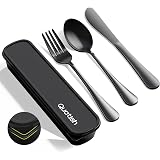
Quatish Travel Utensils with Case, Stainless Steel Cutlery Set, Black | Portable, Dishwasher Safe, Silverware Set, Reusable Camping Utensils, Fork and Spoon Set for Picnic, Camping, Work, Lunch Box
$5.99 (as of September 15, 2026 17:44 GMT +00:00 – More infoProduct prices and availability are accurate as of the date/time indicated and are subject to change. Any price and availability information displayed on [relevant Amazon Site(s), as applicable] at the time of purchase will apply to the purchase of this product.)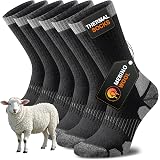
Niorasen Merino Wool Socks for Men & Women, Thermal Winter Crew Warm Socks | seamless toe and cushioned comfort, ideal for cold weather, work boots, hiking and holiday stocking stuffers, gift
$14.99 (as of September 15, 2026 17:44 GMT +00:00 – More infoProduct prices and availability are accurate as of the date/time indicated and are subject to change. Any price and availability information displayed on [relevant Amazon Site(s), as applicable] at the time of purchase will apply to the purchase of this product.)

Leave a Reply