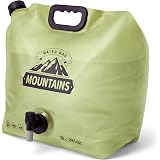
CoreMuse Camping Water Container 2.1 Gallon Collapsible Water Jug with Spout – Reusable Plastic Flasks, Foldable Empty Gallon Jug for Water Storage, Water Bag for Outdoor Hiking Emergency Prep -1 Pack
$8.68 (as of October 31, 2026 22:03 GMT +00:00 – More infoProduct prices and availability are accurate as of the date/time indicated and are subject to change. Any price and availability information displayed on [relevant Amazon Site(s), as applicable] at the time of purchase will apply to the purchase of this product.)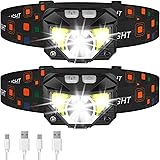
LHKNL Headlamp Flashlight, Lumen Bright Head Lamps LED Rechargeable Camping | Ultra-Light, with White Red Light, 2-Pack Waterproof Motion Sensor Headlight, 8 Modes for Outdoor Running Hiking Fishing
$19.99 (as of October 31, 2026 22:03 GMT +00:00 – More infoProduct prices and availability are accurate as of the date/time indicated and are subject to change. Any price and availability information displayed on [relevant Amazon Site(s), as applicable] at the time of purchase will apply to the purchase of this product.)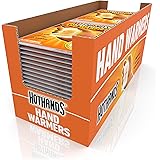
HotHands Hand Warmers Bulk Pack, 40 Pairs – America’s Favorite Warmer
$25.60 (as of October 31, 2026 22:03 GMT +00:00 – More infoProduct prices and availability are accurate as of the date/time indicated and are subject to change. Any price and availability information displayed on [relevant Amazon Site(s), as applicable] at the time of purchase will apply to the purchase of this product.)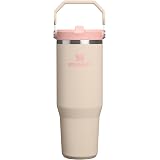
STANLEY IceFlow 2.0 Flip Straw Tumbler, 30 oz, Champagne | Easy Carry Handle | Twist On Lid and Flip Up Straw | Leak Resistant Water Bottle | Insulated Stainless Steel | BPA-Free
$26.26 (as of October 31, 2026 22:03 GMT +00:00 – More infoProduct prices and availability are accurate as of the date/time indicated and are subject to change. Any price and availability information displayed on [relevant Amazon Site(s), as applicable] at the time of purchase will apply to the purchase of this product.)
Milavan Smart Health Ring Fitness Tracker for Men Women, Rose Gold 8 | Sleep, Stress & Activity Monitoring, IP68 Waterproof, Long-Lasting Battery, No Subscription Fees, Works with iOS & Android
$35.99 (as of October 31, 2026 22:03 GMT +00:00 – More infoProduct prices and availability are accurate as of the date/time indicated and are subject to change. Any price and availability information displayed on [relevant Amazon Site(s), as applicable] at the time of purchase will apply to the purchase of this product.)Most residents of Los Angeles understand the importance of being prepared for natural disasters, but adapting your prepping strategy specifically to handle earthquakes and wildfires in this urban environment is imperative. As you navigate the unique challenges of city living, cultivating a survival mindset tailored to LA’s risks ensures you can protect yourself and your loved ones effectively. This guide will help you develop practical skills and assemble the right supplies to face these emergencies with confidence and resilience.
Key Takeaways:
- Los Angeles residents should prioritize earthquake preparedness, including securing heavy furniture, having an emergency kit, and establishing family communication plans.
- Wildfire readiness involves creating defensible space around homes, understanding evacuation routes, and maintaining smoke masks to protect against poor air quality.
- Urban survival in LA requires awareness of unique challenges such as dense population, limited water supply, and potential infrastructure failures during disasters.
- Community engagement and neighborhood readiness programs enhance resilience and provide mutual support during emergencies in urban settings.
- Combining practical skills, mental preparedness, and local knowledge fosters a proactive approach to surviving natural disasters in a metropolitan area.
The Need for Prepping in LA
Before disaster strikes in Los Angeles, you need to prepare yourself and your family for emergencies. Given the city’s vulnerability to earthquakes, wildfires, and other urban challenges, having a solid plan and supplies on hand is important to ensure your safety and peace of mind. Prepping is about adapting your mindset to face unique risks head-on, increasing your resilience in an unpredictable environment.
Understanding Local Threats
Beside its iconic skyline and vibrant culture, LA faces specific hazards like seismic activity along the San Andreas Fault and seasonal wildfires driven by dry heat and Santa Ana winds. You need to be aware of how these threats could disrupt daily life, from power outages to evacuation orders, so you can tailor your preparedness efforts to the realities of your surroundings.
Historical Context of Disasters
Among the most significant events shaping LA’s approach to survival are the 1994 Northridge earthquake and the recurring wildfires that have devastated communities for decades. Your understanding of these past disasters helps you grasp the scale and frequency of risks, encouraging proactive measures to mitigate their impacts on you and your neighborhood.
To build a comprehensive pre-disaster plan, you should study detailed accounts and lessons learned from LA’s history of natural catastrophes. This knowledge empowers you to anticipate potential scenarios, from immediate structural damage to long-term disruptions in infrastructure and services, equipping you with strategies for effective response and recovery.

Earthquake Preparedness
Now, living in Los Angeles means you must prepare for the inevitable earthquake. You need to understand the risks, secure your home, and develop a clear response strategy. Knowing what to do before, during, and after the shaking can significantly reduce harm to yourself and your loved ones. Prioritize safety and stay informed about local alerts to make smart decisions when an earthquake strikes.
Essentials for Earthquake Readiness
Against sudden shaking, you need supplies like water, non-perishable food, a flashlight, batteries, a first-aid kit, and sturdy footwear. Secure heavy furniture and appliances to walls to prevent injury. Having a whistle to signal for help and maintaining important documents in a waterproof container will support your resilience. These vitals form the foundation of your personal safety kit, enabling you to withstand potential disruptions.
Creating a Family Emergency Plan
By establishing strong communication and meeting points, your family stays connected during and after an earthquake. Discuss evacuation routes, roles, and responsibilities ahead of time to minimize confusion. Include contingencies for separated family members and practice earthquake drills regularly. This planning ensures everyone understands how to act swiftly and safely when a seismic event occurs.
A comprehensive family emergency plan also involves identifying neighbors who can provide assistance and designating out-of-area contacts to relay information. Ensure all members know how to shut off utilities if needed and keep emergency phone numbers accessible. With these steps in place, you’re building a network of support and a reliable roadmap that guides your family through a crisis with confidence and calm.
Wildfire Readiness
To effectively prepare for wildfires in Los Angeles, you need a comprehensive approach that combines awareness, proactive home protection, and family safety planning. Understanding how wildfires can impact your environment and what steps you can take to mitigate damage helps you stay ahead. Being prepared means having evacuation plans, emergency supplies, and communication strategies in place to protect yourself and your loved ones when wildfires strike.
Understanding Wildfire Risks
Behind every wildfire in Los Angeles are specific factors like dry climate, seasonal winds, and urban-wildland interface zones where your home might be particularly vulnerable. Knowing these risks helps you assess your property’s exposure and the likelihood of fire hazards. This insight will guide your preparation efforts, focusing on reducing fuel sources around your home and enhancing fire-resistant landscaping to minimize fire spread.
Preparing Your Home and Family
Behind preparing your home and family is the need for structural and behavioral strategies that reduce wildfire impact and promote safety. You’ll want to create defensible space around your property, use fire-resistant building materials, and establish clear evacuation routes. Equipping your family with a wildfire emergency plan and crucial supplies ensures everyone knows what to do when a wildfire threatens.
For instance, you can start by clearing leaves, brush, and other flammable debris from your yard while ensuring vents and eaves are screened to prevent sparks from entering your home. Installing fire-resistant windows and using non-combustible materials for decking and roofing can further reduce your home’s ignition risk. Planning with your family on how to communicate and where to meet during evacuation will enhance your overall readiness and peace of mind.
Essential Gear for Urban Survival
For effective prepping in Los Angeles, your survival gear must be versatile and reliable, tailored to the city’s unique challenges. Equip yourself with items suited for quick response and long-term endurance amidst earthquakes and wildfires. Proper preparation ensures you can protect yourself and your loved ones while navigating urban obstacles with confidence.
Must-Have Equipment for LA Residents
Against the unpredictable threats you face in LA, your survival kit should include a sturdy, multi-function tool, a reliable flashlight with extra batteries, and a high-quality N95 mask to filter smoke during wildfire season. You need a compact water purifier and non-perishable food supplies to sustain yourself when utilities fail. Incorporate communication devices like a charged power bank and a portable emergency radio to stay informed and connected.
Maintaining Mobility in Hot, Dry Conditions
Mobility is key when escaping fire zones or navigating damaged urban areas under the hot, dry LA climate. Your gear should include lightweight, breathable clothing, durable walking shoes designed for rough terrain, and a hydration pack that provides easy access to water. Staying agile and hydrated increases your chances of swift and safe movement during emergencies.
In addition to appropriate clothing and footwear, consider carrying sunscreen and a wide-brimmed hat to protect yourself from intense sun exposure. Lightweight gaiters can help prevent dust and debris from entering your shoes. Planning your routes to avoid heavily smoky or hazardous areas while keeping a map or GPS device handy will further enhance your ability to move effectively and safely in these challenging conditions.
Bug-Out Route Planning
Unlike rural areas where escape routes might be straightforward, planning a bug-out route in Los Angeles requires thorough preparation to navigate complex urban infrastructure. You must account for potential road closures, heavy traffic, and natural disaster zones. Mapping multiple paths in advance and identifying safe meeting points will help you adapt swiftly during emergencies. Your route should also consider accessibility to public transit options and less conventional pathways to avoid bottlenecks and increase your chances of a successful evacuation.
Navigating Traffic and Urban Terrain
With dense traffic and frequent road congestions, you’ll need to employ strategies that prioritize alternative pathways such as side streets, bike lanes, and pedestrian routes. Keeping an up-to-date navigation app or offline maps can assist you in finding the fastest escape routes during peak evacuation periods. Familiarity with the terrain, including elevation changes and potential natural barriers, empowers you to make real-time decisions that optimize your movement when minutes matter most.
Alternatives to Traditional Evacuation Methods
Among alternatives to driving out on heavily congested highways, methods like utilizing bicycles, electric scooters, or even navigating the Metro system can provide significant advantages in an emergency. You can prepare a compact grab-and-go kit designed for these alternative transportation modes, ensuring you’re not solely reliant on a vehicle when disaster strikes. These options also allow for more flexibility when standard roads become impassable.
Hence, exploring and practicing non-traditional evacuation techniques gives you versatility in urban survival situations. Incorporating multi-modal travel plans into your overall bug-out strategy can reduce delays caused by traffic jams or damaged infrastructure. You should also consider establishing rendezvous points accessible by foot or bike, enhancing your ability to regroup with family or teammates if separated during an emergency.
Local Prepper Culture and Resources
Despite the challenges posed by Los Angeles’ dense urban environment, the local prepper community is vibrant and well-equipped with resources. You can tap into a network of experienced individuals who focus on earthquake and wildfire readiness, blending traditional prepping with urban survival tactics. These groups emphasize practical, scalable approaches that fit into your daily life and help you build resilience tailored to the city’s unique risks.
Community Involvement and Support
With a strong sense of community, many LA-based preppers organize meetups, workshops, and emergency drills to foster cooperation and mutual aid. Engaging with these groups allows you to share knowledge and resources, creating a support system that enhances your preparedness. This collaborative mindset ensures that you’re not facing disasters alone but are part of a larger network committed to collective safety.
Resources for Education and Training
Above all, Los Angeles offers an array of educational programs and training opportunities focused on disaster readiness. You can find classes on first aid, wildfire mitigation, earthquake preparedness, and even urban survival skills. These resources help you build confidence and competence, ensuring you can respond effectively when emergencies occur.
Training in Los Angeles goes beyond basic first aid or survival tactics; it includes specialized courses tailored to the city’s specific hazards like seismic activity and wildfires. You can participate in drills offered by local emergency management agencies or join workshops hosted by nonprofit organizations that emphasize hands-on skills. By prioritizing your continued education, you bolster your ability to protect yourself and your loved ones in unpredictable urban scenarios.
Conclusion
Summing up, prepping in Los Angeles requires you to stay well-informed and ready for natural threats like earthquakes and wildfires, as well as the unique challenges of urban survival. By developing practical skills, assembling imperative supplies, and fostering a resilient mindset, you empower yourself to face emergencies with confidence. Your ability to adapt and respond effectively will help protect not only your safety but also the well-being of those around you in a metropolitan setting.
FAQ
Q: What are the most important steps for earthquake preparedness in Los Angeles?
A: To prepare for earthquakes in Los Angeles, start by securing heavy furniture and appliances to walls to prevent tipping. Assemble an emergency kit with water, non-perishable food, first aid supplies, flashlights, and batteries. Identify safe spots in your home, such as under sturdy tables or against interior walls, to take cover during shaking. Additionally, develop a family communication plan and practice earthquake drills regularly.
Q: How can individuals protect themselves and their homes from wildfires in Los Angeles?
A: Protecting yourself from wildfires involves creating a defensible space around your property by clearing dry vegetation, dead leaves, and flammable materials. Use fire-resistant landscaping and maintain your roof and gutters to minimize debris accumulation. Stay informed about fire conditions through local alerts, and prepare an evacuation plan with multiple routes and a ready-to-go emergency kit. Indoor air quality can also be protected with air purifiers during wildfire smoke events.
Q: What should be included in an urban survival kit tailored for Los Angeles residents?
A: An urban survival kit for Los Angeles should include vitals like bottled water (at least one gallon per person per day), non-perishable food for several days, a basic first aid kit, a flashlight with extra batteries, a portable phone charger, dust masks or N95 respirators for wildfire smoke, a multi-tool, cash in small bills, and copies of important documents. Consider adding a whistle for signaling and sturdy gloves. Tailor your kit to individual needs such as medications or pet supplies.
Q: How does the urban survival mindset differ when preparing for natural disasters in Los Angeles?
A: The urban survival mindset in Los Angeles emphasizes adaptability and situational awareness due to the dense population and diverse hazards. This means being ready to respond quickly to earthquakes or wildfires, knowing evacuation routes, and anticipating possible disruptions to utilities and transportation. Collaboration with neighbors, staying informed through multiple communication channels, and practicing self-reliance while planning for community resource sharing are part of this approach.
Q: What communication strategies are recommended during natural emergencies in Los Angeles?
A: Effective communication during natural emergencies involves having multiple methods to receive and send information. Use battery-powered or hand-crank radios to access NOAA alerts and emergency broadcasts if phone or internet services fail. Establish a family emergency communication plan that includes meeting points and out-of-area contacts. Social media and text messaging can be useful, but rely on official sources to avoid misinformation. Consider walkie-talkies for local communication if cellular networks are overloaded.
Author

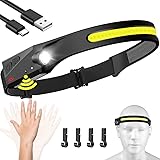
Headlamp Rechargeable, 230° Wide Beam Head Lamp LED with Motion Sensor for Adults – Camping Accessories Gear, Waterproof Head Light Flashlight for Hiking, Running, Repairing, Fishing, Cycling
$13.99 (as of October 31, 2026 22:03 GMT +00:00 – More infoProduct prices and availability are accurate as of the date/time indicated and are subject to change. Any price and availability information displayed on [relevant Amazon Site(s), as applicable] at the time of purchase will apply to the purchase of this product.)
Owala Marvel Spider-Man FreeSip Stainless Steel Water Bottle 32 oz
$34.24 (as of October 31, 2026 22:03 GMT +00:00 – More infoProduct prices and availability are accurate as of the date/time indicated and are subject to change. Any price and availability information displayed on [relevant Amazon Site(s), as applicable] at the time of purchase will apply to the purchase of this product.)
CoreMuse Camping Water Container 2.1 Gallon Collapsible Water Jug with Spout – Reusable Plastic Flasks, Foldable Empty Gallon Jug for Water Storage, Water Bag for Outdoor Hiking Emergency Prep -1 Pack
$8.68 (as of October 31, 2026 22:03 GMT +00:00 – More infoProduct prices and availability are accurate as of the date/time indicated and are subject to change. Any price and availability information displayed on [relevant Amazon Site(s), as applicable] at the time of purchase will apply to the purchase of this product.)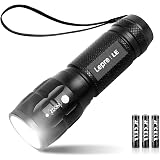
Lepro LED White Light Flashlight, High Lumens Waterproof Adjustable Focus | Small, lightweight. For outdoor, camping, emergency, tactical use. AAA batteries included. Adjustable zoom focus.
$9.99 (as of October 31, 2026 22:03 GMT +00:00 – More infoProduct prices and availability are accurate as of the date/time indicated and are subject to change. Any price and availability information displayed on [relevant Amazon Site(s), as applicable] at the time of purchase will apply to the purchase of this product.)

Leave a Reply