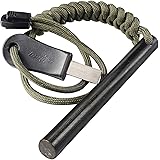
bayite 4″ Survival Ferro Rod Drilled Flint Fire Starter and Striker Kit | Ferrocerium Rod with Paracord Landyard Handle and Striker, 4″(Long) x 3/8″(Diameter)
$29.99 (as of October 31, 2026 22:03 GMT +00:00 – More infoProduct prices and availability are accurate as of the date/time indicated and are subject to change. Any price and availability information displayed on [relevant Amazon Site(s), as applicable] at the time of purchase will apply to the purchase of this product.)
400 Card Sleeves Hard Plastic, Arjiekwei 3″X 4″ Trading Card Holder, 35PT | Baseball Cards Protectors for Sports Football Game Cards (200 Hard Sleeves + 200 Soft Sleeves)
$19.99 (as of October 31, 2026 22:03 GMT +00:00 – More infoProduct prices and availability are accurate as of the date/time indicated and are subject to change. Any price and availability information displayed on [relevant Amazon Site(s), as applicable] at the time of purchase will apply to the purchase of this product.)
Walking Pad Treadmill for Home – Folding Treadmills with Handle Bar Portable Compact Fold up Indoor Foldable Handles Electric Walk Pads Small Spaces Quiet Running Under Bed Office
$89.99 (as of October 31, 2026 22:03 GMT +00:00 – More infoProduct prices and availability are accurate as of the date/time indicated and are subject to change. Any price and availability information displayed on [relevant Amazon Site(s), as applicable] at the time of purchase will apply to the purchase of this product.)
READYWISE Emergency Survival Food Supply Favorite Sample Bucket 120 Serving
(as of October 31, 2026 22:03 GMT +00:00 – More infoProduct prices and availability are accurate as of the date/time indicated and are subject to change. Any price and availability information displayed on [relevant Amazon Site(s), as applicable] at the time of purchase will apply to the purchase of this product.)
LifeStraw Personal Water Filter for Hiking, Travel and Emergency, Blue, 1PK | Water Filter for Hiking, Camping, Travel, and Emergency Preparedness, Removes Bacteria and Parasites
(as of October 31, 2026 22:03 GMT +00:00 – More infoProduct prices and availability are accurate as of the date/time indicated and are subject to change. Any price and availability information displayed on [relevant Amazon Site(s), as applicable] at the time of purchase will apply to the purchase of this product.)Alaska presents an array of unique environmental challenges that directly influence how you, as an urban prepper, approach self-sufficiency and preparedness. The extreme cold, limited daylight in winter months, and remote living conditions require adaptive strategies that differ from those in milder climates. Understanding these factors is crucial as you develop your urban prepping skills, ensuring that your plans are not only effective but also tailored to the demanding Alaskan landscape. By recognizing the nuances of your surroundings, you can enhance your preparedness and resilience in this remarkable region.
Key Takeaways:
- Urban preppers in Alaska must adapt their strategies to cope with extreme weather conditions, including long winters and sudden storms, which influence their resource management and preparedness planning.
- Access to food sources can be limited in urban settings; therefore, Alaskan preppers often prioritize sustainable living practices such as gardening, fishing, and hunting, even in metropolitan areas.
- Networking with local communities is key, as urban preppers benefit from sharing skills and resources with others who understand the unique challenges presented by the Alaskan environment.
- Preparation for urban preppers often includes specialized gear and supplies suited for cold climates, emphasizing the importance of insulation, waterproofing, and durability.
- The mental aspect of prepping in Alaska is significant, as residents must cultivate resilience and adaptability to address not only physical needs but also psychological wellbeing during extended isolation or emergencies.
The Unique Challenges of Urban Survival in Alaska
Living in an urban area in Alaska presents distinct survival challenges that require strategic planning and adaptability. From harsh climatic conditions to limited supplies, urban preppers must navigate a landscape where daily life intertwines with survival tactics. The essence of urban prepping in Alaska lies in recognizing and overcoming these adversities to ensure self-sufficiency in an unpredictable environment.
Extreme Weather Patterns and Their Impacts
Alaska’s extreme weather patterns can reshape your strategies for survival. Temperatures can plummet below zero, and heavy snowfall can isolate entire neighborhoods, making mobility difficult. These conditions necessitate sturdy shelter options and weatherproof gear necessary for not just comfort but defense against the elements. Being prepared for sudden weather changes can ultimately mean the difference between comfort and peril.
Limited Resources and Accessibility
Limited resources in Alaskan urban centers create hurdles for those seeking to build a substantial emergency supply. Access to grocery stores can be difficult during harsh winters, with delays causing panic and rescues. Having a sustainable stockpile, especially of non-perishable foods, water, and medical supplies, becomes necessary for your peace of mind. Special attention to localized farmers and niche suppliers can also improve your resource network and resilience against scarcity.
Many urban preppers in Alaska find that the cost of supplies can greatly exceed that of other regions due to transportation expenses influenced by geographical isolation. To counter this, consider forming and joining community groups focused on shared resources and barter systems. Local co-ops or community gardens can substantially improve your access to fresh produce in a limited resource environment, where regular grocery runs aren’t always viable. By building relationships with local farmers or participating in community initiatives, you can ensure a more reliable and diverse supply chain while fostering community ties for shared preparedness efforts.
Adapting Urban Prepping Strategies for Harsh Environments
Surviving in Alaska’s urban environments requires tailored prepping strategies that address intense cold and other unique challenges. With temperatures regularly dipping below zero and unpredictable weather patterns, your approach must emphasize adaptability. Implementing skills such as insulation techniques for your home, selecting weather-appropriate clothing, and understanding local wildlife behaviors become vital. Additionally, forging connections with local resources and community networks helps ensure that you’re not solely reliant on your own preparations during unexpected events.
Essential Gear for Urban Preppers in Alaska
Your survival gear list should include items specifically suited for Alaska’s harsh climate, featuring high-quality cold-weather clothing, robust shelter materials, and reliable outdoor cooking equipment. Waterproof boots, thermal blankets, and portable solar panels will enhance your resilience against prolonged power outages. A well-stocked first-aid kit, equipped to deal with common Alaskan ailments and injuries, is also fundamental. Don’t overlook important tools such as multi-tools or sturdy shovels for snow removal, as they enhance your preparedness on multiple fronts.
Innovative Solutions for Food Storage and Supply
You can maximize your food storage methods by using temperature-resistant containers and considering altitude-specific preservation techniques. Smart solutions include utilizing root cellars for storing perishables naturally while taking advantage of your urban space. Keeping an inventory of your supplies ensures you rotate food effectively, maximizing shelf life while minimizing waste.
Creative strategies such as vertical gardening and hydroponics can dramatically expand your food supply potential even in limited urban spaces. By utilizing sunlit areas or window sills, you can grow herbs and vegetables year-round. Additionally, learning about Alaska’s indigenous plants can offer new options for foraging, enriching your diet while saving resources. Joining community gardening projects or local farming initiatives also enhances food security, providing access to fresh produce and building connections with fellow preppers who share your goals.
Community Resilience: Building Networks and Resources
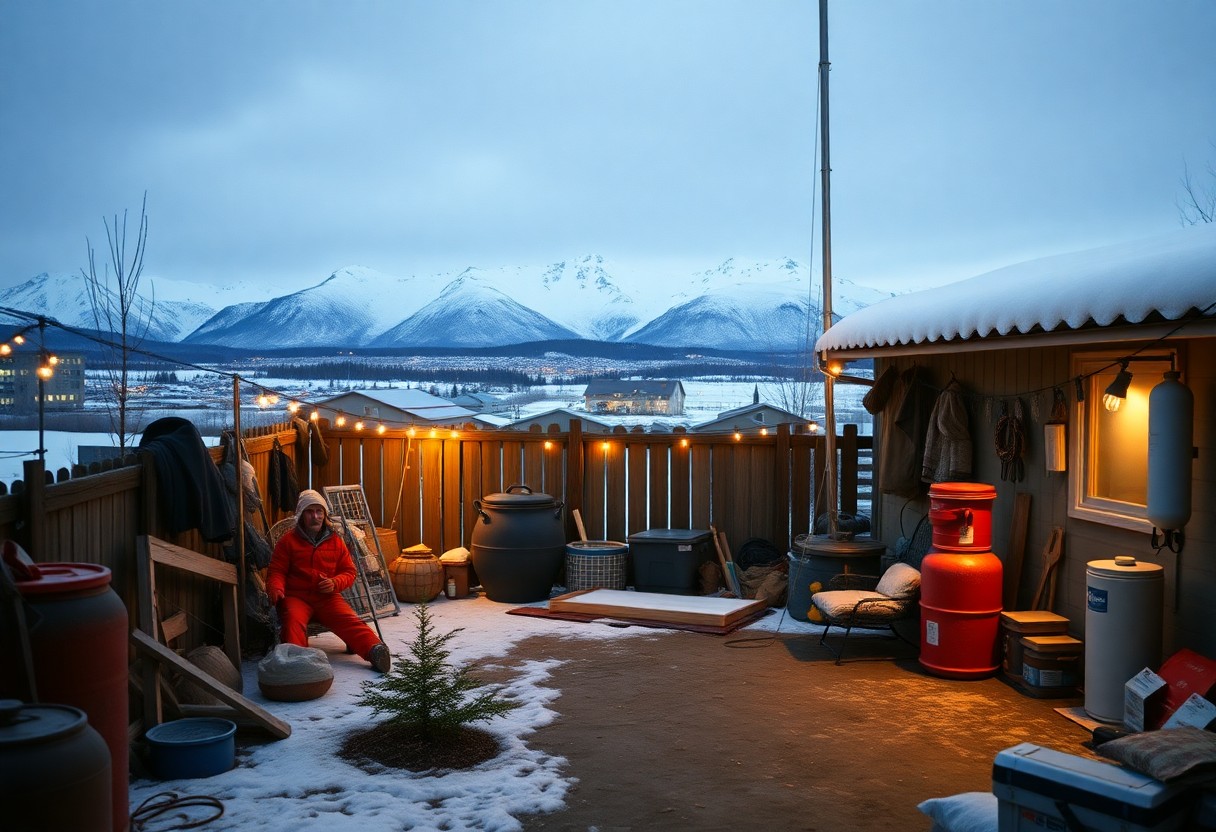
Building a robust community network is vital for urban preppers in Alaska. With the unique challenges presented by harsh winters and isolated living conditions, your ability to draw on local resources can greatly enhance your preparedness. Establishing and nurturing connections within your neighborhood creates a system of mutual support where skills, equipment, and information can be shared. This collaborative spirit not only strengthens individual readiness but also fosters a sense of security, knowing that you have a community to rely on in times of need.
The Importance of Local Connections
Strong local connections serve as a lifeline during emergencies, providing immediate access to resources and critical information. By engaging with neighbors and local organizations, you can create a reliable support system that thrives on shared experiences and knowledge. This interconnectedness can prove invaluable during crises, where resource pooling and collaboration can make a significant difference in ensuring everyone’s survival.
Collaboration and Skill Sharing Among Preppers
Collaboration among preppers amplifies the individual skills and resources each person brings to the table. By organizing regular meetups or workshops, you can share knowledge about food preservation, self-defense, or emergency first aid. Such gatherings not only foster camaraderie but allow each participant to leave with practical skills that can be lifesaving during tough times. Additionally, sharing specialized skills, such as hunting or medicinal foraging, enhances community resilience and ensures that everyone is better prepared to face potential crises together.
When you engage in skill-sharing sessions and collaborative efforts, you tap into the collective strengths of your community. For instance, a group of preppers in an Anchorage neighborhood might come together to learn about sustainable gardening practices adapted to Alaska’s climate, enabling them to produce food year-round. Similarly, exchanging knowledge about winter survival tactics can prove vital, especially when the unexpected becomes reality. You create a more self-sufficient urban environment by pooling resources and diversifying skills, effectively transforming your community into a resilient network capable of withstanding the unique challenges that Alaskan urban living presents.
Cultural Influences on Alaskan Prepping Practices
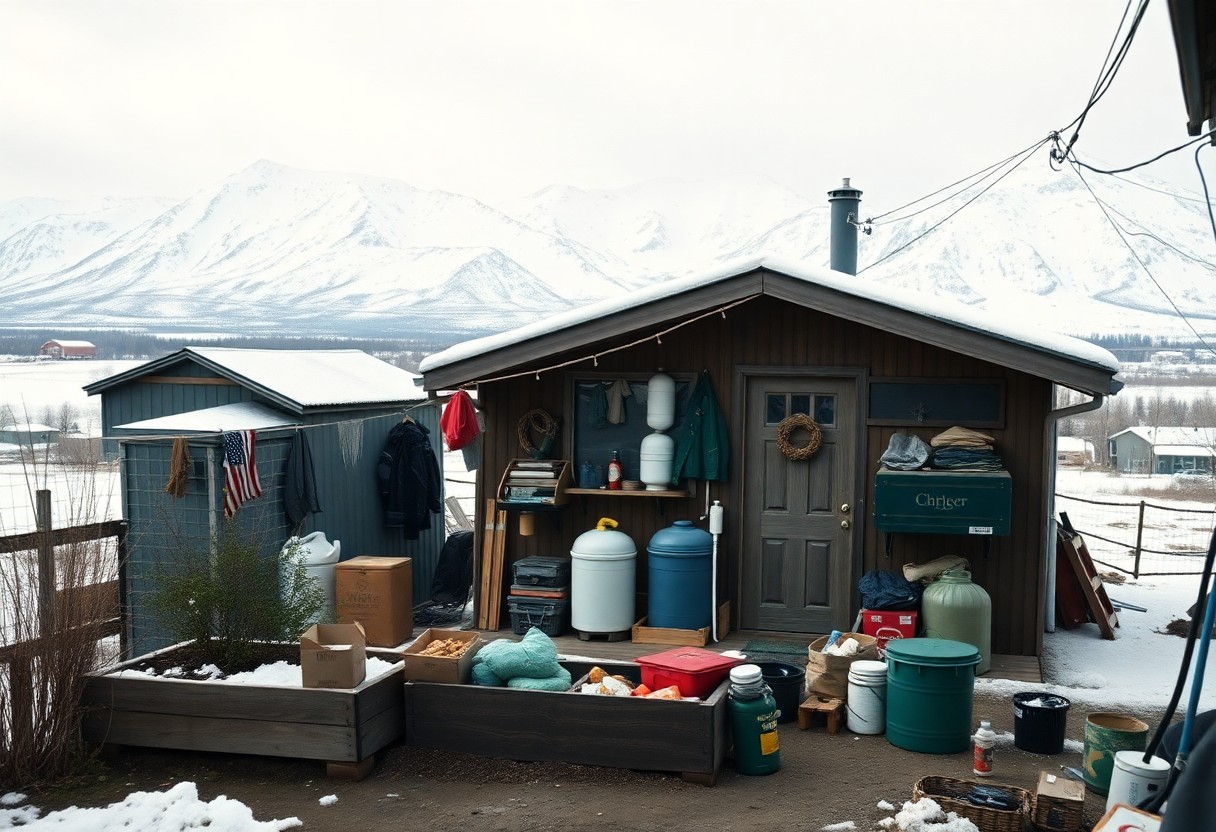
In Alaska, prepping isn’t just about stocking up supplies; it’s deeply interwoven with cultural influences that reflect the state’s rich history and diverse community. Your approaches to urban prepping can draw inspiration from the unique lifestyles, survival strategies, and communal bonds found in Alaskan culture. By understanding these influences, you can better adapt your practices to maintain resilience against the harsh conditions, making you more prepared for any challenge that may arise. Explore more about these influences in The Science Behind Survival Techniques on Alaskan Bush.
Indigenous Knowledge and Its Relevance Today
Indigenous knowledge, built over thousands of years, remains a cornerstone of effective prepping strategies in Alaska. You can learn from traditional practices that embrace the land and its resources, focusing on sustainable living and deep environmental awareness. This knowledge not only contributes to food security but also fosters a sense of connection to nature that modern urban living often lacks.
The Role of Tradition in Modern Survival Techniques
Traditional methods of survival continue to inform contemporary practices among urban preppers in Alaska. Techniques like fishing, foraging, and food preservation are integrated into your prepping routines, often passed down through generations. Utilizing these time-tested skills ensures that you not only honor the heritage of your surroundings but also enhance your ability to thrive in challenging scenarios. As you navigate modern conveniences, embracing these traditions can empower you with practical skills that are crucial in an emergency.
Continuing the dialogue about the importance of tradition in shaping modern survival techniques, consider how the art of canning homemade foods directly derives from ancestral practices. Many urban preppers cultivate vegetable gardens, drawing from the Indigenous tradition of harvesting local produce. This not only supports local biodiversity but also enhances food security. Moreover, community gatherings often include sharing knowledge, which reinforces social bonds while educating others on traditional skills, ensuring that these crucial methods remain relevant and accessible for future generations.
The Psychological Resilience Required for Successful Prepping
Your mental fortitude can significantly bolster your readiness in an urban Alaskan environment. Navigating through extreme weather, limited resources, or potential isolation demands a level of psychological resilience. Engaging in mindfulness practices or stress management techniques can enhance your ability to cope with unforeseen challenges. This resilience will not only help you prepare effectively but also to remain stable during crises, ensuring you can make informed decisions when it matters most.
Mental Preparedness: Overcoming Urban Isolation
Building a Positive Mindset for Crisis Situations
Conclusion
With this in mind, understanding the unique challenges posed by Alaskan conditions can significantly enhance your effectiveness as an urban prepper. Harsh weather, remote living, and limited resources require you to adopt a strategic approach to preparedness that emphasizes self-sufficiency and adaptability. By tailoring your plans to these specific environmental factors, you not only ensure your survival but also cultivate a lifestyle that embraces resilience and innovation in the face of adversity.
FAQ
Q: How do Alaskan weather conditions impact urban preppers?
A: Alaskan weather is often extreme, with long winters and significant snowfall. Urban preppers must adapt their strategies to account for these conditions. This involves choosing appropriate shelter, ensuring adequate heating sources, and stocking up on winter-specific supplies such as warm clothing, snow shovels, and suitable food storage that can withstand freezing temperatures. Additionally, transportation strategies may need to adapt to snow and ice, impacting how preppers gather resources and maintain supplies.
Q: What role does geographical isolation play in the prepping lifestyle in Alaska?
A: Alaska’s geographical isolation means that many urban areas may be far from important services and resources. This compels preppers to develop self-sufficiency skills such as food preservation, gardening, and hunting. Urban preppers often focus on stockpiling supplies since access to stores may be limited in emergencies, and they need to understand local resources to establish reliable food sources during tough times.
Q: How do urban preppers handle food storage in Alaskan conditions?
A: Food storage is a significant consideration for preppers in Alaska due to variables such as temperature fluctuations and potential power outages. Many urban preppers invest in insulated storage solutions or root cellars to keep perishables fresh. They also prioritize preserving food through canning, freezing, and dehydrating. Knowing how to store food properly allows preppers to build a resilient pantry capable of lasting through the long winters.
Q: What skills are important for urban preppers in Alaska?
A: Essential skills for urban preppers in Alaska include winter survival techniques, outdoor cooking, and first aid. Preppers often engage in training for emergency situations, which may include navigating in snowy conditions, learning to use snowshoes, or understanding how to signal for help. They also prioritize building a strong community network, fostering connections with neighbors to share resources and skills during emergencies.
Q: How does the urban environment influence the types of gear urban preppers carry?
A: The urban setting of Alaskan preppers shapes their gear choices significantly. Urban preppers typically focus on compact, multi-use tools that are appropriate for city living. They might choose urban-compatible survival kits that include items like portable water filters, compact cold-weather gear, and tools for both self-defense and utility. The proximity to urban amenities also allows for a mix of traditional survival preparation alongside modern conveniences, further influencing their gear selection.
Author

CoreMuse Camping Water Container 2.1 Gallon Collapsible Water Jug with Spout – Reusable Plastic Flasks, Foldable Empty Gallon Jug for Water Storage, Water Bag for Outdoor Hiking Emergency Prep -1 Pack
$8.68 (as of October 31, 2026 22:03 GMT +00:00 – More infoProduct prices and availability are accurate as of the date/time indicated and are subject to change. Any price and availability information displayed on [relevant Amazon Site(s), as applicable] at the time of purchase will apply to the purchase of this product.)
Fit Simplify Resistance Loop Exercise Bands with Instruction Guide and Carry Bag, Set of 5
$9.98 (as of October 31, 2026 22:03 GMT +00:00 – More infoProduct prices and availability are accurate as of the date/time indicated and are subject to change. Any price and availability information displayed on [relevant Amazon Site(s), as applicable] at the time of purchase will apply to the purchase of this product.)
LED Headlamp Rechargeable Flashlight | LED Headtorch, Rechargeable 230 Wide Angle Beam Headlight, 4 Light Modes Adjustable Waterproof Head Lamp with Motion Sensor
$35.99 (as of October 31, 2026 22:03 GMT +00:00 – More infoProduct prices and availability are accurate as of the date/time indicated and are subject to change. Any price and availability information displayed on [relevant Amazon Site(s), as applicable] at the time of purchase will apply to the purchase of this product.)
Google Fitbit Edge – Activity Tracker – Black/Obsidian – Small & Large Band | Advanced fitness tracker, health coach, sleep tracking, glanceable display, quick-charging battery, Android and iOS
$179.99 (as of October 31, 2026 22:03 GMT +00:00 – More infoProduct prices and availability are accurate as of the date/time indicated and are subject to change. Any price and availability information displayed on [relevant Amazon Site(s), as applicable] at the time of purchase will apply to the purchase of this product.)

Leave a Reply