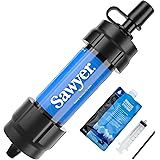
Sawyer Products SP128 Mini Water Filtration System, Single, Blue
$28.99 (as of October 31, 2026 22:03 GMT +00:00 – More infoProduct prices and availability are accurate as of the date/time indicated and are subject to change. Any price and availability information displayed on [relevant Amazon Site(s), as applicable] at the time of purchase will apply to the purchase of this product.)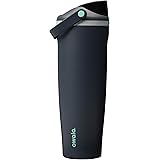
Owala FreeSip Sway Stainless Steel Water Bottle 40 oz Foggy Tide
$44.99 (as of October 31, 2026 22:03 GMT +00:00 – More infoProduct prices and availability are accurate as of the date/time indicated and are subject to change. Any price and availability information displayed on [relevant Amazon Site(s), as applicable] at the time of purchase will apply to the purchase of this product.)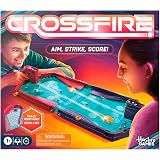
Hasbro Gaming Crossfire Game | Indoor Active Game for Kids and Teens | 2 Blasters, Marbles, Arena | Fun Family Board Games | 2 Players | 10 Mins. | Ages 7+
$19.97 (as of October 31, 2026 22:03 GMT +00:00 – More infoProduct prices and availability are accurate as of the date/time indicated and are subject to change. Any price and availability information displayed on [relevant Amazon Site(s), as applicable] at the time of purchase will apply to the purchase of this product.)
Amazon Basics Neoprene Dumbbell Hand Weights for Exercise and Muscle Toning
$26.85 (as of October 31, 2026 22:03 GMT +00:00 – More infoProduct prices and availability are accurate as of the date/time indicated and are subject to change. Any price and availability information displayed on [relevant Amazon Site(s), as applicable] at the time of purchase will apply to the purchase of this product.)
EA SPORTS FC 27 Standard Edition PlayStation5 |Physical Disc I VideoGame |English
$68.02 (as of October 31, 2026 22:03 GMT +00:00 – More infoProduct prices and availability are accurate as of the date/time indicated and are subject to change. Any price and availability information displayed on [relevant Amazon Site(s), as applicable] at the time of purchase will apply to the purchase of this product.)Most people may not realize that the sleek design of modern glass skyscrapers can turn into a liability during emergencies. You might find that their extensive glass facades pose serious risks, from shattered glass injuring occupants to limited escape routes that hinder evacuation efforts. Furthermore, the lack of sturdy building materials can exacerbate structural vulnerabilities in crisis situations, leaving you and others in peril. This post will explore the various dangers associated with these towering structures and why they may not be the safest choice when emergencies strike.
Key Takeaways:
- Glass facades can shatter, causing injuries from flying debris in emergencies.
- Evacuation routes may be hindered by large crowds, limited exits, and complex layouts.
- Firefighting access is often difficult due to the height and structure of skyscrapers.
- Smoke can become trapped, significantly reducing visibility and air quality during fires.
- Emergency response systems may be inadequate for the unique challenges posed by tall buildings.
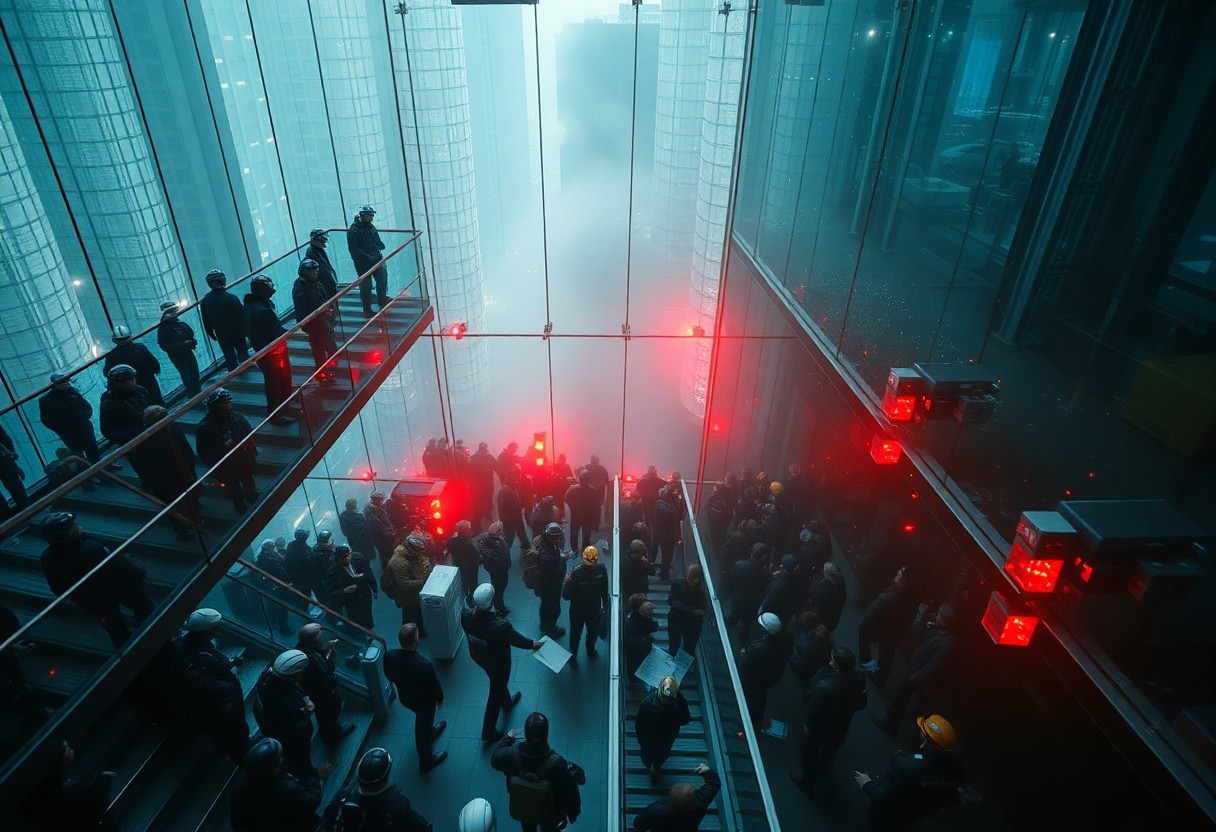
The Design Flaws of Glass Skyscrapers
Designing modern glass skyscrapers often prioritizes aesthetics over functionality, leading to significant shortcomings during emergencies. The reliance on glass and minimalistic structures sacrifices safety measures that are important for high-rise buildings. Features like redundant safety systems and fire-resistant materials are frequently overlooked, leaving occupants vulnerable when disasters strike.
Lack of Structural Resilience
Many glass skyscrapers lack adequate structural resilience, making them ill-equipped to withstand extreme weather events or seismic activity. The use of glass as a primary material compromises stability, particularly during high winds or earthquakes, putting your safety at risk if an emergency arises.
Limited Emergency Exits
Emergency exits in glass skyscrapers are often insufficient, contributing to the chaos during evacuations. With fewer exits than necessary, large numbers of people can become trapped, hindering swift escape routes. A building may have only two stairwells accessible, leaving you and others facing potentially deadly delays when quick evacuation is important. In high-occupancy buildings, multiple exit points are critical, yet many skyscrapers fail to provide the number needed, causing panic and confusion.
Fire Safety Concerns
Modern glass skyscrapers, while aesthetically pleasing, present serious fire safety issues that can exacerbate emergencies. The combination of lightweight materials and expansive glass facades often leads to rapid fire spread, making evacuation difficult. Fire-resistant measures can be inadequate or improperly implemented, putting occupants at significant risk during a blaze.
Combustibility of Materials
The use of highly combustible materials in modern skyscrapers raises alarm. Insulation, wall panels, and even the glass itself can ignite under extreme temperatures. For example, certain composite materials are known to catch fire easily, increasing the likelihood of a rapid spread, thereby putting lives in jeopardy.
Inefficient Evacuation Routes
In many skyscrapers, evacuation routes are poorly designed, creating bottlenecks that hinder escape during emergencies. Narrow stairwells and limited exits can trap occupants, making a swift evacuation nearly impossible. A study noted that, during a fire drill, 60% of participants in a typical tall building reported feeling anxious about getting out in time.
Many skyscrapers incorporate only a few stairwells, often located far from office areas. As a consequence, when an alarm sounds, congestion quickly builds in stairwells, and elevators become inoperable due to fire safety regulations. As you navigate a crowded stairwell, the lack of clear signage and communication can leave you disoriented and anxious while the clock ticks down. In an emergency, even small delays can be deadly, highlighting the urgent need for re-evaluating current evacuation strategies to ensure your safety.
Vulnerability to Natural Disasters
Modern glass skyscrapers, while visually stunning, often fall short in their resilience against natural disasters. Their sleek designs, featuring extensive use of glass and lightweight materials, can compromise structural integrity during severe weather events, making them highly vulnerable to both wind and seismic forces.
Wind Resistance Challenges
When extreme winds strike, glass skyscrapers can experience significant pressures that test their design limits. The aerodynamic profiles of these buildings are often optimized for aesthetics rather than functionality, leading to potential failure points where the glass cladding may shatter or detach, endangering occupants below.
Earthquake Response Limitations
Earthquake events expose the limitations of glass skyscrapers, particularly in urban areas with high seismic activity. The reliance on flexible yet lightweight frameworks can result in insufficient energy absorption, risking catastrophic structural failure during significant tremors.
In an earthquake scenario, conventional glass and steel constructions often rely on shear walls or bracing systems to distribute forces. However, many modern glass towers neglect these critical elements in favor of an open floor plan or a ‘ minimalist’ façade, leaving your safety in jeopardy. Buildings designed without consideration of local ground conditions or historical seismic data may lack proper anchoring, leading to an increased risk of collapse. The 2011 Tōhoku earthquake in Japan exemplified this vulnerability, as many buildings sustained significant damage despite their modern design, leading to urgent calls for re-evaluation of engineering standards in earthquake-prone areas.
Human Factors in Emergencies
When crises unfold, human behavior becomes unpredictable, particularly in environments that are unfamiliar or overwhelming. High-rise buildings, with their glass façades and complex layouts, can exacerbate this human element, leading to severe consequences during emergencies.
- Disorientation due to unfamiliar layouts
- Challenges in communication with emergency responders
- Difficulty in evacuating large numbers of people quickly
- impeded visibility and light reflections from glass
This creates a scenario where efficient evacuation becomes increasingly complicated.
Panic and Confusion Among Occupants
Panic can surge rapidly in high-stress environments like glass skyscrapers. As alarms sound and information disseminates through various channels, you may struggle to discern the best course of action. Compounded by the building’s sheer height and multiple exits, occupants can become confused about safe escape routes, leading to dangerous bottlenecks.
Impact of Modern Technology
While modern technology can assist in emergencies, it often presents new challenges in glass skyscrapers. Many buildings rely on advanced digital systems for alerts and communication, which can fail or become distorted under pressure. You might find that information is inconsistently shared, leading to misinformation and delays during critical moments.
The reliance on technology can hinder effective emergency responses. For instance, if the digital alarm system malfunctions or emergency lighting is insufficient, it can leave you disoriented and unsure of where to go. Additionally, the high volume of people utilizing smartphones can overwhelm communication networks, making it difficult to receive or disseminate vital information. Studies indicate that during emergencies, the absence of clear physical signage can further add to the chaos, showing that technological advancements, while beneficial, can also lead to confusion and frustration in dire situations.
Case Studies of Past Emergencies
Examining specific incidents reveals the vulnerabilities inherent in glass skyscrapers during emergencies. These case studies highlight the challenges faced by occupants and responders alike.
- 2001 World Trade Center Attacks: Over 16,000 people evacuated; 2,977 fatalities, illustrating risks of high-rise evacuations amid chaos.
- 2014 One World Trade Center Fire: Smoke spread rapidly through glass-facade, hampering 58 first responders, showcasing inadequate fire management systems.
- 2017 Grenfell Tower Fire: 72 fatalities due to flammable cladding on glass façade; raised awareness of building materials in emergency responses.
- 2020 London Bridge Attack: Glass-walled buildings limited visibility for police; attackers used the surroundings to their advantage, complicating response efforts.
Notable Incidents in Glass Skyscrapers
Your awareness of notable incidents is imperative to understanding the potential hazards of glass skyscrapers. The Grenfell Tower fire serves as a stark example of how reflective surfaces can hinder evacuation and response efforts, while the tragic events of 9/11 exposed systemic flaws in emergency protocols within towering structures.
Lessons Learned
Lessons from these incidents are vital for improving safety in modern skyscrapers. You should consider how design flaws, such as glass façades and materials, impact emergency responses and occupant safety. Implementing stricter building codes and incorporating fire-resistant materials could significantly decrease the risks faced during emergencies.
Across these incidents, it becomes clear that proactive measures are imperative. Adequate training for first responders and enhanced building designs are necessary modifications. You must advocate for better evacuation plans, ensuring they cater to the unique challenges posed by glass skyscrapers. Holistic approaches that involve all stakeholders can transform how these buildings respond to emergencies, ultimately saving lives and minimizing casualties.
Recommendations for Safer Design
Incorporating safer design elements is crucial for enhancing the resilience of glass skyscrapers during emergencies. Features like fire-resistant materials, better access for emergency responders, and clearly marked evacuation routes can mitigate risks. Additionally, integrating smart technology for emergency alerts and real-time monitoring can help occupants navigate crises more effectively, ensuring a safer environment for everyone inside.
Architectural Innovations
Architectural innovations can significantly improve safety in glass skyscrapers. For instance, using self-shading glass and energy-efficient facades not only enhances sustainability but can also reduce the risk of overheating during emergencies. Modular building designs that allow for more accessible stairwells and wider pathways can further facilitate quick evacuations, making these structures inherently safer.
Policy Changes for Building Codes
Updating building codes is vital to reflect the realities of modern emergencies. Your local regulations should mandate enhanced structural integrity, better fire safety measures, and improved egress designs specifically for high-rise glass buildings. Implementing stricter guidelines on the use of glass facades and requiring redundancy in evacuation systems can drastically reduce the potential for disaster.
In many regions, existing building codes were established decades ago and may not account for current challenges faced by high-rise structures. Leveraging advancements in materials science and emergency response techniques will allow for stronger, more resilient skyscraper designs. Furthermore, advocating for retrofitting older buildings to meet these new standards can be instrumental in preventing potential tragedies. Collaboration between architects, engineers, and policymakers is critical in reshaping codes to prioritize human safety over aesthetics.
To wrap up
With this in mind, you should be aware that modern glass skyscrapers pose significant risks during emergencies due to their design and materials. The transparent facades can obstruct visibility in critical situations, while the use of glass presents challenges for fire safety and evacuation. In high-rise settings, crowded stairwells can complicate your escape, and the potential for smoke and debris can exacerbate the dangers. As urban environments continue to evolve, considering these factors is necessary for your safety and preparedness in such towering structures.
FAQ
Q: Why do glass skyscrapers pose heightened risks during fires?
A: Glass skyscrapers can trap heat and smoke, making evacuation difficult. The exterior glass can shatter and create falling hazards, while the design often complicates access for first responders.
Q: How does the design of modern glass skyscrapers affect evacuation?
A: These buildings often have limited stairwells, which can become overcrowded or blocked. The use of elevators can be dangerous during emergencies, causing delays in evacuation.
Q: What structural features make glass skyscrapers vulnerable during earthquakes?
A: Glass façades may not withstand shifting structures during seismic events. Furthermore, the steel framework can experience failure, leading to increased risk of collapse and injury.
Q: How does the height of modern glass skyscrapers impact emergency response?
A: High-rise buildings require specialized equipment for rescue operations that may not be immediately available. This can delay response times and hinder effective evacuation.
Q: What challenges do glass façades create in severe weather emergencies?
A: In high winds or storms, glass can shatter, causing flying debris. Additionally, the slick surfaces may impede safe access, making it difficult for both occupants and emergency personnel to navigate the area.
Author

HotHands Hand Warmers Bulk Pack, 40 Pairs – America’s Favorite Warmer
$25.60 (as of October 31, 2026 22:03 GMT +00:00 – More infoProduct prices and availability are accurate as of the date/time indicated and are subject to change. Any price and availability information displayed on [relevant Amazon Site(s), as applicable] at the time of purchase will apply to the purchase of this product.)
2 in 1 Electric Hand Warmers Rechargeable Quick Heating Portable Reusable | Magnetic Turtle Shell Shape LED Display with Colorful Ambient Light, 3 Heat Levels Settings(113°F/131°F/140°F)
$9.99 (as of October 31, 2026 22:03 GMT +00:00 – More infoProduct prices and availability are accurate as of the date/time indicated and are subject to change. Any price and availability information displayed on [relevant Amazon Site(s), as applicable] at the time of purchase will apply to the purchase of this product.)
Fbee Rechargeable Hand Warmers 2 Pack with Keychain, Gift for Women | Pocket-Size Design Fits Gloves, Smart Temp Control, 3 Heat Levels, Up to 7H×2 Extended Warmth, Portable Reusable USB Heater
$19.99 (as of October 31, 2026 22:03 GMT +00:00 – More infoProduct prices and availability are accurate as of the date/time indicated and are subject to change. Any price and availability information displayed on [relevant Amazon Site(s), as applicable] at the time of purchase will apply to the purchase of this product.)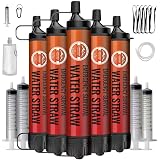
Lormandy Straw Water Filter 5 Pack – Outdoor Camping & Hiking Survival Gear | Family Use Ultra-Light Personal Filter Straws | Backpacking, Travel, Bug-Out Bags, Emergency Preparedness
$69.88 (as of October 31, 2026 22:03 GMT +00:00 – More infoProduct prices and availability are accurate as of the date/time indicated and are subject to change. Any price and availability information displayed on [relevant Amazon Site(s), as applicable] at the time of purchase will apply to the purchase of this product.)


Leave a Reply