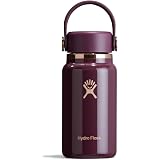
Hydro Flask Micro Bottle – Insulated Mini Leak Proof Flask for Purse or Pocket in 6.7 Oz Gloss Winterberry
$22.95 (as of October 31, 2026 22:03 GMT +00:00 – More infoProduct prices and availability are accurate as of the date/time indicated and are subject to change. Any price and availability information displayed on [relevant Amazon Site(s), as applicable] at the time of purchase will apply to the purchase of this product.)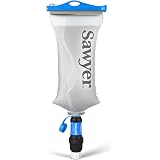
Sawyer Squeeze Water Filtration System, Cnoc Premium 2 Liter Bladder, Clear
$64.95 (as of October 31, 2026 22:03 GMT +00:00 – More infoProduct prices and availability are accurate as of the date/time indicated and are subject to change. Any price and availability information displayed on [relevant Amazon Site(s), as applicable] at the time of purchase will apply to the purchase of this product.)
Potable Aqua Water Purification Tablets With PA Plus – Two 50 count Bottles
(as of October 31, 2026 22:03 GMT +00:00 – More infoProduct prices and availability are accurate as of the date/time indicated and are subject to change. Any price and availability information displayed on [relevant Amazon Site(s), as applicable] at the time of purchase will apply to the purchase of this product.)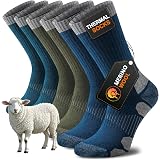
Niorasen Merino Wool Socks for Men & Women, Thermal Winter Crew Warm Socks | seamless toe and cushioned comfort, ideal for cold weather, work boots, hiking and holiday stocking stuffers, gift
$11.99 (as of October 31, 2026 22:03 GMT +00:00 – More infoProduct prices and availability are accurate as of the date/time indicated and are subject to change. Any price and availability information displayed on [relevant Amazon Site(s), as applicable] at the time of purchase will apply to the purchase of this product.)
Fbee Rechargeable Hand Warmers 2 Pack with Keychain, Gift for Women | Pocket-Size Design Fits Gloves, Smart Temp Control, 3 Heat Levels, Up to 7H×2 Extended Warmth, Portable Reusable USB Heater
$19.99 (as of October 31, 2026 22:03 GMT +00:00 – More infoProduct prices and availability are accurate as of the date/time indicated and are subject to change. Any price and availability information displayed on [relevant Amazon Site(s), as applicable] at the time of purchase will apply to the purchase of this product.)Many urban preppers face unique challenges when it comes to emergency power in 2025. Understanding your options for reliable energy sources can help you maintain vital functions during unexpected outages. This guide will explore effective power solutions tailored for city living, ensuring you are prepared to handle any situation. You’ll discover how to integrate portable generators, solar panels, and battery backup systems into your urban prepping strategy, enabling you to navigate power disruptions with confidence.

Key Takeaways:
- Reliance on renewable energy sources, such as solar and wind, will increase for urban preppers in 2025.
- Battery storage systems will be imperative for managing energy during outages and maintaining power supply.
- Portable generators will remain a popular backup option, particularly those powered by clean fuels.
- Smart home technology will play a significant role in optimizing and monitoring energy usage in emergencies.
- Urban preppers will focus on comprehensive emergency plans that include power solutions tailored to city living.
Understanding Emergency Power Needs
Identifying your emergency power needs is crucial for effective urban prepping. Begin by considering the types of situations that could disrupt your power supply, such as natural disasters or infrastructure failures. This understanding will help you determine how long you may need power, which devices are vital, and the best backup solutions to meet your needs during an emergency.
Assessing Urban Risks
Evaluate the specific risks associated with your urban environment. Factors such as climate-related threats, social unrest, and aging infrastructure can all impact power reliability. For instance, cities prone to hurricanes or flooding face unique challenges that can interrupt power supply for extended periods, making it imperative to consider localized vulnerabilities when planning your emergency power strategy.
Quantifying Power Requirements
To establish your power needs, list all crucial devices you plan to use during an emergency. Include items such as refrigerators, medical equipment, and communication devices. Next, check the wattage specifications for each device to calculate total power consumption. This assessment ensures that you choose an appropriate generator or battery backup that can support your crucial energy requirements effectively.
For example, if you have a refrigerator (300 watts), a laptop (60 watts), and a few LED lights (10 watts each), your total requirement could reach approximately 400-600 watts. It’s wise to have a generator capable of providing 20-30% more power than calculated to accommodate additional devices or surges. Taking time to quantify your power needs delivers a solid foundation for selecting the right emergency power solutions tailored to your lifestyle and anticipated scenarios.

Renewable Energy Solutions
In 2025, integrating renewable energy solutions into your emergency power strategy will enhance sustainability and resilience. These technologies not only provide reliable energy but also reduce dependence on conventional power grids, making them crucial for urban preppers. By harnessing natural resources like sunlight and wind, you can ensure a consistent energy supply during emergencies, contributing to both your preparedness and environmental responsibility.
Solar Power Systems
Solar power systems are a prime solution for urban preppers, offering a way to harness sunlight for energy needs. You can opt for rooftop solar panels or portable solar generators to charge crucial devices. With advancements in solar technology, even small setups can significantly contribute to your energy independence, potentially generating up to 200 watts per panel on average, which can power lights and small appliances during outages.
Wind Energy Options
Wind energy options provide an effective way to complement your renewable energy setup, especially in urban environments with adequate wind exposure. Small-scale wind turbines can generate electricity that supplements your power supply, with models offering anywhere from 400 watts to 2 kW of power, ensuring flexibility and backup during grid failures.
Urban wind energy systems are increasingly designed to be compact and aesthetically suitable for residential areas. You can install vertical-axis wind turbines, which are quieter and suitable for lower wind speeds common in cities. Some models can even capture wind from various directions, maximizing energy capture throughout the day. By incorporating these systems alongside solar panels, you can create a diversified and resilient energy solution tailored to your urban environment.
Battery Storage Technologies
As urban preppers navigate the challenges of power shortages, battery storage technologies are rapidly evolving to meet your energy needs. Advanced systems now offer higher capacities, greater efficiency, and enhanced lifespan, making them more reliable than ever. You’ll find innovations such as lithium-ion and solid-state batteries leading the charge, ensuring you can store energy from renewable sources effectively and access it when grid power is unavailable.
Types of Batteries
When deciding on a battery for your energy backup, you’ll encounter various types, each with distinct advantages:
- Lithium-ion: High energy density and quick charging.
- Lead Acid: Affordable but heavier and shorter lifespan.
- Nickel-Cadmium: Long life, effective in extreme temperatures.
- Flow Batteries: Excellent for larger-scale energy storage.
- Sodium-ion: Emerging technology with promising cost-effectiveness.
Knowing the different battery types allows you to choose one that best suits your specific needs and budget.
| Battery Type | Key Features |
|---|---|
| Lithium-ion | Lightweight, efficient, and long-lasting. |
| Lead Acid | Low cost, reliable for short-term storage. |
| Nickel-Cadmium | Durable in extreme environments, longer life. |
| Flow Batteries | Scalable, suitable for larger energy demands. |
| Sodium-ion | Cost-effective and emerging in the market. |
Battery Sizing and Management
Proper battery sizing and management are imperative for optimizing your power storage system. You’ll need to estimate your energy needs accurately by analyzing your daily consumption and identifying peak usage times to determine the correct battery capacity. Additionally, integrating a reliable management system ensures your batteries are charged and discharged efficiently, prolonging their lifespan and performance.
Utilizing smart battery management systems can help monitor your batteries’ health, charge cycles, and overall performance. These systems can provide valuable insights, allowing you to adjust power usage proactively and efficiently. For example, if your system shows a consistent discharge rate, you may opt to scale up your storage capacity or adjust your consumption habits to ensure your energy needs are met reliably. Balancing battery sizing with management practices maximizes your power security and extends the life of your investment.
Backup Generators
When the power grid fails, backup generators become a vital asset for urban preppers. These devices provide crucial electricity for your home, ensuring that you can maintain comfort and security during outages. Investing in a reliable generator means having a steady power supply for refrigeration, lighting, and crucial appliances, making it an indispensable part of your emergency preparedness plan.
Types of Generators
Understanding the various types of generators available can help you choose the right one for your needs.
- Portable Generators
- Inverter Generators
- Standby Generators
- Solar Generators
- Hydro Generators
Recognizing the differences among these generator types will enable you to select the best option that aligns with your emergency power strategy.
| Generator Type | Key Features |
| Portable Generators | Versatile and easy to transport. |
| Inverter Generators | Quieter operation and cleaner power output. |
| Standby Generators | Automatically activates during power outages. |
| Solar Generators | Utilizes renewable energy for sustainability. |
| Hydro Generators | Harnesses flowing water, eco-friendly option. |
Fuel Considerations
Choosing the right fuel for your generator can significantly impact its efficiency and reliability. Common fuel options include gasoline, propane, and diesel, each with their own advantages and storage requirements. Assessing the availability and shelf life of these fuels in urban environments will guide your decision.
Gasoline, while widely available, has a limited shelf life of about three to six months, requiring regular rotation. Propane offers a longer storage life and is cleaner burning, but may require additional equipment for storage. Diesel generators provide excellent longevity and fuel efficiency, making them suitable for longer-term use. Evaluating your access to these fuels in urban settings can help you plan for outages more effectively, ensuring you are never left in the dark.
Alternative Energy Sources
Exploring alternative energy sources enhances your preparedness strategy, providing sustainable options to power your imperatives during emergencies. These solutions, including biofuels, hydroelectric options, and solar energy, offer resilience and independence from traditional power grids. As urban environments face increasing demands for energy, these alternatives become more practical for urban preppers seeking reliable backup power.
Biofuels
Biofuels serve as a viable alternative by converting organic materials like plant matter and waste into energy. You can utilize resources such as vegetable oil, animal fat, or even agricultural byproducts to produce biodiesel, which can power generators and vehicles alike. With appropriate equipment, you can craft your own fuel supply, enhancing your energy autonomy and contributing to sustainability.
Hydroelectric Options
Hydroelectric options tap into flowing water sources, converting kinetic energy into power. If you have access to a stream or river, you can implement micro-hydro systems designed to generate electricity efficiently. These setups require minimal space and can provide a continuous energy supply, imperative during prolonged outages.
Micro-hydro systems can produce anywhere from 5 to 100 kilowatts depending on flow rates and head, making them suitable for individual homes or small communities. You might consider installing a small turbine that channels water through a generator, ensuring that even during dry spells, consistent power can be harnessed. Engaging with local regulations on water usage is imperative, as regulations vary. With proper planning and installation, these systems can significantly reduce your reliance on conventional power sources.
Creating a Comprehensive Emergency Plan
Developing a comprehensive emergency plan is vital for urban preppers. This plan should outline your power needs, communication strategies, and resources you will rely on during an outage. Identify potential threats, such as natural disasters or power grid failures, and detail your responses. Ensuring every member of your household understands the plan will facilitate a coordinated approach during emergencies, helping you to stay organized and prepared when it matters most.
Integrating Power Solutions
Incorporating diverse power solutions into your emergency plan enhances your resilience. Evaluate options such as solar panels, generators, and battery backups. Each provides unique benefits that can complement one another during an outage. For instance, solar panels can charge batteries while a generator can supply immediate power, allowing you to maintain vital operations. Prioritizing integration maximizes your system’s reliability and efficiency.
Maintenance and Testing
Regular maintenance and testing of your emergency power systems is vital to ensure they perform when needed most. Schedule routine checks of batteries, generators, and solar setups. This includes cleaning connections, checking fluid levels, and running tests under load to identify potential issues. Keeping an organized log of maintenance activities can help remind you of upcoming tasks and track the lifespan of your equipment.
Set specific intervals for maintenance tasks—monthly checks for portable generators, quarterly inspections for stationary systems, and annual evaluations for solar panels. You might invest in a load tester for batteries to gauge their performance and be aware of their capacity over time. Having a checklist ensures that no detail is missed, enhancing your confidence in your power solutions during unexpected situations. Additionally, consider using software that tracks when you last performed maintenance, which can simplify the scheduling process significantly.
Conclusion
As a reminder, effective emergency power solutions are vital for you as an urban prepper in 2025. You must consider options that cater to both portability and sustainability, ensuring that you remain prepared for unexpected events. By investing in solar generators, battery banks, and backup systems, you can secure your energy needs during emergencies. Prioritizing these solutions will empower you to maintain your safety and comfort, making a significant difference in challenging situations.
FAQ
Q: What types of emergency power solutions are available for urban preppers in 2025?
A: Urban preppers can consider solar generators, portable battery packs, rechargeable power stations, fuel-powered generators, and wind turbines as reliable emergency power solutions.
Q: How can I determine the right power capacity needed for my emergency solution?
A: Assess the total wattage of the devices you plan to power during an emergency. Sum the wattage and select a system that offers at least 20% more capacity to account for peak usage.
Q: What are the benefits of solar generators compared to fuel-powered generators?
A: Solar generators are quieter, generate no emissions, and often require less maintenance. They provide renewable energy, making them ideal for sustained use in urban settings.
Q: How can I effectively store emergency power solutions in an urban environment?
A: Use compact storage options, like shelving or closets, and consider keeping equipment in water-resistant containers. Proper organization ensures easy access during emergencies.
Q: What should I consider when choosing a location for my generators and power stations?
A: Ensure your generators are placed in well-ventilated areas away from living spaces. For solar panels, install them in sunlit areas with minimal obstruction for optimal energy capture.
Author

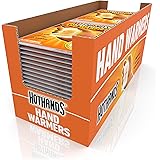
HotHands Hand Warmers Bulk Pack, 40 Pairs – America’s Favorite Warmer
$25.60 (as of October 31, 2026 22:03 GMT +00:00 – More infoProduct prices and availability are accurate as of the date/time indicated and are subject to change. Any price and availability information displayed on [relevant Amazon Site(s), as applicable] at the time of purchase will apply to the purchase of this product.)
Gaiam Thick Yoga Mat, Exercise & Fitness Mat with Easy-Cinch Carrying Strap | Non-Slip NBR Foam | Joint Cushioning | Yoga, Pilates, Fitness & Floor Workouts | 72″L x 24″W
$23.02 (as of October 31, 2026 22:03 GMT +00:00 – More infoProduct prices and availability are accurate as of the date/time indicated and are subject to change. Any price and availability information displayed on [relevant Amazon Site(s), as applicable] at the time of purchase will apply to the purchase of this product.)
Niorasen Merino Wool Socks for Men & Women, Thermal Winter Crew Warm Socks | seamless toe and cushioned comfort, ideal for cold weather, work boots, hiking and holiday stocking stuffers, gift
$11.99 (as of October 31, 2026 22:03 GMT +00:00 – More infoProduct prices and availability are accurate as of the date/time indicated and are subject to change. Any price and availability information displayed on [relevant Amazon Site(s), as applicable] at the time of purchase will apply to the purchase of this product.)
Bearwind Electric Hand Warmers Rechargeable 2 Pack,Floral Art Design Magnetic Hand Warmers,0.1S Safe&Fast Heating Cute Portable Mini Hand Warmers,Gifts for Women Her Mom,Christmas Stocking Stuffers
$14.99 (as of October 31, 2026 22:03 GMT +00:00 – More infoProduct prices and availability are accurate as of the date/time indicated and are subject to change. Any price and availability information displayed on [relevant Amazon Site(s), as applicable] at the time of purchase will apply to the purchase of this product.)



Leave a Reply