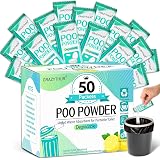
CRAZYTHUR Poo Powder for Portable Toilet Gel Powder, Camping Toilet Gel | Pee Powder, Eco Toilet Gel for 650ml Urine/10g, Toilet Gel Powder for Outdoor Camping and Hiking
$16.99 (as of October 31, 2026 22:03 GMT +00:00 – More infoProduct prices and availability are accurate as of the date/time indicated and are subject to change. Any price and availability information displayed on [relevant Amazon Site(s), as applicable] at the time of purchase will apply to the purchase of this product.)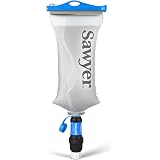
Sawyer Squeeze Water Filtration System, Cnoc Premium 2 Liter Bladder, Clear
$64.95 (as of October 31, 2026 22:03 GMT +00:00 – More infoProduct prices and availability are accurate as of the date/time indicated and are subject to change. Any price and availability information displayed on [relevant Amazon Site(s), as applicable] at the time of purchase will apply to the purchase of this product.)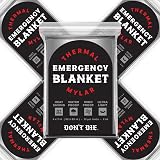
DON’T DIE Emergency Blanket – 5 Pack – Thermal Mylar Foil Space Blankets | Ultralight Waterproof Essential Survival Gear Supplies For Hiking Camping Tactical First Aid Go Bag Earthquake Disaster Kits
$8.75 (as of October 31, 2026 22:03 GMT +00:00 – More infoProduct prices and availability are accurate as of the date/time indicated and are subject to change. Any price and availability information displayed on [relevant Amazon Site(s), as applicable] at the time of purchase will apply to the purchase of this product.)
HydroJug Sport 32 oz Insulated Stainless Steel Water Bottle, Mocha Tortoise | Ceramic-lined, triple wall vacuum insulated, circular flip straw, leak-resistant, swivel handle, BPA-free, hand wash only
$39.99 (as of October 31, 2026 22:03 GMT +00:00 – More infoProduct prices and availability are accurate as of the date/time indicated and are subject to change. Any price and availability information displayed on [relevant Amazon Site(s), as applicable] at the time of purchase will apply to the purchase of this product.)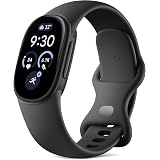
Google Fitbit Edge – Activity Tracker – Black/Obsidian – Small & Large Band | Advanced fitness tracker, health coach, sleep tracking, glanceable display, quick-charging battery, Android and iOS
$179.99 (as of October 31, 2026 22:03 GMT +00:00 – More infoProduct prices and availability are accurate as of the date/time indicated and are subject to change. Any price and availability information displayed on [relevant Amazon Site(s), as applicable] at the time of purchase will apply to the purchase of this product.)Urban environments vary significantly, impacting how you prepare for emergencies. Your survival gear must reflect not only potential threats unique to your city but also available resources and local climate conditions. From natural disasters to urban unrest, understanding the nuances of your surroundings helps ensure your preparedness is tailored effectively. Explore how the survival needs of urban preppers differ across major U.S. cities, allowing you to create a more strategic and relevant preparedness plan.
Key Takeaways:
- Survival gear selection is influenced by climate, with warmer cities prioritizing lightweight, breathable materials and colder regions requiring insulated gear.
- Urban population density affects gear size; in crowded cities, compact and multifunctional items are favored for ease of transport.
- Access to water and food sources varies by location, leading urban preppers to focus on portable filtration systems and compact food supplies in areas with limited access.
- Local risks such as natural disasters or civil unrest shape the necessity for specific tools and equipment, prompting urban preppers to tailor their kits accordingly.
- Networking and community resources play a significant role, with urban preppers often prioritizing gear that enhances collaboration, such as communication devices and shared resources.

Urban Survival Challenges
In densely populated areas, urban survival challenges can emerge quickly, amplified by limited resources and high competition for goods. You need to be prepared for scenarios like power outages, civil unrest, or sudden evacuations. The architecture and infrastructure of cities often create bottlenecks, complicating escape routes and access to crucials. Additionally, the presence of numerous individuals may lead to panic and anxiety, escalating an emergency situation.
Unique Threats in Major Cities
Your urban environment presents specific threats that differ from rural areas. In cities like New York, high-rise fires pose a significant risk, while in Los Angeles, earthquakes can rapidly disrupt crucial services. Consider crime rates, transportation breakdowns, and even airborne contaminants in densely packed areas, all of which can drastically impact your survival strategy.
Assessing Local Resources
Being aware of the resources available in your city is vital. You should identify local hospitals, food banks, and community centers that can provide relief during emergencies. It’s just as important to understand your city’s emergency plans and how they can work to your advantage.
Evaluating local resources requires knowledge of both governmental and community assets within your area. For instance, if you live in Chicago, familiarize yourself with the city’s emergency management system, and locate nearby shelters and distribution points. Make a list of crucial services, such as water purification locations and food supply chains, ensuring you have multiple options should one resource become compromised. Networking with local prepper communities can also provide insights into lesser-known but crucial resources unique to your city. With this information, you can create a robust survival plan tailored to your urban landscape.
Essential Gear Considerations
Your urban survival gear must align with the unique challenges of your environment. Factors such as climate, population density, and available resources shape what you need. In regions prone to natural disasters, items for shelter and first aid may take precedence, while in densely populated areas, tools for food procurement or self-defense might be more important. Assess your surroundings to build a tailored kit focused on your specific urban experience.
Space and Portability
When navigating an urban landscape, limited space is a significant consideration. You need gear that is compact and easily transportable. Multi-functional tools, such as a tactical flashlight that also serves as a self-defense weapon, can save space in your pack. Prioritize lightweight materials that don’t compromise on durability, ensuring you can carry your importants without feeling encumbered.
Versatility of Tools
In an urban prepping context, tools that serve multiple purposes are invaluable. A good survival knife should not only cut but also function as a screwdriver or a pry bar. Additionally, consider portable solar chargers or water filtration systems that can handle different tasks. These versatile tools maximize functionality while minimizing bulk, allowing you to adapt quickly to varying situations and challenges you may encounter in the city.
City-Specific Gear Recommendations
New York City
In NYC, your focus should be on lightweight, portable gear that fits into the fast-paced lifestyle. A sturdy backpack is important, along with compact emergency supplies like multi-tools, water purification tablets, and quick-energy snacks. Consider portable cell phone chargers for maintaining communication, and always have a map since GPS might fail during emergencies.
Los Angeles
Your Los Angeles survival kit should prioritize heat resistance and wildfire preparedness. A quality water filtration system is vital due to potential disruptions in water supply. Lightweight, breathable clothing and a portable solar charger will help you stay comfortable and powered in the warm climate.
Chicago
In Chicago, prepare for winter emergencies with insulated clothing and reliable heating options like pocket warmers. A quality multi-tool and a first aid kit are important, as you may face sudden weather changes and urban challenges. Don’t overlook urban navigation tools, especially during heavy snow or storms.
Miami
In Miami, ensure your gear includes hurricane preparedness items. Waterproof bags for electronics and important documents are highly recommended, alongside sturdy flashlights and a portable weather radio to stay informed about storms. Since humidity is a factor, opt for breathable apparel and moisture-wicking gear.
Miami
When focusing on Miami’s unique risks, a portable power bank can be beneficial, especially during prolonged outages following storms. Storm shutters or window coverings should also be included in your prep supplies, alongside a local disaster response guide. Given the likelihood of tropical storms, consider acquiring a reliable collection of emergency food supplies that can last several days.
Community Preparedness
Effective community preparedness hinges on collaboration and shared resources. Urban preppers should prioritize forming connections with their neighbors to establish support systems and emergency plans tailored to local needs. Incorporating regular drills and discussions can boost collective resilience, enabling the community to respond effectively to local threats such as natural disasters or civil unrest.
Building Local Networks
Creating local networks is vital for urban preppers. You can start by organizing regular meetups with like-minded individuals in your area, perhaps through community centers or social media platforms. These networks foster communication and allow for the exchange of skills, resources, and information, enhancing overall preparedness.
Engaging with Local Authorities
Active engagement with local authorities is crucial for urban preppers. You should familiarize yourself with your city’s emergency response plans and participate in community meetings to stay informed about local hazards. Building a rapport with first responders can also lead to tailored advice on best practices for your specific urban environment.
Engaging with local authorities not only keeps you informed but establishes trust. By attending town hall meetings or neighborhood planning sessions, you gain insights into emergency services and resource allocation. Proactively sharing your insights as a prepper can help shape policies that enhance community resilience. Moreover, exploring partnerships with local policing or fire departments can aid in coordinated efforts during crises, ensuring that your community is better prepared to face emergencies together.
Training and Skill Development
Skill development is important for urban preppers, as it equips you to effectively utilize your gear and respond to emergencies. Familiarizing yourself with the specific challenges of your urban environment will help you make informed decisions during a crisis. Continuing education in survival skills can significantly increase your resilience and confidence in navigating unpredictable situations.
Essential Skills for Urban Preppers
Urban preppers should focus on important skills such as first aid, navigation, communication, and self-defense. Mastery of these abilities not only enhances your personal safety but also allows you to assist others in need. Understanding urban foraging and resource identification can also be beneficial in optimizing available supplies.
Recommended Training Resources
Utilize a variety of resources, such as local community workshops, online courses, and survival manuals, to build your skills. Organizations like the American Red Cross offer valuable first aid and CPR classes, while websites like the Wilderness Survival Skills Training provide online tutorials for a broad range of techniques.
Consider participating in hands-on workshops where you can practice your skills in realistic scenarios. Local survival groups often hold meet-ups that cover everything from urban gardening to self-defense tactics. Additionally, platforms like Skillshare or Udemy have comprehensive courses on various survival skills, allowing you to learn at your own pace. Emphasizing interaction with experienced instructors can enhance your learning experience, ensuring that the education you receive is practical and applicable to urban settings.

Government and Emergency Services
Urban preppers must be well-versed in the role of government and emergency services during crises. Understanding how local authorities operate can be the difference between survival and chaos. Each city has specific protocols in place, including evacuation routes and emergency service contacts, which should be integral to your preparation strategy.
Understanding Local Emergency Protocols
Every city outlines its emergency protocols, which can differ significantly from one location to another. Familiarizing yourself with local plans will help you identify evacuation routes, resource centers, and communication channels during disasters. For example, a city prone to hurricanes may have a distinct set of guidelines compared to one that faces wildfires.
Collaborating with Emergency Services
Your interaction with local emergency services can enhance your preparedness. Establishing a connection with these agencies can provide insight into their capabilities and how you can support their efforts. Whether engaging in community drills or volunteering during emergencies, collaboration reinforces both individual and community resilience.
By working alongside emergency services, you gain invaluable knowledge about their operations and can offer assistance during crises. Many cities conduct community outreach programs designed to inform citizens about disaster readiness and encourage active participation. Engaging in these initiatives not only strengthens your personal preparedness but also fosters a network of support, ensuring a more coordinated response to any emergency situation. Your awareness and involvement can significantly impact the collective resilience of your community. For example, knowing how to contact the local fire department or participating in neighborhood watch programs can bolster your security and preparedness during emergencies.
Summing up
From above, it’s evident that urban prepping demands you to tailor your survival gear based on the unique challenges of your city. Factors such as population density, natural disaster risks, and infrastructure can influence your choices significantly. For example, urban areas may require more compact and multi-purpose tools due to limited storage space. Additionally, understanding local resources, threats, and community networks helps you design a more effective prep strategy, ensuring you’re well-equipped to handle emergencies specific to your environment.
FAQ
Q: How does climate affect survival gear choices in major U.S. cities?
A: Climate significantly influences the type of survival gear urban preppers choose. In cities like New Orleans, gear for humidity resistance and flood protection is vital, while in metropolitan areas like Minneapolis, cold-weather supplies such as thermal clothing and snow gear are necessary. Each city’s climate dictates specific preparation needs.
Q: What types of food storage solutions are preferred in urban settings?
A: Urban areas often have space limitations, prompting preppers to select efficient food storage solutions. Compact options like Mylar bags, vacuum-sealed containers, and freeze-dried meals are popular due to their space-saving attributes and long shelf life, making them suitable for city living.
Q: How does population density influence self-defense gear selections?
A: High population density areas may lead urban preppers to prioritize discreet self-defense tools. Items such as pepper spray, small personal alarms, and compact tactical pens can be more appealing in crowded settings where carrying larger weapons could raise concerns and attract attention.
Q: Are there specific communications tools preferred by urban preppers?
A: Urban preppers tend to favor communication tools that are reliable in crowded environments. Two-way radios, satellite phones, and portable chargers are necessary for maintaining contact during emergencies when traditional networks may fail due to heavy usage or damage.
Q: What is the role of mobility in urban prepping gear?
A: Mobility is necessary for urban preppers, as navigating crowded streets and limited escape routes requires lightweight, portable gear. Backpacks that can accommodate survival necessarys like water purification systems, compact first aid kits, and multi-tools are preferred to ensure readiness without being cumbersome.
Author

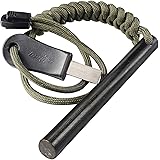
bayite 4″ Survival Ferro Rod Drilled Flint Fire Starter and Striker Kit | Ferrocerium Rod with Paracord Landyard Handle and Striker, 4″(Long) x 3/8″(Diameter)
$29.99 (as of October 31, 2026 22:03 GMT +00:00 – More infoProduct prices and availability are accurate as of the date/time indicated and are subject to change. Any price and availability information displayed on [relevant Amazon Site(s), as applicable] at the time of purchase will apply to the purchase of this product.)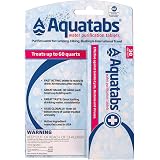
Aquatabs 49mg Water Purification Tablets (30 Pack). Water Filtration System for Hiking, Backpacking, Camping, Emergencies, Survival, and Home-Use. Easy to Use Water Treatment and Disinfection.
(as of October 31, 2026 22:03 GMT +00:00 – More infoProduct prices and availability are accurate as of the date/time indicated and are subject to change. Any price and availability information displayed on [relevant Amazon Site(s), as applicable] at the time of purchase will apply to the purchase of this product.)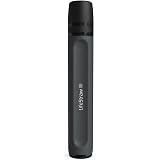
LifeStraw Peak Series – Personal Water Filter Straw for Backup Filtration, Emergency, Survival, and Ultralight Hydration, BPA-Free, Dark Mountain Gray
(as of October 31, 2026 22:03 GMT +00:00 – More infoProduct prices and availability are accurate as of the date/time indicated and are subject to change. Any price and availability information displayed on [relevant Amazon Site(s), as applicable] at the time of purchase will apply to the purchase of this product.)
EA SPORTS FC 27 Standard Edition PlayStation5 |Physical Disc I VideoGame |English
$68.02 (as of October 31, 2026 22:03 GMT +00:00 – More infoProduct prices and availability are accurate as of the date/time indicated and are subject to change. Any price and availability information displayed on [relevant Amazon Site(s), as applicable] at the time of purchase will apply to the purchase of this product.)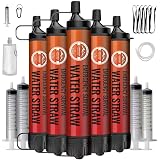

Leave a Reply