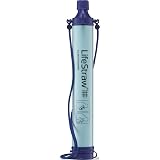
LifeStraw Personal Water Filter for Hiking, Travel and Emergency, Blue, 1PK | Water Filter for Hiking, Camping, Travel, and Emergency Preparedness, Removes Bacteria and Parasites
$14.99 (as of September 16, 2026 17:45 GMT +00:00 – More infoProduct prices and availability are accurate as of the date/time indicated and are subject to change. Any price and availability information displayed on [relevant Amazon Site(s), as applicable] at the time of purchase will apply to the purchase of this product.)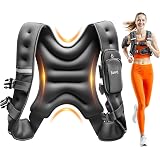
Renoj Weighted Vest for Women Men: Available in 6lb/8lb/10lb/11lb/12lb/14lb/16lb/20lb Fixed Weights for Walking, Running, Training, Exercise, Weight Loss – With Reflective Strips and Storage Pocket
$6.99 (as of September 16, 2026 17:45 GMT +00:00 – More infoProduct prices and availability are accurate as of the date/time indicated and are subject to change. Any price and availability information displayed on [relevant Amazon Site(s), as applicable] at the time of purchase will apply to the purchase of this product.)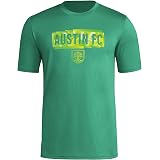
adidas Men’s Austin City FC Local Pop Short Sleeve Pre-game T-shirt, Kelly, X-Large
$28.60 (as of September 16, 2026 17:26 GMT +00:00 – More infoProduct prices and availability are accurate as of the date/time indicated and are subject to change. Any price and availability information displayed on [relevant Amazon Site(s), as applicable] at the time of purchase will apply to the purchase of this product.)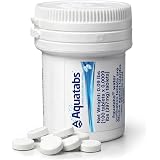
Aquatabs Water Purification Tablets, 397mg 100 Pack, Camping & Emergency | Water Filtration System for Boating, Marine, Survival Kit. Easy-to-use purifier treatment for safe drinking water
$34.99 (as of September 16, 2026 17:45 GMT +00:00 – More infoProduct prices and availability are accurate as of the date/time indicated and are subject to change. Any price and availability information displayed on [relevant Amazon Site(s), as applicable] at the time of purchase will apply to the purchase of this product.)
Paracord Planet 50 Foot Hanks of 550 Type III 7 Strand Paracord (Blue & Yellow 50 Feet)
$11.99 (as of September 16, 2026 17:26 GMT +00:00 – More infoProduct prices and availability are accurate as of the date/time indicated and are subject to change. Any price and availability information displayed on [relevant Amazon Site(s), as applicable] at the time of purchase will apply to the purchase of this product.)
Living in an urban environment has its own set of challenges, especially when it comes to emergency situations. Whether it’s a natural disaster, power outage, or civil unrest, being prepared can make all the difference in ensuring the safety and well-being of yourself and your loved ones. As an urban prepper or survivalist, you understand the importance of having a well-stocked Urban Emergency Kit. In this article, we will dive deep into what an Urban Emergency Kit should contain and provide valuable tips and suggestions for urban preppers looking to build their own comprehensive emergency kit.
Introduction to Urban Emergency Kits
Urban Emergency Kits, also known as Urban Survival Kits, are comprehensive sets of essential tools, gear, and supplies designed to help individuals navigate emergency situations in urban environments. While the contents of these kits may vary depending on personal needs and preferences, they typically include items that can assist with various urban survival scenarios.
Building Your Urban Emergency Kit
Assessing Your Needs
The first step in building an Urban Emergency Kit is assessing your specific needs. Consider your location, weather conditions, and potential risks in your area. For instance, if you live in an area prone to earthquakes, your kit should include items specific to earthquake preparedness.
Essential Items
Certain items are considered essential for any Urban Emergency Kit. These include:
-
Water: Plan for at least one gallon of water per person, per day, for a minimum of three days. In urban areas, access to clean water may be disrupted during emergencies, making it crucial to have an ample supply.
-
Food: The Urban Emergency Kit should include non-perishable food items that can sustain you and your family for at least three days. Choose items that are easy to prepare and require minimal water or cooking.
-
First Aid Kit: A well-stocked First Aid Kit is vital in emergencies. Include band-aids, adhesive tape, antiseptic wipes, pain medication, gloves, and any prescribed medication you or your family members may require.
-
Flashlight and Batteries: A reliable flashlight with extra batteries is essential, especially during power outages that can be common in urban areas.
-
Communication Devices: Include a portable radio or a hand-crank emergency radio to stay updated on emergency broadcasts and news.
-
Personal Hygiene Items: Pack toiletries like soap, toothpaste, toothbrushes, and baby wipes to maintain hygiene standards during extended periods without access to running water.
-
Emergency Cash: Keep a small amount of cash on hand as ATMs and credit card machines might not be functional during emergencies.
Additional Recommended Items
While the above items are the foundation of any Urban Emergency Kit, there are several additional tools and supplies that urban preppers may consider adding to their kits:
-
Multi-tool: A high-quality multi-tool can be invaluable in various situations, helping with tasks such as repair work or opening cans.
-
Emergency blankets: Compact emergency blankets provide insulation and help retain body heat in difficult weather conditions.
-
Duct Tape: This versatile item has numerous uses, from improvising temporary repairs to securing items together.
-
Sanitation Supplies: Include garbage bags, plastic ties, and disinfectant to maintain cleanliness, especially when access to regular sanitation services is unavailable.
-
Extra Clothing and Footwear: Pack a change of clothes and sturdy footwear suitable for walking long distances if necessary.
-
Whistle: A loud whistle can attract attention and alert others to your location in case of emergencies.
-
Copies of Important Documents: Make copies of essential documents such as identification cards, passports, insurance policies, and store them securely in your kit.
Storing Your Urban Emergency Kit
Proper storage of your Urban Emergency Kit is crucial to ensure its accessibility and longevity. Consider the following guidelines:
-
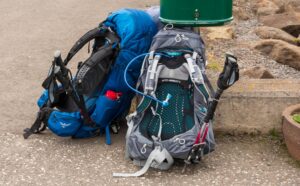
Choose a Container: Select a sturdy, waterproof container to hold your emergency supplies. Backpacks, duffel bags, or plastic storage containers with tight seals work well.
-
Accessible Location: Store your kit in an easily accessible location where it can be quickly grabbed during emergencies. Consider having a secondary kit in your vehicle if space allows.
-
Regular Inventory Checks: As your kit should be ready for use at all times, conduct regular inventory checks to ensure that items are not expired or damaged. Replace items as needed.
Education and Training
Possessing an Urban Emergency Kit is only the beginning. It is crucial to stay informed, gain knowledge, and develop relevant skills to effectively utilize the contents of your kit. Consider the following steps:
-
Emergency Preparedness Courses: Enroll in emergency preparedness courses offered by local authorities or organizations to learn valuable skills such as first aid, search and rescue techniques, and self-defense.
-
Practice Emergency Drills: Regularly conduct emergency drills with family members or roommates to ensure everyone knows the proper way to respond in various scenarios.
-
Stay Updated: Keep informed about potential risks and emergency protocols specific to your urban area. Follow local news channels and emergency management agencies on social media for real-time updates.
Conclusion
As urban preppers and survivalists, being adequately prepared for emergencies is paramount. By assembling a well-thought-out Urban Emergency Kit, you increase your chances of successfully navigating challenging situations in urban environments. Remember to periodically review and update your kit to ensure its contents remain applicable and effective. By embracing a proactive approach to urban emergency preparedness, you are equipping yourself with the tools necessary to safeguard yourself, your loved ones, and your community during uncertain times. Stay safe, stay prepared!
Sources:
– www.Ready.gov
– www.FEMA.gov
– www.RedCross.org
Author


OTS Men’s Rival Long Sleeve Tee
(as of September 16, 2026 17:45 GMT +00:00 – More infoProduct prices and availability are accurate as of the date/time indicated and are subject to change. Any price and availability information displayed on [relevant Amazon Site(s), as applicable] at the time of purchase will apply to the purchase of this product.)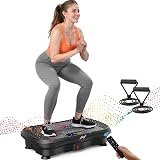
AXV Vibration Plate Exercise Machine Fitness Platform Body Vibrating Board | Curved Design 200W Powerful Oscillating 120 Level Shake Plate for Lymphatic Drainage Recovery Whole Body Toning With Handles
$72.19 (as of September 16, 2026 17:26 GMT +00:00 – More infoProduct prices and availability are accurate as of the date/time indicated and are subject to change. Any price and availability information displayed on [relevant Amazon Site(s), as applicable] at the time of purchase will apply to the purchase of this product.)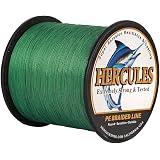
HERCULES Cost-Effective Super Strong 4 Strands Braided Fishing Line 6LB to 100LB Test for Salt-Water, 109/328 / 547/1094 Yards (100M / 300M / 500M / 1000M), Diam# 0.08MM – 0.55MM, Hi-Grade
$19.99 (as of September 16, 2026 17:26 GMT +00:00 – More infoProduct prices and availability are accurate as of the date/time indicated and are subject to change. Any price and availability information displayed on [relevant Amazon Site(s), as applicable] at the time of purchase will apply to the purchase of this product.)
Paracord Planet 50 Foot Hanks of 550 Type III 7 Strand Paracord (Blue & Yellow 50 Feet)
$11.99 (as of September 16, 2026 17:26 GMT +00:00 – More infoProduct prices and availability are accurate as of the date/time indicated and are subject to change. Any price and availability information displayed on [relevant Amazon Site(s), as applicable] at the time of purchase will apply to the purchase of this product.)