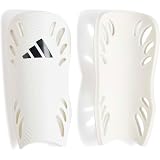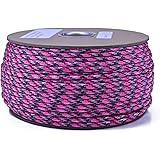
Bored Paracord – 1′, 10′, 25′, 50′, 100′ Hanks & 250′, 1000′ Spools of Parachute 550 Cord Type III 7 Strand Paracord Well Over 300 Colors – Pink Camo – 100 Feet
$11.59 (as of September 16, 2026 17:26 GMT +00:00 – More infoProduct prices and availability are accurate as of the date/time indicated and are subject to change. Any price and availability information displayed on [relevant Amazon Site(s), as applicable] at the time of purchase will apply to the purchase of this product.)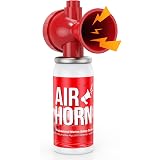
Nicehill Air Horn, 122dB Boat Horn for Safety & Emergency Signal 1 Pack Red | 1.4oz Loud Marine Air Horn With HFO-1234ze Gas Technology, Handheld Mini Air Horn for Boating, Camping & Sporting Events
$9.99 (as of September 16, 2026 17:45 GMT +00:00 – More infoProduct prices and availability are accurate as of the date/time indicated and are subject to change. Any price and availability information displayed on [relevant Amazon Site(s), as applicable] at the time of purchase will apply to the purchase of this product.)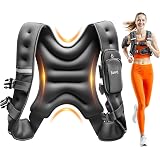
Renoj Weighted Vest for Women Men: Available in 6lb/8lb/10lb/11lb/12lb/14lb/16lb/20lb Fixed Weights for Walking, Running, Training, Exercise, Weight Loss – With Reflective Strips and Storage Pocket
$6.99 (as of September 16, 2026 17:45 GMT +00:00 – More infoProduct prices and availability are accurate as of the date/time indicated and are subject to change. Any price and availability information displayed on [relevant Amazon Site(s), as applicable] at the time of purchase will apply to the purchase of this product.)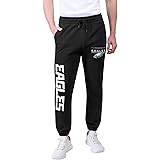
Ultra Game Men’s NFL Official Super Soft Game Day Jogger Sweatpants
$33.99 (as of September 16, 2026 17:45 GMT +00:00 – More infoProduct prices and availability are accurate as of the date/time indicated and are subject to change. Any price and availability information displayed on [relevant Amazon Site(s), as applicable] at the time of purchase will apply to the purchase of this product.)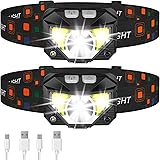
LHKNL Headlamp Flashlight, Lumen Bright Head Lamps LED Rechargeable Camping | Ultra-Light, with White Red Light, 2-Pack Waterproof Motion Sensor Headlight, 8 Modes for Outdoor Running Hiking Fishing
$19.99 (as of September 16, 2026 17:45 GMT +00:00 – More infoProduct prices and availability are accurate as of the date/time indicated and are subject to change. Any price and availability information displayed on [relevant Amazon Site(s), as applicable] at the time of purchase will apply to the purchase of this product.)Image credit: Unsplash
Did you know that urban beekeeping could be a game-changer for urban preppers and survivalists? As the world becomes more unpredictable, having a sustainable source of food and other necessities is crucial. Urban beekeeping, also known as backyard beekeeping, allows you to harness the power of bees to produce honey, pollinate your garden, and contribute to a thriving ecosystem — all within the confines of your urban space. In this article, we will explore the benefits of urban beekeeping and offer practical tips and suggestions for urban preppers looking to embark on this exciting venture.
Why Urban Beekeeping?
A Sweet Source of Nutrient-Rich Food
One of the primary benefits of urban beekeeping is the harvesting of honey. Honey is an excellent addition to any prepper’s pantry, thanks to its long shelf life and incredible nutritional properties. High in antioxidants, antibacterial properties, and essential vitamins and minerals, honey can act as a natural remedy for various ailments. When grocery store shelves empty out during emergencies, having your own supply of honey will prove invaluable.
Enhancing Urban Ecosystems
Urban areas often lack thriving green spaces and pollinators, making it challenging for fruit and vegetable gardens to flourish. Urban beekeeping can help address this issue by providing pollination services, leading to increased yields and better-quality produce. By fostering a healthy balance between bees, flowers, and crops, urban preppers can boost self-sufficiency and lessen their dependence on external food sources.
Contributing to Biodiversity and Conservation Efforts
Bees are essential for the sustainability of our ecosystem, and their population has been severely affected in recent years. By becoming an urban beekeeper, you contribute to the conservation and preservation of these vital pollinators. Urban environments, with their variety of plants and flowers, offer bees diverse nectar sources, which can help counteract the decline in bee populations.
Tips for Urban Preppers Getting Started with Urban Beekeeping
Urban beekeeping may sound complex, but with the right approach and knowledge, anyone can thrive in this fascinating hobby. Here are some tips to help you get started:
1. Study Local Beekeeping Regulations
Before setting up your beehive, familiarize yourself with the local regulations and guidelines. Some cities and towns have specific rules regarding the size, placement, and number of hives allowed. Additionally, you may need permits or licenses to keep bees legally. By following the regulations, you ensure a smooth journey in urban beekeeping and maintain healthy relationships with your neighbors and community.
2. Start Small with the Right Equipment
As a beginner, it is advisable to start with one or two beehives to avoid becoming overwhelmed. Invest in essential beekeeping equipment, such as beehive boxes, frames, protective clothing, and smokers. Consider seeking guidance from local beekeeping associations or experienced urban beekeepers to assist you in choosing the right equipment for your needs.
3. Choose the Right Location
Selecting the ideal location for your beehive is crucial. Look for a spot with plenty of sunlight and minimal wind exposure. Ensure the hive is elevated off the ground to prevent waterlogging and discourage predators. Additionally, consider placing your beehive away from heavily trafficked areas or fencing it off to prevent accidental disturbances.
4. Learn about Your Bees
Understanding the behavior, life cycle, and needs of your bees is essential for successful beekeeping. Different bee species have varying characteristics and requirements. Honey bees, such as the Italian or Carniolan bees, are popular options for urban beekeepers due to their gentle temperament and adaptability. Take the time to educate yourself about your bee species, their mating habits, and their specific environmental needs.
5. Provide a Water Source
Bees require a water source near their hive, especially during hotter months. Consider setting up a shallow water container with rocks or floating corks to provide a safe landing spot for bees. This reduces the risk of drowning and ensures your bees have access to the water they need for cooling the hive and diluting honey.
6. Plant Bee-Friendly Flora
Creating a vibrant and diverse foraging environment for your bees is essential. Plant a variety of flowers, trees, and shrubs that bloom at different times throughout the year, ensuring a continuous food source. Bee-friendly plants include lavender, sunflowers, rosemary, and fruit trees like apple and cherry. Consult with local garden centers or beekeeping associations to determine the best plants for your region.
7. Maintain Hive Health
Regular hive inspections are crucial for maintaining bee health and preventing diseases. Monitor for signs of pests, such as Varroa mites, and take appropriate action if infestations occur. Be aware of local pest management regulations and consider using organic and bee-friendly approaches whenever possible. You may also need to feed your bees during periods of nectar dearth or when establishing a new hive.
Conclusion
Urban beekeeping offers countless benefits for urban preppers, from providing a sustainable source of nutrient-rich food to enhancing urban ecosystems and contributing to conservation efforts. With proper planning and essential knowledge, you can successfully embark on an urban beekeeping journey and enjoy the rewards it brings. Remember to study local regulations, start small with the right equipment, and provide a suitable location and healthy environment for your bees. Join local beekeeping associations or online communities to network with experienced beekeepers and learn from their expertise. By incorporating urban beekeeping into your prepping routine, you not only secure your own self-sufficiency but also contribute to the preservation of bees and the environment. So, why not take the buzzworthy plunge into urban beekeeping? Your taste buds and your community will thank you.
Note: Urban beekeeping may not be legal or suitable for all locations. Always check with local authorities and consult experts before starting an urban beekeeping journey.
Author

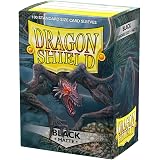
Dragon Shield | Standard Size Card Matte Sleeves | 100 CT – Smooth & Tough Premium TCG Sleeves | Compatible with Pokemon, Flesh & Blood, One Piece & Magic the Gathering | Black
$11.99 (as of September 16, 2026 17:45 GMT +00:00 – More infoProduct prices and availability are accurate as of the date/time indicated and are subject to change. Any price and availability information displayed on [relevant Amazon Site(s), as applicable] at the time of purchase will apply to the purchase of this product.)
Zubaz NFL Baltimore Ravens Men’s Long Sleeve Tee, Large, Gray
$49.99 (as of September 16, 2026 17:45 GMT +00:00 – More infoProduct prices and availability are accurate as of the date/time indicated and are subject to change. Any price and availability information displayed on [relevant Amazon Site(s), as applicable] at the time of purchase will apply to the purchase of this product.)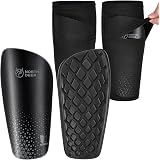
Northdeer Soccer Shin Guards for Kids Adults | Sleeves with Optimized Insert Pocket Protective Soccer for Boys Girls Men
$16.99 (as of September 16, 2026 17:45 GMT +00:00 – More infoProduct prices and availability are accurate as of the date/time indicated and are subject to change. Any price and availability information displayed on [relevant Amazon Site(s), as applicable] at the time of purchase will apply to the purchase of this product.)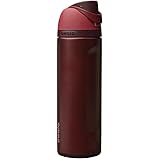
Owala FreeSip Stainless Steel Water Bottle 24 oz Black Cherry
$29.99 (as of September 16, 2026 17:45 GMT +00:00 – More infoProduct prices and availability are accurate as of the date/time indicated and are subject to change. Any price and availability information displayed on [relevant Amazon Site(s), as applicable] at the time of purchase will apply to the purchase of this product.)