Rainleaf Microfiber Towel Quick Dry Camping & Travel & Gym Towel. Compact | Super Absorbent, Lightweight, Fast Drying. Suitable for Beach, Bath, Backpacking, Hiking, Swim.
$12.99 (as of September 15, 2026 17:44 GMT +00:00 – More infoProduct prices and availability are accurate as of the date/time indicated and are subject to change. Any price and availability information displayed on [relevant Amazon Site(s), as applicable] at the time of purchase will apply to the purchase of this product.)
Ultra Game Men’s NFL Official Super Soft Quarter Zip Long Sleeve T-Shirt
$33.99 (as of September 15, 2026 17:44 GMT +00:00 – More infoProduct prices and availability are accurate as of the date/time indicated and are subject to change. Any price and availability information displayed on [relevant Amazon Site(s), as applicable] at the time of purchase will apply to the purchase of this product.)
Dragon Shield | Matte Dual Standard Size Card Sleeves | 100ct – Smooth & Tough Premium TCG Sleeves – Compatible with Pokemon, One Piece, and Magic: The Gathering | Black & Gold
$12.99 (as of September 15, 2026 17:44 GMT +00:00 – More infoProduct prices and availability are accurate as of the date/time indicated and are subject to change. Any price and availability information displayed on [relevant Amazon Site(s), as applicable] at the time of purchase will apply to the purchase of this product.)
KastKing Superpower Braided Fishing Line, Abrasion Resistant Braid Line | Zero Stretch, Strong Knot Strength, Smaller Diameter, Enhanced Sensitivity, Long Casting, Superior Strength
(as of September 15, 2026 17:21 GMT +00:00 – More infoProduct prices and availability are accurate as of the date/time indicated and are subject to change. Any price and availability information displayed on [relevant Amazon Site(s), as applicable] at the time of purchase will apply to the purchase of this product.)
Under Armour Men’s Charged Cotton Sport style T-Shirt
(as of September 15, 2026 17:44 GMT +00:00 – More infoProduct prices and availability are accurate as of the date/time indicated and are subject to change. Any price and availability information displayed on [relevant Amazon Site(s), as applicable] at the time of purchase will apply to the purchase of this product.)Pantry preparedness is a valuable skill that can help you weather various situations, from unexpected emergencies to everyday challenges. By living off your prepper pantry for 30 days, you empower yourself to optimize your food storage and enhance your self-sufficiency. This journey encourages you to creatively use your supplies while testing the limits of your inventory. In this post, you’ll discover practical tips, meal ideas, and insights that will enhance your understanding of how to effectively utilize your pantry resources over an extended period.
Key Takeaways:
- Living off a prepper pantry demonstrates self-sufficiency and resourcefulness.
- Meal planning is vital for maximizing pantry resources and minimizing waste.
- Diverse food storage options enhance nutrition and variety in meals.
- Experiencing unexpected challenges can improve problem-solving skills in food sourcing.
- Documenting the experience aids in evaluating inventory management and future preparedness.
Understanding the Prepper Pantry
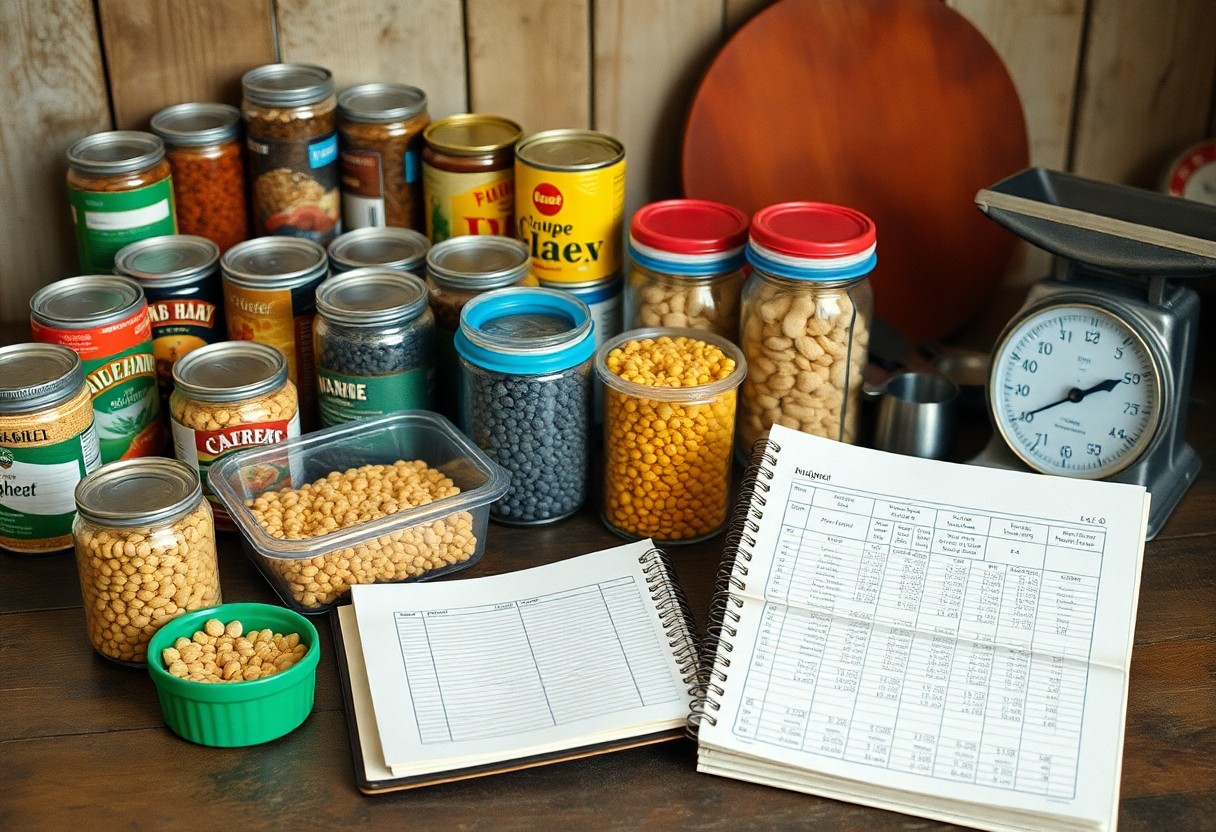
The prepper pantry serves as a foundational element for self-reliance and preparedness, allowing you to sustain yourself during emergencies or disruptions. It’s not just about stocking food; it’s about having a strategic approach to what you keep on hand, ensuring you can meet your nutritional needs while being resourceful and efficient.
Definition and Importance
A prepper pantry is a carefully curated collection of non-perishable foods and necessary supplies designed to support you during unforeseen circumstances. Importance lies in its ability to provide food security, reduce dependence on grocery stores, and ensure you have the necessary resources to navigate emergencies without relying on outside assistance.
Essential Items to Stockpile
Key items in a prepper pantry include grains, legumes, canned goods, dehydrated or freeze-dried foods, spices, oils, and basic cooking necessarys. Additionally, having a range of vitamins, water purification methods, and hygiene products is vital for comprehensive preparedness. A well-rounded pantry should cater to both immediate needs and long-term sustenance.
Focus on versatile staples like rice, beans, and pasta, which offer long shelf lives and various meal options. Canned vegetables and fruits provide necessary nutrients, while dehydrated foods like potatoes and carrots enhance meal diversity. Don’t overlook high-calorie items like peanut butter and cooking oils for energy. Incorporating spices can elevate meals, making them more enjoyable despite extended durations of eating from the pantry. A well-stocked prepper pantry truly balances nutrition, flavor, and longevity, ensuring you’re equipped for any challenge that arises.

Planning for 30 Days
Effective planning is crucial for navigating a full month relying on your prepper pantry. Begin by assessing available ingredients and formulating a strategy that optimizes your supply. Focusing on various meal types—breakfast, lunch, dinner, and snacks—ensures a balanced diet while minimizing boredom. Prioritize versatile ingredients that can be used in multiple recipes to enhance efficiency and creativity in the kitchen.
Meal Planning Strategies
Strategically mapping out your meals can drastically improve your pantry experience. Create a weekly menu with breakfast, lunch, and dinner to limit repetitive meals while incorporating diverse flavors. Aim for dishes that utilize your core staples, such as grains, legumes, and canned goods, mixing in seasonings or dehydrated vegetables for variety. This approach not only maintains interest but helps you efficiently allocate your supplies.
Inventory Management
Maintaining an updated pantry inventory streamlines meal preparations and reduces food waste. Regularly catalog your food items, noting expiration dates and quantities. This practice allows you to draw from older supplies first while replenishing as necessary. Consider using a spreadsheet or a mobile app for easy tracking and organization, ensuring that you always know what you have at your disposal.
To implement effective inventory management, begin by categorizing your pantry items—group similar products such as grains, proteins, and vegetables. Utilize clear containers or labels to make the contents easily identifiable. Periodically review your inventory, adjusting your meal plans based on what needs to be used up soon. This proactive monitoring helps prevent spoilage and keeps your culinary options diverse throughout the month.
Cooking with Limited Resources
Cooking with limited resources challenges you to maximize your creativity while minimizing waste. Essential pantry staples can transform into nourishing meals, requiring you to reassess traditional recipes and think outside the box. Focus on bulk items like rice, beans, and grains, paired with herbs and spices from your stockpile, allowing for varied flavors and textures. Experimenting with one-pot meals can simplify preparation and reduce cleanup, ensuring you make the most of your time and resources.
Creative Recipes
Developing creative recipes from your pantry staples can be a rewarding experience. Think of combinations that marry flavors and textures, like a hearty lentil soup with frozen vegetables or a savory rice pilaf spiced with curry powder and canned chickpeas. Pair grains with legumes for complete proteins, or whip up a simple vegetable stir-fry using whatever fresh or dried produce you have on hand. The key lies in making substitutions and embracing flexibility in your cooking.
Utilizing Leftovers
Leftovers can be a lifeline when living off your prepper pantry. Repurposing meals not only minimizes waste, but also saves time and effort in meal preparation. A roast turns into sandwiches, while stir-fried veggies can add life to a morning omelet. Getting inventive with your leftovers fosters resourcefulness, encouraging you to blend flavors and textures that might not meet in traditional recipes.
Utilizing leftovers effectively involves creativity in transforming what might seem like unwanted scraps into delicious new meals. For example, leftover roasted vegetables can be blended into a creamy soup or folded into a quesadilla with cheese. Pastas or grains can be reincarnated in salads or cold dishes, maximizing their usage while reducing food waste. This practice not only stretches your food supply but also encourages a more sustainable lifestyle that cherishes every ingredient.
Nutritional Considerations
Navigating nutrition while living off your prepper pantry requires strategic planning to ensure adequate intake of crucial nutrients. You need to consider ingredient diversity, portion sizes, and the nutritional profiles of your stored foods to maintain balanced health during this period. While it’s tempting to rely on familiar staples, expanding your menu to include a variety of grains, legumes, and canned vegetables can help meet your dietary needs and prevent deficiencies.
Balancing Macro and Micronutrients
Your meals should incorporate a balance of macronutrients—carbohydrates, proteins, and fats—along with vital micronutrients from vitamins and minerals. To achieve this balance, explore combinations such as rice and beans for a complete protein, supplemented with canned vegetables rich in vitamins A and C. Incorporating healthy fats from stored oils or seeds enhances flavor and aids in nutrient absorption.
Supplementing When Necessary
Depending on the contents of your pantry, some nutrients might be in short supply, making supplementation necessary. For example, if your stores lack fresh produce, a multivitamin can help bridge nutrient gaps. Specifically, vitamins D and B12, often low in non-fortified canned foods, should be considered. Regularly reviewing your diet for potential deficiencies can guide your supplementation choices.
Taking note of your overall health and energy levels is crucial. For instance, if you find yourself feeling fatigued or noticing changes in your skin or hair health, it could indicate the need for additional supplements. Certain micronutrients may require higher intake during periods of stress or physical activity. Monitoring specific indicators, such as iron levels or vitamin D status, can inform you about which supplements might be most beneficial in maintaining your nutritional balance while relying on pantry staples.
Budgeting and Cost Analysis
Understanding the financial implications of living off your prepper pantry allows for better long-term planning and resource allocation. You can accurately assess how much you save compared to regular grocery shopping, providing insights that can influence future budgeting for food supplies. By analyzing expenses during this month, you gain valuable data to set a more accurate and effective budget moving forward.
Calculating Savings
To calculate your savings, start by tracking your regular grocery expenses before the 30 days. Compare these figures to the costs of purchasing and consuming food solely from your prepper pantry. This analysis often reveals significant savings, with many families discovering reductions of 20-50% in food expenditures over this month.
Tips for Economical Purchasing
Adopting economical purchasing practices can amplify your savings significantly. Focus on bulk purchases, seek sales, and utilize coupons where available. Diversify your pantry with versatile items that can be used across multiple meals, thus maximizing utility. Prioritizing store brand products over name brands often leads to price reductions without compromising quality.
- Buy in bulk for non-perishables to minimize cost per unit.
- Attend local farmers’ markets for fresh and seasonal produce at lower prices.
- Utilize loyalty programs and rewards offered by grocery stores.
- Plan meals around sales to optimize shopping trips.
- Perceiving quality can save money over time, as these choices result in fewer waste.
Stocking your pantry with similar ingredients lends itself to creative meal prep. Choose foods that can adapt for various recipes, helping to prevent monotony and promoting a creative approach to cooking. Additionally, taking advantage of seasonal discounts available at local markets can yield fresh ingredients at lower prices. This practice not only improves your meals but also makes your pantry more adaptable.
- Seek out clearance items for significant savings.
- Freeze surplus produce to extend shelf life.
- Join a co-op for shared resources and lower prices.
- Opt for dried or canned foods when fresh produce prices surge.
- Perceiving the value of these strategies helps cut costs substantially.
Challenges Faced During the Month
Throughout the month, various challenges emerged as you navigated living off your prepper pantry. Managing food variety became an issue, leading to repetitive meals that tested your culinary ingenuity. Supplies dwindled unexpectedly, and you had to adjust your meal plan on the fly. Community insights, like those found in [Help me build a 30 day food supply/Bugging out and …](https://www.reddit.com/r/preppers/comments/1dse4kg/help_me_build_a_30_day_food_supplybugging_out_and/), provided valuable strategies to cope with these moments, emphasizing adaptability in preparation.
Adjusting to New Habits
Shifting to a prepper pantry lifestyle required significant adjustments to your daily routine. Plans for grocery shopping and quick meal fixes vanished, leaving you to cultivate habits around inventory management and efficient cooking techniques. Adapting to these changes improved your overall efficiency in the kitchen.
Overcoming Resource Limitations
Navigating the limitations of your prepper pantry was a constant endeavor. Scarcity meant you had to become inventive with your existing ingredients, transforming simple staples into varied meals. For example, dried beans used in multiple recipes forced you to explore flavor profiles and preparation methods you hadn’t considered before, enhancing your culinary skills.
Resource limitations challenged you to think creatively. Combining canned tomatoes with dried herbs and beans led to flavorful stews, while rice evolved through the addition of spices and vegetables. You quickly learned that embracing these constraints not only expanded your cooking repertoire but also fostered a deeper appreciation for each ingredient’s versatility. These experiences built resilience and resourcefulness, crucial traits in any lifestyle transition.
Summing up
Drawing together your experience of living off your prepper pantry for 30 days highlights the importance of self-sufficiency and resourcefulness in any situation. You have demonstrated that with careful planning, variety, and creativity, your pantry can sustain you nutritionally and economically. This challenge not only equips you with vital skills but also boosts confidence in your preparedness efforts. Embrace these habits to ensure that your pantry remains a reliable source for both everyday meals and emergencies.
FAQ
Q: What is “30 Days Living Off My Prepper Pantry”?
A: It is a challenge or lifestyle approach where individuals utilize food and supplies stored in their prepper pantry to sustain themselves for 30 days without relying on outside grocery stores.
Q: What types of foods should I stock in my prepper pantry?
A: Stock non-perishable items such as canned goods, dried grains, pasta, legumes, dehydrated fruits, and vegetables, as well as crucial spices and oils for variety in meals.
Q: How can I plan meals for 30 days using my prepper pantry?
A: Create a meal plan that maximizes your pantry inventory by rotating through different items. Use a mix of canned, dried, and freeze-dried foods to create balanced meals and avoid monotony.
Q: What if I run out of certain items during the 30 days?
A: Prioritize versatile staples in your pantry. If you run low on specific items, improvise with alternatives or adjust your meal plan to focus on what’s available.
Q: What benefits can I gain from living off my prepper pantry for 30 days?
A: Benefits include enhanced self-sufficiency, better budgeting skills, a deeper understanding of food storage and preservation, and reduced reliance on grocery stores during emergencies.
Author

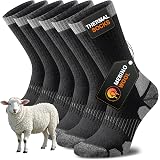
Niorasen Merino Wool Socks for Men & Women, Thermal Winter Crew Warm Socks | seamless toe and cushioned comfort, ideal for cold weather, work boots, hiking and holiday stocking stuffers, gift
$14.99 (as of September 15, 2026 17:44 GMT +00:00 – More infoProduct prices and availability are accurate as of the date/time indicated and are subject to change. Any price and availability information displayed on [relevant Amazon Site(s), as applicable] at the time of purchase will apply to the purchase of this product.)
Cool Coolers by Fit & Fresh Slim Ice Packs, Quick Freeze Reusable Ice Packs for Lunch Boxes & Coolers, Long-Lasting, Space Saving Lunch Ice Packs, Blue, 4Pk
$9.50 (as of September 15, 2026 17:44 GMT +00:00 – More infoProduct prices and availability are accurate as of the date/time indicated and are subject to change. Any price and availability information displayed on [relevant Amazon Site(s), as applicable] at the time of purchase will apply to the purchase of this product.)
Trading Card Binder 9 Pocket,Card Binder 900 Pockets,Card Book Holder Cards with 50 Removable Sleeves,3-Ring Zip Design MTG/TCG/Sport Collectible Trading Card Albums Gifts for Boys and Girls (Black)
$21.99 (as of September 15, 2026 17:44 GMT +00:00 – More infoProduct prices and availability are accurate as of the date/time indicated and are subject to change. Any price and availability information displayed on [relevant Amazon Site(s), as applicable] at the time of purchase will apply to the purchase of this product.)
Dragon Shield | Standard Size Card Matte Sleeves | 100 CT – Smooth & Tough Premium TCG Sleeves | Compatible with Pokemon, Flesh & Blood, One Piece & Magic the Gathering | Black
$11.99 (as of September 15, 2026 17:44 GMT +00:00 – More infoProduct prices and availability are accurate as of the date/time indicated and are subject to change. Any price and availability information displayed on [relevant Amazon Site(s), as applicable] at the time of purchase will apply to the purchase of this product.)



Leave a Reply