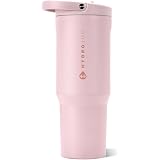
HydroJug Sport 32 oz Insulated Stainless Steel Water Bottle, Pink Sand | Triple wall insulated, circular flip straw, leak-resistant, swivel handle, removable rubber boot, BPA-free, dishwasher safe
$27.99 (as of September 15, 2026 17:44 GMT +00:00 – More infoProduct prices and availability are accurate as of the date/time indicated and are subject to change. Any price and availability information displayed on [relevant Amazon Site(s), as applicable] at the time of purchase will apply to the purchase of this product.)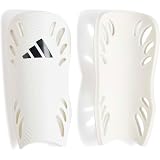
adidas Unisex Adiflex Soccer Shin Guards | Lightweight Soccer Shin Guards, Run Small
$11.02 (as of September 15, 2026 17:44 GMT +00:00 – More infoProduct prices and availability are accurate as of the date/time indicated and are subject to change. Any price and availability information displayed on [relevant Amazon Site(s), as applicable] at the time of purchase will apply to the purchase of this product.)
BAND-AID Brand Travel Ready Portable First Aid Kit, 80 Piece | Emergency Essentials for Minor Wound Care, Bandages, Neosporin & Tylenol, Perfect for Home, Car, Camping, Outdoors & Travel
$10.98 (as of September 15, 2026 17:44 GMT +00:00 – More infoProduct prices and availability are accurate as of the date/time indicated and are subject to change. Any price and availability information displayed on [relevant Amazon Site(s), as applicable] at the time of purchase will apply to the purchase of this product.)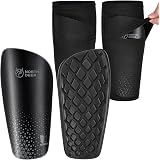
Northdeer Soccer Shin Guards for Kids Adults | Sleeves with Optimized Insert Pocket Protective Soccer for Boys Girls Men
$16.99 (as of September 15, 2026 17:44 GMT +00:00 – More infoProduct prices and availability are accurate as of the date/time indicated and are subject to change. Any price and availability information displayed on [relevant Amazon Site(s), as applicable] at the time of purchase will apply to the purchase of this product.)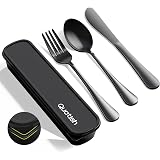
Quatish Travel Utensils with Case, Stainless Steel Cutlery Set, Black | Portable, Dishwasher Safe, Silverware Set, Reusable Camping Utensils, Fork and Spoon Set for Picnic, Camping, Work, Lunch Box
$5.99 (as of September 15, 2026 17:44 GMT +00:00 – More infoProduct prices and availability are accurate as of the date/time indicated and are subject to change. Any price and availability information displayed on [relevant Amazon Site(s), as applicable] at the time of purchase will apply to the purchase of this product.)Most people assume that prepping is all about gathering necessary items for survival, but not all prepper gear is safe or beneficial. In fact, some common items you may consider vital can pose significant risks to your health and safety. This article highlights five prepper items that could actually harm you, helping you to make informed decisions about what to include in your emergency supplies. Understanding these risks ensures that you prepare effectively and protect yourself and your family in crisis situations.
Key Takeaways:
- Some common prepper items may harbor hidden dangers or side effects when misused.
- Air filtration masks may lead to suffocation if not properly fitted or used in the right situations.
- Improper use of fire starters can cause uncontrolled fires or injuries.
- Storing food incorrectly can lead to spoilage and potential foodborne illnesses.
- Self-defense items, like pepper spray, can cause harm to the user or unintended targets if mishandled.
Water Filters
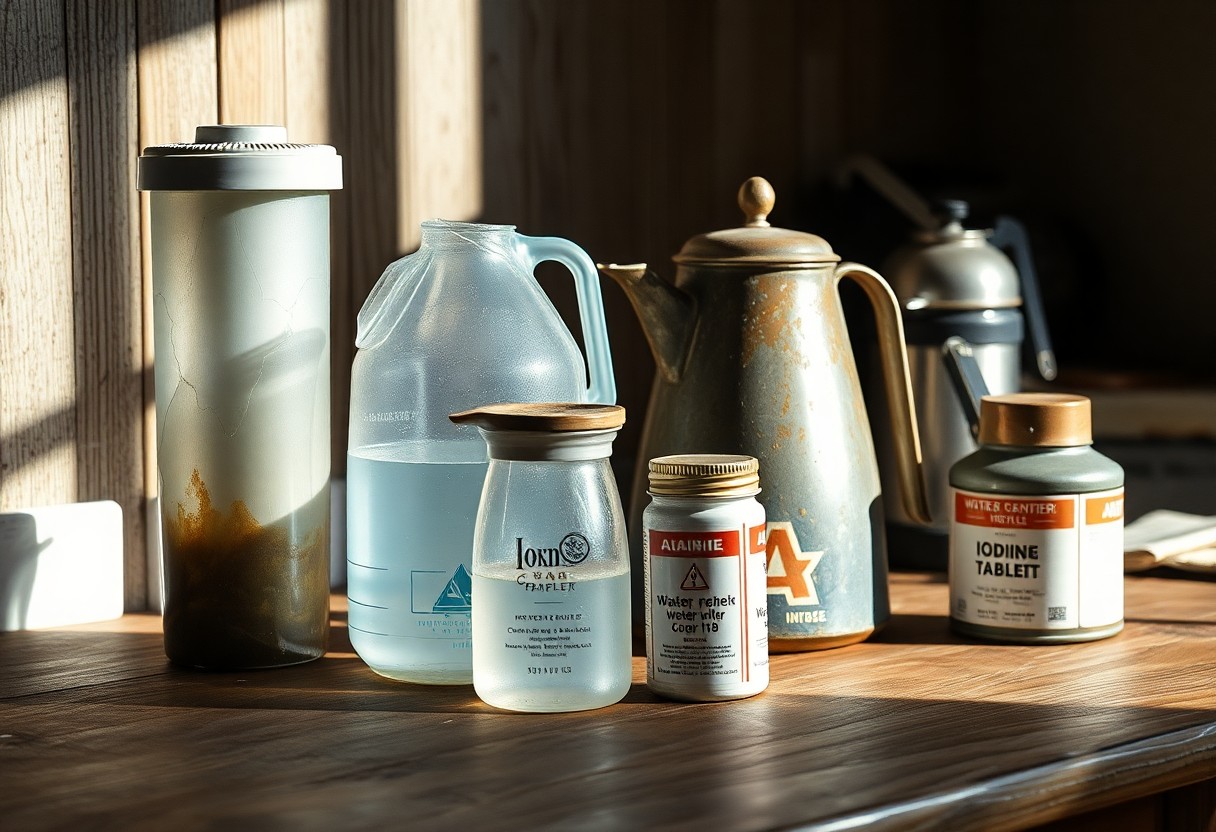
Water filters are often seen as a lifeline in emergency situations, yet their limitations can pose health risks. Many common filters only target specific contaminants, leaving behind harmful substances like heavy metals or pesticides. Understanding the filtration process and what your filter effectively removes is vital to ensure you don’t mistakenly consume unsafe water.
Potential Contaminants
Your water filter may trap bacteria and protozoa, but it could fail to remove viruses and some chemical pollutants, leading to potential illness. Pathogens like E. coli and Salmonella can slip through, while chemicals like arsenic or lead may require specialized filtration systems. Regular testing of your water source can help identify what your specific filter may miss.
Overreliance on Filtration
Relying solely on water filtration can create a false sense of security, leaving you vulnerable during emergencies. While filters can enhance water quality, they aren’t foolproof. Without proper maintenance, filters can become breeding grounds for bacteria themselves. Additionally, you must regularly replace filters according to manufacturer guidelines, as clogged or outdated filters may no longer function effectively.
Many users underestimate the importance of not just having a filter but also knowing how to maintain it. Failure to replace filter cartridges could result in reduced flow rates and potentially harmful bacteria growth. Always have backup purification methods, such as boiling water or chemical treatments, to ensure you have access to safe drinking water. By diversifying your water purification strategies, you enhance overall readiness and safeguard your health against unexpected threats.
Canned Foods
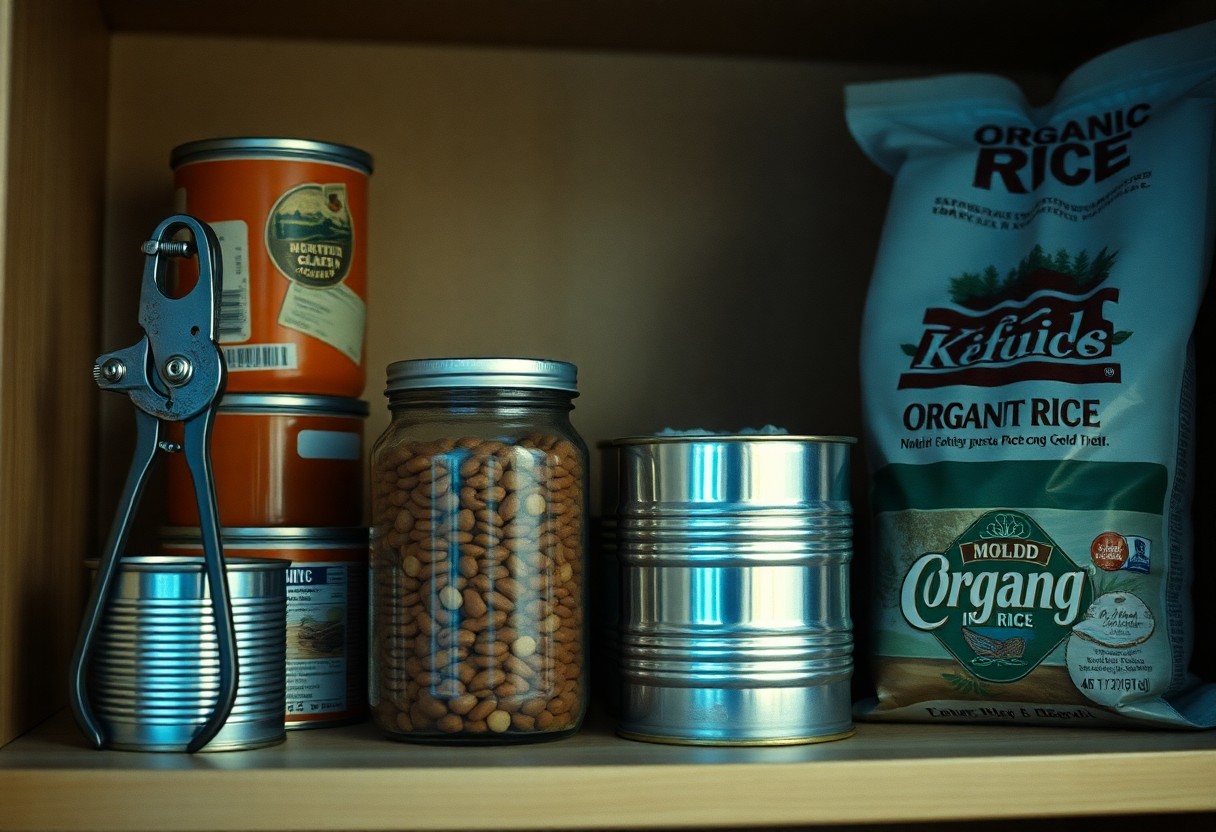
Canned foods can be a beneficial addition to your emergency supplies, but improper storage and nutritional concerns might lead to adverse effects. For tips on the ideal items to include in your supply list, check out this Top 100 Emergency Supplies to Stockpile for Survival.
Improper Storage Risks
Nutritional Concerns
Canned foods can often lose nutritional value over time, especially if stored improperly. While they typically retain their calories and macronutrients, vitamins such as C and B can degrade significantly. Opt for low-sodium varieties when possible, and consider rotating your stock every few years to ensure you’re consuming the freshest options available.
Firearms
While firearms can provide protection and peace of mind, they also carry risks that can endanger you and those around you. Mishandling or lack of proper training can lead to accidental discharges, which cause injuries or fatalities. Additionally, unregulated access to firearms can invite theft or misuse, further complicating your security situation. Understanding the responsibilities that come with owning firearms is vital to avoid these pitfalls.
Safety and Handling Issues
Inadequate training in firearm safety often leads to tragic accidents. From failure to secure weapons properly to not practicing safe handling techniques, these oversights can have dire consequences. Always prioritize safety measures, such as using trigger locks, keeping firearms unloaded when not in use, and attending proper training courses.
Legal Implications
Gun ownership laws vary significantly by region and can pose legal pitfalls if you aren’t informed. Owning a firearm without the proper permits can result in hefty fines or even imprisonment. Engaging in activities like transporting firearms across state lines without understanding the laws can lead to serious legal complications.
Many states have stringent regulations about firearm ownership, including background checks, registration requirements, and permissible types of firearms. Violating these laws not only leads to potential penalties but can also jeopardize your ability to legally possess firearms in the future. Navigating local laws is vital; even well-meaning actions can have unintended legal consequences without a clear understanding of the regulations in your area. Consulting legal experts or local law enforcement can help ensure compliance and reduce the risk of harmful outcomes.
First Aid Kits
First aid kits are imperative for addressing injuries and health issues, but without proper management, they can become more harmful than helpful. Stocking your kit with the wrong items, or failing to replace outdated supplies, can leave you unprepared when a medical situation arises.
Expired Supplies
Using expired supplies can lead to ineffective treatment, potentially worsening an injury or illness. Medications lose potency over time, and bandages may not adhere properly or could be contaminated. Regularly check expiration dates to ensure your first aid kit is always equipped with reliable items.
Lack of Training
A first aid kit without knowledge of how to use its contents can be a ticking time bomb. You might have everything from antiseptics to splints, yet without the skills to administer aid, these items can provide a false sense of security. Investing in first aid and CPR training increases your confidence and prepares you to handle various emergencies effectively.
Survival Guides
Survival guides often promise a roadmap to safety and security, yet many contain outdated information or misleading strategies that can lead you astray in critical situations. Relying solely on a single guide can impose a false sense of confidence, leaving you unprepared for unique challenges. Knowledge should be diverse and grounded in current, real-world scenarios to be truly effective.
Misinformation Risks
Many survival guides perpetuate misinformation that can jeopardize your safety. Outdated tactics, incorrect resource lists, and exaggerated threats lead to poor decision-making under pressure. You might find yourself relying on strategies that worked in past crises but are irrelevant today, potentially putting you at risk when it matters most.
Inflexibility in Emergency Situations
Strict adherence to a survival guide can create inflexibility at critical moments, hindering your ability to adapt to evolving threats. Emergency scenarios are unpredictable, often requiring quick thinking and improvisation. By sticking rigidly to a guide, you may overlook valuable opportunities or solutions right in front of you.
This inflexibility can be particularly dangerous during unpredictable disasters, where conditions change rapidly. For example, a flood may require you to abandon a predetermined escape route or method suggested in your guide. If you only focus on what the guide states, you could miss critical environmental cues or local advice that would better serve your needs in that moment. Flexibility and situational awareness are important, and a rigid mindset can severely limit your chances of survival.
To wrap up
To wrap up, while prepping is important for self-reliance, be mindful that some commonly used items can pose risks to you. Relying on expired food, using the wrong type of firearm, or bathing in poor-quality water can lead to unintended consequences. Additionally, overstocking supplies or neglecting maintenance can create vulnerabilities in your preparedness plan. Stay informed about the proper use and potential dangers of your gear to ensure it enhances your readiness rather than compromising your safety.
FAQ
Q: What are the risks associated with food storage containers?
A: Some food storage containers, particularly those made from certain plastics, can leach harmful chemicals into food when exposed to heat or acidic substances. Always choose BPA-free containers and check for proper food-grade safety standards.
Q: How can certain water purification methods be dangerous?
A: While water purification tablets are effective, excessive use can lead to chemical buildup in the body. Additionally, incorrect usage or reliance on ineffective methods can result in consuming contaminated water, causing illness.
Q: Why should I be cautious with multi-tools?
A: Multi-tools can malfunction or break under pressure, leading to injuries. Using multiple functions simultaneously can also increase the risk of accidents. It’s important to understand their limitations and use them safely.
Q: What are the dangers of certain first aid supplies?
A: Some first aid supplies, like expired medications or improperly stored items, can cause adverse reactions or be ineffective in emergencies. Regularly check expiration dates and ensure proper storage conditions.
Q: How can survival gear lead to harm?
A: Survival gear, such as portable stoves and fire starters, can present burn hazards if not used properly. Additionally, relying on inadequate or unfamiliar gear can lead to dangerous situations in emergencies.
Author

HERCULES Cost-Effective Super Cast 8 Strands Braided Fishing Line 10LB to 300LB Test for Salt-Water,109/328/547/1094 Yards(100M/300M/500M/1000M),Diam.#0.12MM-1.2MM,Hi-Grade Performance,Variety Colors
$24.99 (as of September 15, 2026 17:21 GMT +00:00 – More infoProduct prices and availability are accurate as of the date/time indicated and are subject to change. Any price and availability information displayed on [relevant Amazon Site(s), as applicable] at the time of purchase will apply to the purchase of this product.)
Owala Star Wars FreeSip Sway Stainless Steel Water Bottle 30oz Darth Vader
$39.99 (as of September 15, 2026 17:44 GMT +00:00 – More infoProduct prices and availability are accurate as of the date/time indicated and are subject to change. Any price and availability information displayed on [relevant Amazon Site(s), as applicable] at the time of purchase will apply to the purchase of this product.)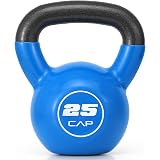
CAP Vinyl Coated Cast Iron Kettlebell, 10-50 LB Home Gym Weight
$39.99 (as of September 15, 2026 17:44 GMT +00:00 – More infoProduct prices and availability are accurate as of the date/time indicated and are subject to change. Any price and availability information displayed on [relevant Amazon Site(s), as applicable] at the time of purchase will apply to the purchase of this product.)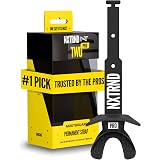
Nxtrnd Two Pro Football Mouth Guard, Permanent Strap, Fits Adult & Youth (Black)
$19.95 (as of September 15, 2026 17:44 GMT +00:00 – More infoProduct prices and availability are accurate as of the date/time indicated and are subject to change. Any price and availability information displayed on [relevant Amazon Site(s), as applicable] at the time of purchase will apply to the purchase of this product.)

Leave a Reply