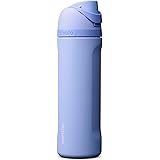
Owala FreeSip Stainless Steel Water Bottle 24 oz Out of the Blue
$29.99 (as of September 15, 2026 17:21 GMT +00:00 – More infoProduct prices and availability are accurate as of the date/time indicated and are subject to change. Any price and availability information displayed on [relevant Amazon Site(s), as applicable] at the time of purchase will apply to the purchase of this product.)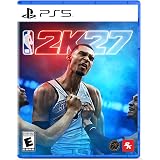
NBA 2K27 – PlayStation 5
$67.00 (as of September 15, 2026 17:44 GMT +00:00 – More infoProduct prices and availability are accurate as of the date/time indicated and are subject to change. Any price and availability information displayed on [relevant Amazon Site(s), as applicable] at the time of purchase will apply to the purchase of this product.)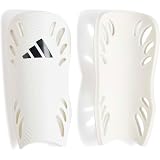
adidas Unisex Adiflex Soccer Shin Guards | Lightweight Soccer Shin Guards, Run Small
$11.02 (as of September 15, 2026 17:44 GMT +00:00 – More infoProduct prices and availability are accurate as of the date/time indicated and are subject to change. Any price and availability information displayed on [relevant Amazon Site(s), as applicable] at the time of purchase will apply to the purchase of this product.)
Owala Princess FreeSip Stainless Steel Water Bottle 24 oz Cinderella
$54.99 (as of September 15, 2026 17:21 GMT +00:00 – More infoProduct prices and availability are accurate as of the date/time indicated and are subject to change. Any price and availability information displayed on [relevant Amazon Site(s), as applicable] at the time of purchase will apply to the purchase of this product.)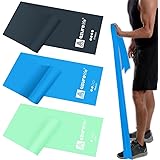
A AZURELIFE Resistance Bands,Professional Long Non-Latex Elastic Stretch Bands,Exercise Bands for Physical Therapy, Yoga, Pilates, Rehab, at-Home or The Gym Workouts, Strength Training
$6.55 (as of September 15, 2026 17:44 GMT +00:00 – More infoProduct prices and availability are accurate as of the date/time indicated and are subject to change. Any price and availability information displayed on [relevant Amazon Site(s), as applicable] at the time of purchase will apply to the purchase of this product.)Gear choices and city traits determine which U.S. city fits you best; this guide shows how to match urban prepper gear to your local hazards, legal limits, transit options, and storage constraints so you can build a practical, city-specific plan.

Core Metrics for Urban Survival Assessment
Metrics show how you weigh infrastructure resilience, crime rates, healthcare access, and transit options to select the best city and gear match for your needs.
Population Density and Evacuation Logistics
Density affects how you plan evacuations, choose compact gear, and estimate congestion during an emergency, shaping your route and timing decisions.
Local Resource Accessibility and Supply Chains
Access to grocery, medical, and fuel points shows you whether short-term stockpiles suffice or if you need longer-term caches and alternate resupply plans.
Supply chains determine how quickly you can replenish imperatives and whether local markets or regional hubs will be hit first. Assess nearby warehouses, farmer markets, delivery services, and fuel terminals; account for seasonal closures and single-point failures. Use this to choose kit-water purification, modular food, and portable power-and plan alternate resupply routes or barter items with neighbors and small businesses.
The Vertical Jungle: New York City
You should prioritize compact, multi-function kits, access to stair-ready gear, and quick water and food solutions that fit small premises and carry-on commutes in high-rise neighborhoods.
Compact EDC for High-Density Environments
Your EDC should emphasize slim multi-tools, compact first-aid, water purification tablets, and a reliable micro-light and power bank that fit pockets or small bags without drawing attention.
Vertical Egress and Non-Permissive Environment Gear
Pack a lightweight harness or rappel-ready cord alternative, sturdy gloves, low-profile climbing shoes, and a compact signal kit, optimizing for stair evacuations and constrained rooftop egress in contested areas.
Prepare by prioritizing low-profile, tested descent equipment, redundancy in cordage and backups, plus a small helmet and gloves you can deploy in stairwells or on rooftops. Train regularly on ropework and rapid egress drills in certified classes and plan multiple exit routes, including service stairs and legal elevator options. Carry compact comms, an emergency map, and a concealment-ready medical kit designed for tight spaces and high-visibility scenarios to boost survivability in non-permissive settings.
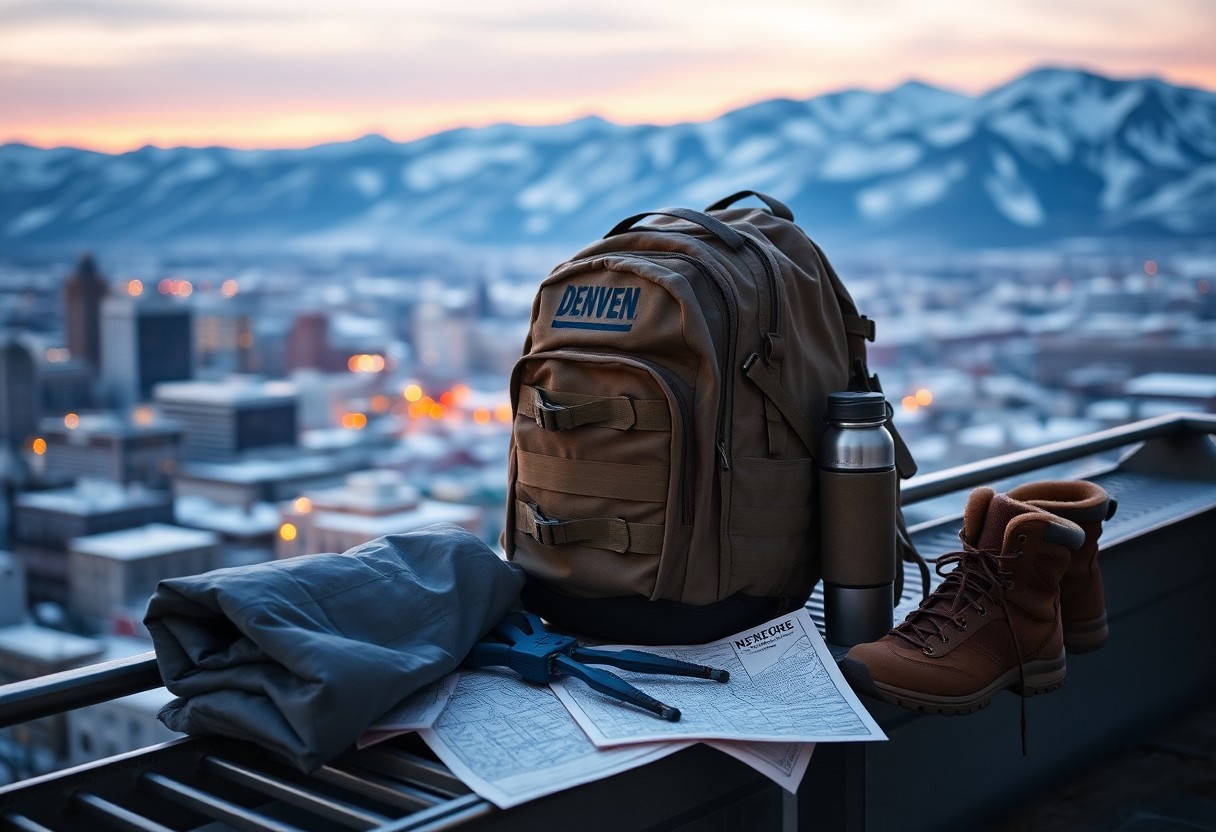
The High-Altitude Stronghold: Denver
Denver’s thin air changes how you prepare; you should choose gear that performs at altitude, prioritize winter-rated shelter and insulation, and plan water sourcing for snowmelt and municipal taps. Local building codes and weather swings inform your urban prep adjustments.
Multi-Climate Layering and Alpine-Ready Kits
Layering your clothing lets you adjust from warm sun to blizzard within blocks; you should pack breathable base layers, insulating mid-layers, and a waterproof, mountaineering-rated shell. Include compact emergency blankets and a heated pack option if you spend extended time above treeline.
Off-Road Mobility and Rugged Terrain Equipment
Vehicles adapted for 4×4, higher suspension, and snow tires keep you moving on Denver’s outskirts; you should outfit rigs with recovery straps, skid plates, and fuel redundancy to handle mountain passes and sudden storms while remaining street-legal inside city limits.
You should prioritize all-terrain tires rated for snow, a front-mounted winch, heavy-duty recovery straps, a high-lift jack with a solid base, and underbody protection. Add auxiliary lighting, weatherproof communications (GMRS or ham), spare belts, filters, fluids, and a portable fuel can; practice safe recovery techniques and confirm access rules before venturing off-pavement.
The Arid Basin Strategy: Phoenix
Phoenix forces you to prioritize water, shade and heat-ready evacuation routes; microclimate planning and rooftop shade systems make the city a viable urban-prepper match if you prepare for extreme sun and limited immediate water sources.
High-Capacity Hydration and Heat Mitigation Tools
Pack high-capacity water bladders, insulated bottles and portable filtration so you can carry, cool and treat large volumes; include evaporative cooling bandanas, UV-blocking headwear and battery-powered fans to reduce heat stress during long urban movements.
Dust-Proofing Electronics and Mechanical Gear
Seal electronics and mechanical gear in IP-rated cases, use silicone port plugs and desiccant packs so you can prevent grit ingress; apply dust-tolerant lubricants, keep spares in airtight pouches and fit intake pre-filters on any ventilation you rely on.
Consider assessing each device’s IP and NEMA ratings and upgrading to foam-lined, gasketed cases for transit; add Gore vents to equalize pressure without admitting dust, swap standard seals for Viton or silicone O-rings, and use conformal coating on circuit boards when you expect fine particulates. Plan routine cleanings with low-pressure compressed air, fresh lubricants rated for abrasive particles, and labeled spare seals so you can restore function quickly after sand exposure.
The Coastal Front: Miami
Miami forces you to plan for storm surge, heat, and evacuation congestion; prioritize elevated caches, flood-resistant shelter, and local escape corridors tailored to dense, coastal neighborhoods.
Waterproofing Systems and Amphibious Supplies
Install heavy-duty seals and raised storage so your gear survives salt spray and floods; include inflatable craft, dry bags, and corrosion-resistant tools for quick amphibious movement through inundated streets.
Hurricane-Grade Power and Signaling Solutions
Prioritize multi-source power like high-capacity batteries, solar arrays, and fuel generators, plus long-range radios, hand-crank chargers, and visual signaling so you stay connected when grids fail.
Layer your power plan with portable power stations (2,000+ Wh), foldable solar panels, MPPT charge controllers, and a backup generator with safe fuel storage and an automatic transfer switch so you can run vitals. Maintain battery cycles and protect units in waterproof cases. Equip handheld VHF/UHF radios, a HAM setup, NOAA weather radio, and visual signals-strobes, dye markers, and signal flags-to call for help from land or sea.
The Pacific Northwest Hub: Seattle
Seattle places you near rain-tested routes, transit hubs, and abundant urban-foraging opportunities, while nearby wilderness gives flexible evacuation corridors and training terrain for urban preppers.
Advanced Moisture Management and Tactical Rain Gear
Protect your kit with breathable waterproof shells, taped seams, quick-drain packs, and vapor-wicking layers so moisture won’t compromise food, electronics, or shelter over extended wet periods.
- Breathable waterproof shell
- Pack rain cover and dry bags
- Moisture-wicking base layers
- High-traction waterproof footwear
- Tarp shelter with tub floor
Moisture Gear Breakdown
| Item | Why it helps |
|---|---|
| Waterproof shell | Keeps core dry while allowing sweat to escape |
| Dry bags | Protects food and electronics from prolonged damp |
| Wicking layers | Reduces internal condensation and chafing |
| Tarp shelter | Creates a dry living area and equipment staging |
Digital Resilience and Signal Intercept Tools
Secure local comms with offline messaging apps, portable mesh nodes, and power backups so you maintain situational awareness when networks degrade or public systems are overloaded.
You should outfit yourself with portable ham radios, preprogrammed scanners, compact SDR units for public-frequency monitoring, Faraday pouches for device isolation, and reliable power solutions; use encryption and legal monitoring practices to observe open signals without attempting access to encrypted or private communications.
Final Words
Taking this into account, you should match a city’s hazards, density, and laws to gear so your urban prepping fits evacuation routes, storage limits, and local resources; prioritize compact, legal, multipurpose items and train with neighbors for practical readiness.
FAQ
Q: How should I decide which U.S. city is the best match for my urban prepping priorities?
A: Start by listing top threats you expect in daily life: earthquakes, hurricanes, floods, wildfire, extreme heat or cold, and civil unrest. Weigh personal constraints such as family, work, budget, mobility, and whether you plan to bug in or bug out. Compare city metrics: population density, emergency-response times, utility outage frequency, local supply-chain reliability, and public-transit reliability. Check legal restrictions that affect gear and tactics, including firearm, camping, and storage laws. Score candidate cities against those criteria and pick one that minimizes your top three risks while fitting your lifestyle and budget.
Q: Which U.S. cities are best if I want to be an urban prepper who plans to shelter in place?
A: Cities with stable infrastructure and dependable water and power services make the best shelter-in-place choices. Examples include Portland, ME; Minneapolis; and Boston for reliable utilities and accessible services. Look for housing with ample sealed storage, good insulation, and redundant heating or cooling options. Gear priorities include long-term food storage, large-capacity water filtration and storage, high-capacity battery systems or a portable generator, air filtration for smoke or contaminants, medical supplies, and secure home fortification items like strong locks and window protection.
Q: Which U.S. cities suit urban preppers who plan to bug out to nearby rural areas?
A: Cities with multiple reliable egress routes and nearby open land are best for bug-out plans. Good examples are Denver, Boise, Salt Lake City, and Albuquerque because they offer relatively quick access to less-populated areas and several highway options. Gear priorities include a lightweight, well-organized bug-out bag; vehicle readiness (extra fuel, tires, recovery gear); portable water filtration; compact shelter and sleeping gear; navigation tools and paper maps; and fuel- and weather-appropriate clothing for the routes you expect to use.
Q: How do local laws and climate affect which gear I should carry or store in a given city?
A: Local statutes determine what defensive tools and where you can store or carry them, so check city and state firearm, knife, and camping laws before choosing gear. Climate dictates material choices and maintenance: humid cities require moisture-proof containers and dehumidifiers for stored food and electronics, flood-prone areas need raised storage and watertight bins, and cold climates demand fuel and heating systems rated for low temperatures. Urban air-quality events push investment in sealed air filters and N95 or better masks. Tailor your kit to legal constraints and the most common environmental stressors for that city.
Q: What neighborhood features should I prioritize, and what gear matches those features when picking a city home as an urban prepper?
A: Prioritize neighborhoods with multiple exit routes, nearby grocery and medical access, a strong community network, and low crime rates. Apartment features to value include basement or dedicated storage, secure entry, multiple exits or stair access, and good cell reception. Gear matched to those features includes compact modular storage systems, multi-tool kits, lockboxes, discreet food and water caches, battery banks and solar chargers sized to your usage, portable water containers, short-range radios or mesh communication devices for community coordination, and a medical kit scaled to household size.
Author

Zubaz NFL Baltimore Ravens Men’s Long Sleeve Tee, Large, Gray
$49.99 (as of September 15, 2026 17:44 GMT +00:00 – More infoProduct prices and availability are accurate as of the date/time indicated and are subject to change. Any price and availability information displayed on [relevant Amazon Site(s), as applicable] at the time of purchase will apply to the purchase of this product.)
Fitbit Google Air – Screenless Activity Tracker – Obsidian | Fitness, heart rate, & sleep tracking, personalized AI-powered coaching, up to 7 days’ battery life, works with iOS & Android
$99.99 (as of September 15, 2026 17:44 GMT +00:00 – More infoProduct prices and availability are accurate as of the date/time indicated and are subject to change. Any price and availability information displayed on [relevant Amazon Site(s), as applicable] at the time of purchase will apply to the purchase of this product.)
STANLEY Quencher ProTour Flipstraw Tumbler, 40 oz, Blue Dream | Built-In Straw & Handle | Cupholder Compatible for Travel | Leakproof Insulated Stainless Steel Cup | BPA-Free
$45.00 (as of September 15, 2026 17:44 GMT +00:00 – More infoProduct prices and availability are accurate as of the date/time indicated and are subject to change. Any price and availability information displayed on [relevant Amazon Site(s), as applicable] at the time of purchase will apply to the purchase of this product.)
Healthy Packers Ice Packs for Lunch Boxes & Coolers – Freezer Packs – Original Cool Pack | Cooler Accessories for Beach, Camping & Fishing | Slim & Long-Lasting Reusable Ice Pack for Cooler
$13.99 (as of September 15, 2026 17:44 GMT +00:00 – More infoProduct prices and availability are accurate as of the date/time indicated and are subject to change. Any price and availability information displayed on [relevant Amazon Site(s), as applicable] at the time of purchase will apply to the purchase of this product.)

Leave a Reply