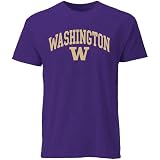
Barnesmith Spirit Logo Adult Unisex Short-Sleeve T-Shirt
$25.95 (as of September 15, 2026 17:21 GMT +00:00 – More infoProduct prices and availability are accurate as of the date/time indicated and are subject to change. Any price and availability information displayed on [relevant Amazon Site(s), as applicable] at the time of purchase will apply to the purchase of this product.)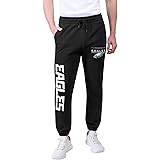
Ultra Game Men’s NFL Official Super Soft Game Day Jogger Sweatpants
$33.99 (as of September 15, 2026 17:44 GMT +00:00 – More infoProduct prices and availability are accurate as of the date/time indicated and are subject to change. Any price and availability information displayed on [relevant Amazon Site(s), as applicable] at the time of purchase will apply to the purchase of this product.)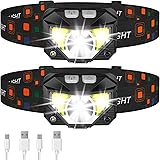
LHKNL Headlamp Flashlight, Lumen Bright Head Lamps LED Rechargeable Camping | Ultra-Light, with White Red Light, 2-Pack Waterproof Motion Sensor Headlight, 8 Modes for Outdoor Running Hiking Fishing
$19.99 (as of September 15, 2026 17:44 GMT +00:00 – More infoProduct prices and availability are accurate as of the date/time indicated and are subject to change. Any price and availability information displayed on [relevant Amazon Site(s), as applicable] at the time of purchase will apply to the purchase of this product.)
Cool Coolers by Fit & Fresh Slim Ice Packs, Quick Freeze Reusable Ice Packs for Lunch Boxes & Coolers, Long-Lasting, Space Saving Lunch Ice Packs, Blue, 4Pk
$9.50 (as of September 15, 2026 17:44 GMT +00:00 – More infoProduct prices and availability are accurate as of the date/time indicated and are subject to change. Any price and availability information displayed on [relevant Amazon Site(s), as applicable] at the time of purchase will apply to the purchase of this product.)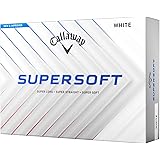
Callaway Golf Supersoft 2025 Golf Balls
$26.97 (as of September 15, 2026 17:44 GMT +00:00 – More infoProduct prices and availability are accurate as of the date/time indicated and are subject to change. Any price and availability information displayed on [relevant Amazon Site(s), as applicable] at the time of purchase will apply to the purchase of this product.)It’s imperative to choose the right GPS navigation emergency device for your outdoor adventures, as having reliable navigation can be a game-changer in unfamiliar territories. In this post, we’ll compare the Bushnell and Garmin GPS devices, focusing on their features, usability, and battery life, providing you with the insights needed to make an informed decision. Whether you’re trekking through the mountains or navigating dense forests, understanding the nuances of these devices will help you select the one that best suits your needs.

Key Takeaways:
- Both Bushnell and Garmin offer GPS navigation emergency devices that cater to outdoor enthusiasts, featuring necessary navigational tools.
- Battery life varies between models, with Garmin devices typically boasting longer durations, making them more suitable for extended trips.
- Bushnell often provides a more budget-friendly option, appealing to casual users or those new to outdoor navigation.
- Garmin devices frequently include advanced features such as real-time weather updates and tracking capabilities, which can enhance safety during adventures.
- Both brands feature user-friendly interfaces, but Garmin tends to receive higher praise for its ease of use and comprehensive support resources.
Battling It Out: Bushnell and Garmin’s Core Features
Both Bushnell and Garmin stand out in GPS navigation devices, each bringing unique features to the table. Garmin’s robust lineup includes comprehensive satellite connectivity and advanced mapping options, while Bushnell focuses on ease of use with user-friendly interfaces and durable designs. When making a choice, considering how each device aligns with your specific outdoor needs may significantly enhance your navigation experience.
Design and Usability: What Sets Them Apart
The design philosophies of Bushnell and Garmin exemplify their target audiences. Bushnell emphasizes ruggedness, making their devices ideal for extreme conditions. Their intuitive interfaces appeal to a wider range of users seeking straightforward functionality. On the other hand, Garmin offers a sleeker design with advanced touchscreen displays, catering to tech-savvy outdoor adventurers who appreciate intricate mapping and navigational capabilities.
Mapping and Navigation Capabilities: A Direct Comparison
Bushnell’s mapping capabilities provide basic navigation needs, especially suited for casual hikers. Garmin, conversely, excels in this domain with detailed topographic maps and real-time updates that are invaluable for serious adventurers. The extensive base maps provided by Garmin are complemented by features like route optimization, ensuring you have a comprehensive navigation tool in the field.
Mapping and Navigation Capabilities Comparison
| Feature | Bushnell |
|---|---|
| Base Maps | Basic maps, limited detail |
| Topographic Support | Minimal |
| Real-Time Updates | Not available |
| Route Optimization | No |
Mapping and Navigation Capabilities Comparison
| Feature | Garmin |
|---|---|
| Base Maps | Comprehensive, highly detailed |
| Topographic Support | Extensive |
| Real-Time Updates | Yes, via satellite |
| Route Optimization | Yes, dynamic routing |
The contrasting mapping capabilities highlight that while Bushnell caters to a more casual user with vital navigation, Garmin begins on offering a sophisticated experience perfect for those venturing into more challenging terrains. Choosing between them ultimately hinges on how much you value in-depth navigation features versus straightforward usability.
Power Plays: Examining Battery Life Performance
Evaluating battery life is important when selecting a GPS navigation emergency device, as it has a direct impact on your outdoor experiences. Bushnell and Garmin models offer varying battery endurance based on their designs, features, and usage. You’ll want to consider how these devices perform under typical conditions, especially during extended trips where charging options are limited.
Battery Types and Durability: An In-Depth Analysis
The battery types utilized in Bushnell and Garmin units vary, affecting both longevity and durability. Most models incorporate either lithium-ion or rechargeable batteries, each with distinct advantages. Choosing the right battery type depends on your specific usage conditions and reliability needs.
- Bushnell typically uses lithium-ion for quick charging and longer life.
- Garmin may offer different battery options across its models, focusing on high-capacity lithium packs.
- Both brands feature rugged, durable designs to withstand harsh environments.
- Battery life can be influenced by software features and settings.
- Any adjustments you make to GPS usage or backlight settings can extend overall battery performance.
| Device | Battery Life |
|---|---|
| Bushnell GPS | Up to 20 hours |
| Garmin GPS | Up to 30 hours |
| Battery Type | Lithium-ion |
| Running Mode | Power Saving Mode |
| Durability Rating | IPX7 |
Impact of Usage on Battery Longevity: Real-World Insights
Your usage habits significantly influence the battery longevity of GPS devices. By understanding how various factors, such as backlight settings and frequency of location updates, affect overall battery performance, you can optimize your device for longer outings. Additionally, environmental conditions can contribute to battery drain, especially in extreme temperatures.
Consider how you utilize your device during adventures. For example, using real-time tracking features extensively or leaving the screen backlight on for prolonged periods can lead to faster battery depletion. Many seasoned users recommend employing power-saving settings whenever possible and limiting unnecessary features during critical moments. Adopting best practices will not only enhance battery life but ensure you remain prepared for emergencies on your adventures.

The Cost of Reliability: Assessing Value for Money
Buying a GPS navigation emergency device often boils down to balancing reliability with cost. While initial prices may lure you in, the real question lies in the long-term value each device offers. A dependable device can save you time, money, and even your safety during excursions. Often, owners of higher-priced models like Garmin find themselves more satisfied, as the added features and robustness can outweigh the upfront costs, making them worthwhile investments for frequent adventurers.
Price Points and Features: Which Offers More Bang for Your Buck?
When comparing Bushnell and Garmin, price disparities often reflect differences in features and performance. Bushnell models generally target budget-conscious consumers, offering vital functionalities at lower price points. Conversely, Garmin devices come with advanced features like multi-satellite support and comprehensive mapping options, justifying their higher price tags. Choosing the one that maximizes your investment hinges on the specific features you deem necessary, such as battery life or durability, compared to the cost you’re willing to incur.
Warranty and Customer Support: Long-Term Investment Considerations
Warranty and customer support play significant roles in the overall value of your GPS device. Garmin typically provides more extensive warranty services, including options for repair and replacement, reflecting confidence in their product’s longevity. On the other hand, Bushnell offers limited warranties which might not cover extensive use or accidental damages, putting you at a disadvantage. Understanding these factors ensures you’re making a sound investment that covers future needs.
While warranty periods vary by model, opting for a device with robust customer support can save you headaches later. A Garmin GPS, for instance, often comes with longer warranty coverage and access to responsive customer service, ensuring you can resolve issues without incurring additional costs. In contrast, if a Bushnell device encounters problems after the warranty period, you may face higher costs for repairs or replacements. Hence, investing in a device that offers reliable support services can significantly enhance the longevity and overall satisfaction of your purchase.
In the Field: User Experiences and Testimonials
Users from various outdoor backgrounds have reported their experiences with both Bushnell and Garmin GPS devices, stating that real-world performance often highlights their differences. While some adventure seekers praise Bushnell for its rugged build and straightforward interface, others lean towards Garmin for its advanced mapping capabilities and integrated safety features. Testimonials showcase how each device fits different needs, whether it’s for a short hike or an extended backcountry trek. Gathering feedback from the field helps prospective buyers make informed choices based on true performance in unexpected situations.
Adventure Stories: How They Perform Under Pressure
Stories from the field reveal how these devices serve users in challenging scenarios. One hiker recounted getting lost in a dense forest but successfully navigating back by relying on Garmin’s detailed topographic maps, while another shared a thrilling tale of being rescued thanks to the Bushnell’s SOS signal feature. Such accounts illustrate how important these tools are when navigating uncharted territories, emphasizing their reliability in emergency situations.
Common User Complaints: What to Watch Out For
While both GPS devices are well-regarded, users voiced some concerns you should consider. Issues with battery drain during extended use, difficulty in updating maps, and the overall weight of the devices were commonly mentioned. A handful of users reported their Garmin lagging occasionally in remote areas, while some Bushnell owners found the screen visibility a challenge in bright daylight. These insights provide a broader understanding of the potential drawbacks that may affect your purchasing decision.
Garmin users frequently express frustration with software updates that can be time-consuming and lead to temporary operational glitches following installation. Additionally, the users of Bushnell recognize its limitations with battery life during prolonged use, especially in cold weather, where performance can dip dramatically. Depending on your adventure type and duration, considering these common complaints can help ensure your device will meet your expectations during critical moments in the field.
Final Thoughts on Survival Gear: Making the Right Choice
Selecting the right emergency GPS device hinges on your specific needs and the environments you plan to explore. Bushnell devices tend to shine in budget-conscious situations while providing excellent battery life for basic navigation. In contrast, Garmin’s comprehensive features might appeal to those seeking advanced functionality and robust performance, especially in extreme conditions. Weigh both quality and price against your intended use; for instance, a hiker venturing into remote territories may benefit from Garmin’s detailed mapping capabilities. Deciding between these options means assessing how each aligns with your survival strategy and hiking lifestyle.
FAQ
Q: What are the main differences between Bushnell and Garmin GPS navigation emergency devices?
A: Bushnell and Garmin offer distinct features in their GPS navigation emergency devices. Bushnell devices are often favored for their durability and affordability, making them great for casual outdoor users. On the other hand, Garmin devices are known for their advanced mapping capabilities, diverse features such as live tracking, and higher accuracy, appealing to serious adventurers and professionals alike.
Q: How does battery life compare between Bushnell and Garmin GPS devices?
A: Battery life varies significantly between models within both brands. Generally, Garmin devices tend to offer longer battery life compared to Bushnell. Some Garmin models boast up to 20 hours or more in GPS mode, whereas Bushnell devices may range around 10 to 15 hours depending on usage. Users should check specific model specifications for exact battery life details.
Q: Are there any specific features related to emergency navigation in both Bushnell and Garmin devices?
A: Yes, both Bushnell and Garmin devices come with features suited for emergency navigation. Garmin devices often include emergency SOS features, real-time tracking, and communication tools if you find yourself in distress. Bushnell devices typically focus more on basic GPS functionality without advanced emergency features but can still guide users back to safety.
Q: Which brand offers better customer support and warranty for their GPS devices?
A: Garmin is often recognized for its robust customer support and comprehensive warranty options that can last up to two years for some products. They also provide extensive online resources and community forums. Bushnell offers decent customer support and warranty coverage as well, but their resources may not be as extensive as Garmin’s.
Q: What type of users would benefit more from a Bushnell device compared to a Garmin device?
A: Users who engage in casual outdoor activities, such as hiking or biking on well-marked trails, may find Bushnell devices adequate due to their simplicity and affordability. Conversely, users who are more experienced, seek detailed topographic maps, or require advanced navigation metrics will likely benefit more from Garmin’s extensive features and reliability.
Author


YETI Rambler 18 oz Leakproof Bottle with Flip Chug Cap, Tropical Pink | Double-Wall Vacuum Insulated, 100% Leakproof Magnetic C-Lock, Lockable Covered Spout, 18/8 Stainless Steel, Cupholder Fit
$25.60 (as of September 15, 2026 17:44 GMT +00:00 – More infoProduct prices and availability are accurate as of the date/time indicated and are subject to change. Any price and availability information displayed on [relevant Amazon Site(s), as applicable] at the time of purchase will apply to the purchase of this product.)
CAP Vinyl Coated Cast Iron Kettlebell, 10-50 LB Home Gym Weight
$39.99 (as of September 15, 2026 17:44 GMT +00:00 – More infoProduct prices and availability are accurate as of the date/time indicated and are subject to change. Any price and availability information displayed on [relevant Amazon Site(s), as applicable] at the time of purchase will apply to the purchase of this product.)
HydroJug Sport 14 oz For Kids 4+ Water Bottle with Straw,Football | Triple wall insulated, leak-resistant flip straw, swivel handle, BPA-free, lightweight design, dishwasher safe, rubber boot
$19.99 (as of September 15, 2026 17:44 GMT +00:00 – More infoProduct prices and availability are accurate as of the date/time indicated and are subject to change. Any price and availability information displayed on [relevant Amazon Site(s), as applicable] at the time of purchase will apply to the purchase of this product.)
Zubaz NFL Women’s Solid Color Leggings, Team & Color Options
$18.99 (as of September 15, 2026 17:21 GMT +00:00 – More infoProduct prices and availability are accurate as of the date/time indicated and are subject to change. Any price and availability information displayed on [relevant Amazon Site(s), as applicable] at the time of purchase will apply to the purchase of this product.)


Leave a Reply