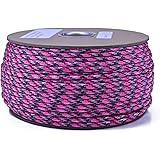
Bored Paracord – 1′, 10′, 25′, 50′, 100′ Hanks & 250′, 1000′ Spools of Parachute 550 Cord Type III 7 Strand Paracord Well Over 300 Colors – Pink Camo – 100 Feet
$11.59 (as of September 15, 2026 17:21 GMT +00:00 – More infoProduct prices and availability are accurate as of the date/time indicated and are subject to change. Any price and availability information displayed on [relevant Amazon Site(s), as applicable] at the time of purchase will apply to the purchase of this product.)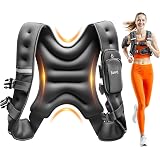
Renoj Weighted Vest for Women Men: Available in 6lb/8lb/10lb/11lb/12lb/14lb/16lb/20lb Fixed Weights for Walking, Running, Training, Exercise, Weight Loss – With Reflective Strips and Storage Pocket
$6.99 (as of September 15, 2026 17:44 GMT +00:00 – More infoProduct prices and availability are accurate as of the date/time indicated and are subject to change. Any price and availability information displayed on [relevant Amazon Site(s), as applicable] at the time of purchase will apply to the purchase of this product.)
Owala Princess FreeSip Stainless Steel Water Bottle 24 oz Cinderella
$54.99 (as of September 15, 2026 17:21 GMT +00:00 – More infoProduct prices and availability are accurate as of the date/time indicated and are subject to change. Any price and availability information displayed on [relevant Amazon Site(s), as applicable] at the time of purchase will apply to the purchase of this product.)
Renoj Resistance Bands for Working Out, 5 Levels Pull Up Assistance Bands Set for Workout, Exercise, Home Gym & Strength Training
$17.98 (as of September 15, 2026 17:44 GMT +00:00 – More infoProduct prices and availability are accurate as of the date/time indicated and are subject to change. Any price and availability information displayed on [relevant Amazon Site(s), as applicable] at the time of purchase will apply to the purchase of this product.)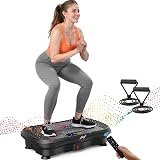
AXV Vibration Plate Exercise Machine Fitness Platform Body Vibrating Board | Curved Design 200W Powerful Oscillating 120 Level Shake Plate for Lymphatic Drainage Recovery Whole Body Toning With Handles
$72.19 (as of September 15, 2026 17:21 GMT +00:00 – More infoProduct prices and availability are accurate as of the date/time indicated and are subject to change. Any price and availability information displayed on [relevant Amazon Site(s), as applicable] at the time of purchase will apply to the purchase of this product.)Urban environments can quickly become overwhelming when SHTF (Sh*t Hits The Fan), especially if you don’t have a designated bug-out location. Navigating through congested streets, limited resources, and unpredictable dangers requires careful planning and adaptability. In this post, you’ll learn practical strategies to evacuate the city safely and efficiently, relying on your skills, available tools, and situational awareness. Understanding your options and preparing mentally can make a significant difference in your ability to escape and reach safety when time and resources are limited.
Key Takeaways:
- Develop a reliable urban evacuation plan tailored to your city’s layout and infrastructure.
- Identify multiple exit routes and modes of transportation to increase chances of a successful escape.
- Stock vital supplies in a portable, easy-to-carry kit that supports short to medium-term survival.
- Stay aware of local hazards and challenges unique to urban environments during emergencies.
- Build a network of trusted contacts for mutual aid and resource sharing when bugging out from the city.
Urban Realities: Navigating City Challenges During Crisis
You confront unique challenges in the city when disaster strikes—densely packed streets, scarce green spaces, and limited access to resources make mobility and survival difficult. Every move requires careful planning, as crowds tend to swell unpredictably, and tensions can escalate quickly. Understanding these dynamics helps you anticipate bottlenecks and identify safer routes. Adapting your escape strategy to urban density means leveraging knowledge of your surroundings and staying agile amid shifting conditions to maximize your chances of leaving the city safely without the comfort of a bug-out location.
The Psychological Barrier: Overcoming Fear in Crowded Cities
Fear can immobilize you just as surely as a physical barrier when chaos erupts in a packed city. The noise, confusion, and presence of aggressive crowds amplify stress, clouding judgment. By mentally preparing to stay calm and focused, you increase your ability to assess risks realistically and choose paths that avoid panic zones. Adopting techniques like controlled breathing and breaking overwhelming situations into manageable tasks help you maintain clarity and persist beyond the psychological paralysis that grips many in urban crises.
Infrastructure Limitations: Understanding Transportation Gridlock
City infrastructure often collapses under duress, with traffic jams becoming life-threatening obstacles. Thousands of vehicles clog roads as everyone attempts to flee simultaneously, leading to gridlock that can last hours or days. Public transit systems may shut down abruptly due to power outages or security concerns, leaving you stranded without reliable options. Anticipating these breakdowns forces you to consider alternatives such as biking, walking, or using less obvious routes that bypass main thoroughfares.
Traffic gridlock in urban centers during emergencies has been extensively documented. For instance, during Hurricane Rita in 2005, evacuation routes out of Houston became immobilized by over two million people fleeing, resulting in stops that stretched for over 20 miles and delays exceeding 24 hours. Such paralysis highlights the limitations of depending on conventional transportation. Preparing to abandon standard vehicles and embracing micro-mobility like bicycles or even traveling on foot can significantly increase your ability to navigate through or around stagnant traffic when infrastructure fails.
Creative Alternatives: Strategies for Urban Egress
Exploring unconventional exit routes can enhance your chances of escaping the city safely. Options like underground passages, rooftop pathways, or lesser-known alleys can avoid congested main roads. Combining these with real-time info from local networks or social media updates sharpens your situational awareness. You might also consider bicycle paths and service tunnels designed for maintenance access—they often provide discreet and quicker mobility during chaotic situations. Keeping an urban map with marked alternative routes expands your choices, making your strategy more adaptive even under pressure.
Utilizing Safe Public Spaces: Parks and Community Areas as Refuge
Parks and community spaces often serve as natural gathering points with open sightlines and fewer enclosed risks. These areas may provide access to fresh water, shade, and natural barriers that help you avoid direct conflicts or hazards downtown. Identifying smaller, lesser-known parks outside city centers can offer less crowded alternatives for temporary refuge. Community gardens and recreation centers might also provide resources or safe places to regroup while planning your next steps.
The Value of Nearby Green Zones: Finding Nature Amid Concrete
Green zones located near urban edges or along riverbanks can act as critical corridors for escape and resupply. These pockets of nature frequently connect to larger wilderness areas, allowing you to transition from urban to rural environments. Their relative quiet and cover give you a tactical advantage in avoiding detection. Some cities even maintain urban forests or wetlands that facilitate discreet movement and access to natural resources like edible plants and freshwater streams.
Urban green zones often serve as unexpected lifelines during emergencies. You might discover multi-mile trail systems through city parks and preserves that connect neighborhoods to the outskirts. For example, Seattle’s extensive network of greenways and natural reserves offers both shelter and natural navigation aids. Such zones also tend to have less police or civilian traffic, reducing exposure to potential threats. Familiarizing yourself with these areas ahead of time expands your egress options and provides vital respite from the city’s chaos.
Using Hotels and Hostels: Temporary Shelters in Uncertain Times
Hotels and hostels can offer short-term sanctuary when your usual safe zone is compromised. They usually have secure locks, water, and restrooms, providing a step up from outdoor survival. Investigating smaller, family-run accommodations might be more fruitful than large chains, as they tend to be quieter and have less stringent regulations, which can work in your favor during an emergency. Establishing rapport with staff beforehand can be a surprising asset.
Hotels and hostels act as valuable waypoints on your urban escape path. Many maintain generators, giving you access to power when the grid is down, and some have stocked kitchens or room service, increasing your food options. In cities with heavy tourism, certain hostels have 24-hour operations and security which can help maintain a safer environment. Scouting these locations early, knowing occupancy patterns and local ownership can support negotiations for brief stays or barter arrangements, boosting your survival security.
Crafting Your Urban Escape: Essential Gear for City Survival
In an urban crisis, the right gear transforms your escape plan from wishful thinking into action. Focus on assembling tools and supplies that offer versatility—compact, multi-use items that fit into a manageable kit without weighing you down. From navigation aids like maps and a reliable compass to portable water filters and high-calorie, shelf-stable food options, each item should serve multiple survival purposes. Streamlining gear ensures that you’re ready to respond quickly and adapt to unpredictable obstacles, maintaining your momentum as you move through the chaos.
Building Your City Escape Bag: What to Pack and Why
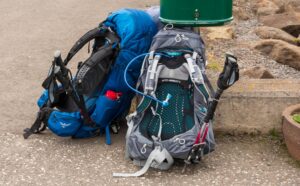
Your city escape bag needs prioritized necessarys: a sturdy, lightweight backpack housing a compact first-aid kit with trauma supplies, multipurpose tools such as a Swiss Army knife, a headlamp with extra batteries, and a microfiber bandana. Include sealed water pouches and high-energy bars for hydration and sustenance. A reliable portable phone charger and local city maps—both digital offline and paper versions—prepare you for communication breakdowns. This combination balances necessity with weight, designed to ease your movement through dense urban settings while addressing immediate survival needs.
Prioritizing Portability: Lightweight Tools for Emergency Mobility
Swapping bulky gear for compact, lightweight tools accelerates your movement and reduces fatigue. Folding shovels, collapsible trekking poles, and ultralight shelter options like emergency bivvies enable you to carry more function with less strain. Prioritize items made with carbon fiber or titanium, which combine durability with minimal weight. For example, a six-ounce titanium multitool can replace several traditional tools, freeing space for other necessarys. Investing in efficient gear not only helps you escape quickly but also ensures sustained mobility once you’re out on foot.
Consider the overall weight distribution in your pack carefully, positioning heavier items close to your back to maintain balance and reduce energy expenditure on long urban treks. Tools with multifunctional designs—like a tactical pen that doubles as a glass breaker and self-defense weapon—reduce the total items you carry. Ultralight water filtration systems, such as straw-style filters, provide safe hydration on the go without bulky equipment. Each choice made with portability in mind extends the distance and speed with which you can travel, enhancing your chance of successfully leaving the urban center when time is tight.
Stealth in the Chaos: Tips for Discreet Movement
- Maintain a low profile by avoiding any sudden movements or loud noises that attract attention.
- Stick to less-populated routes, such as alleyways or service corridors, which offer natural concealment.
- Keep your gear minimal and muted in color to prevent standing out in a crowd.
- Move during times when street activity peaks to blend with the flow rather than against it.
- Any stealthy approach also means anticipating patrol patterns and avoiding direct eye contact with security personnel to reduce suspicion.
Blending In: Techniques to Avoid Drawing Attention
You can blend into urban environments by matching local attire and behavior as closely as possible. Observing locals’ routines and body language helps adopt an inconspicuous posture. For example, wearing common clothing items such as neutral colors, avoiding tactical gear, and carrying everyday items like a messenger bag can obscure your intentions. Keep your pace steady and natural, never hurried or erratic, which helps dissolve your presence into the crowd rather than raising eyebrows.
Utilizing Urban Cover: How to Use the Environment to Your Advantage
City architecture provides countless nooks and shadows ideal for staying out of sight. Parked cars, dumpsters, stairwells, and construction sites create natural barriers between you and potential threats. Use reflective glass and darkened windows to monitor surroundings without exposing yourself. Additionally, overhead bridges or scaffolding offer elevated routes that avoid street-level congestion and observation. Any understanding of these spatial options enhances movement without detection.
Expanding on urban cover, consider how multilayered structures can be exploited. Fire escapes and urban rooftops grant vantage points and quick detours unseen by street-level observers. Urban noise, like traffic or construction, masks your movement if timed carefully. Seasonal factors, such as leaf cover or rain, also affect visibility and sound propagation, presenting dynamic options for concealment. By mapping these features in your escape plan, you maximize unpredictability, complicating efforts to track your path through the city.
Navigating Smartly: Essential Apps and Maps for Low-Profile Routes
Digital tools can drastically improve your odds of slipping through urban chaos unnoticed. Prioritize apps that provide offline functionality, real-time traffic updates, and customizable route planning. Combining satellite views with street-level imagery offers clearer decision-making under stress. An example is using a hybrid of OpenStreetMap and Google Maps offline modes to avoid relying on cellular signals, helping you pinpoint less traveled alleys or backstreets invisible to mainstream navigation systems. Integrating crowd-sourced data can also alert you to blockades or danger zones as you move.
Top Apps for Evacuating: Features to Look For
Choose apps offering offline map storage, real-time hazard warnings, and discreet navigation aids like vibration alerts. Applications such as OsmAnd and Maps.me excel in offline capabilities, while Waze can provide live traffic and police activity updates when signals hold. Also prioritize apps with simple, intuitive interfaces to reduce time spent glancing at screens, thereby keeping you alert to your surroundings. Some apps allow route sharing only with trusted contacts, adding a layer of security as you progress.
Mapping Your Escape: Creating Low-Profile Routes Before Crisis Hits
Pre-planning your exit routes can save vital minutes during an emergency. Scout and mark alternative paths that bypass major highways and checkpoints, using a combination of satellite imagery and street views. Recording these routes offline prevents dependency on cellular networks, which often fail in widespread emergencies. Incorporate less obvious paths such as pedestrian underpasses, bike trails, or service roads that usually see fewer eyes. Testing these routes under different conditions offers insight into potential bottlenecks or hazards before urgency forces you to choose blindly.
Further refining your escape mapping involves layering multiple route options within your offline map apps, arranged by distance, visibility, and accessibility. Note terrain features like steep hills or poorly lit areas that could slow you down or reveal your presence. Some urban preppers suggest timing trial runs during different parts of the day to gauge foot traffic patterns and the likelihood of encountering patrols or crowds. Updating these route plans regularly ensures adaptability to urban development or changing risk zones, making your navigation strategy a living document rather than a static plan.
Final Words
The ability to escape a city when SHTF without a bug-out location depends on your planning, resourcefulness, and adaptability. You need to assess your surroundings, identify multiple evacuation routes, and gather important supplies that fit your needs. By staying calm, thinking strategically, and being ready to improvise, you can increase your chances of reaching safety even in unpredictable situations. Your mindset and preparation will be your most valuable assets as you navigate through urban challenges towards a secure destination.
FAQ
Q: What are the first steps to take if you need to leave a city quickly during a crisis without a bug-out location?
A: Start by gathering important supplies such as water, non-perishable food, basic medical kits, tools, and warm clothing. Identify multiple exit routes out of the city to avoid congested or blocked main roads. Also, inform trusted contacts about your plans and destination to maintain communication and support.
Q: How can I determine the safest direction or route to escape the city without fixed plans?
A: Observe local conditions such as traffic flow, road closures, and emergency services deployment. Utilize maps—both digital and physical—to find secondary roads, backroads, or paths less traveled. Avoid major highways that may become heavily congested, and consider terrain such as rivers or forests that may provide natural cover for travel on foot if needed.
Q: What should I do if I get stuck in traffic or blocked roads during my escape attempt?
A: If roads become impassable, assess your surroundings for safe places to wait or temporarily shelter. Be prepared to abandon vehicles if they become a liability and continue your escape on foot. Stay alert to dangers, such as looting or civil unrest, and try to move in discreet, low-profile ways to avoid attracting attention.
Q: How can I maintain communication with family or emergency contacts when leaving a city unexpectedly?
A: Use mobile phones to send periodic updates when signal allows. Employ alternative communication methods such as text messages, social media, or apps designed for emergency communication. Consider battery packs and solar chargers to keep devices powered, and establish pre-arranged check-in times or locations with your contacts.
Q: What skills or knowledge can improve my chances of escaping a city safely during an emergency without a designated bug-out location?
A: Familiarity with urban navigation, basic first aid, self-defense, and survival skills like finding clean water and foraging can be highly beneficial. Knowledge of how to read maps and use a compass, or navigating by landmarks, will help if electronic devices fail. Psychological preparedness, including staying calm and making rational decisions, also enhances your ability to adapt and escape effectively.
Author

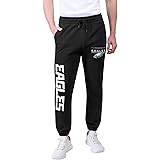
Ultra Game Men’s NFL Official Super Soft Game Day Jogger Sweatpants
$33.99 (as of September 15, 2026 17:44 GMT +00:00 – More infoProduct prices and availability are accurate as of the date/time indicated and are subject to change. Any price and availability information displayed on [relevant Amazon Site(s), as applicable] at the time of purchase will apply to the purchase of this product.)
Barnesmith Short Sleeve T-Shirt, Unisex, Heritage Logo, NCAA Colleges
$25.95 (as of September 15, 2026 17:21 GMT +00:00 – More infoProduct prices and availability are accurate as of the date/time indicated and are subject to change. Any price and availability information displayed on [relevant Amazon Site(s), as applicable] at the time of purchase will apply to the purchase of this product.)
Renoj Resistance Bands for Working Out, 5 Levels Pull Up Assistance Bands Set for Workout, Exercise, Home Gym & Strength Training
$17.98 (as of September 15, 2026 17:44 GMT +00:00 – More infoProduct prices and availability are accurate as of the date/time indicated and are subject to change. Any price and availability information displayed on [relevant Amazon Site(s), as applicable] at the time of purchase will apply to the purchase of this product.)
Amazon Basics Extra Thick Exercise Yoga Mat with Carrying Strap
$22.48 (as of September 15, 2026 17:44 GMT +00:00 – More infoProduct prices and availability are accurate as of the date/time indicated and are subject to change. Any price and availability information displayed on [relevant Amazon Site(s), as applicable] at the time of purchase will apply to the purchase of this product.)

Leave a Reply