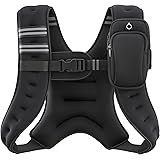
ZELUS Weighted Vest, 6lb/8lb/12lb/16lb/20lb/25lb/30lb Weight Vest with Reflective Stripe for Workout, Strength Training, Running, Fitness, Muscle Building, Weight Loss, Weightlifting
$27.89 (as of September 15, 2026 17:44 GMT +00:00 – More infoProduct prices and availability are accurate as of the date/time indicated and are subject to change. Any price and availability information displayed on [relevant Amazon Site(s), as applicable] at the time of purchase will apply to the purchase of this product.)
Dragon Shield | Matte Dual Standard Size Card Sleeves | 100ct – Smooth & Tough Premium TCG Sleeves – Compatible with Pokemon, One Piece, and Magic: The Gathering | Black & Gold
$12.99 (as of September 15, 2026 17:44 GMT +00:00 – More infoProduct prices and availability are accurate as of the date/time indicated and are subject to change. Any price and availability information displayed on [relevant Amazon Site(s), as applicable] at the time of purchase will apply to the purchase of this product.)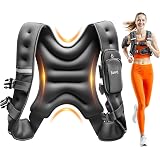
Renoj Weighted Vest for Women Men: Available in 6lb/8lb/10lb/11lb/12lb/14lb/16lb/20lb Fixed Weights for Walking, Running, Training, Exercise, Weight Loss – With Reflective Strips and Storage Pocket
$6.99 (as of September 15, 2026 17:44 GMT +00:00 – More infoProduct prices and availability are accurate as of the date/time indicated and are subject to change. Any price and availability information displayed on [relevant Amazon Site(s), as applicable] at the time of purchase will apply to the purchase of this product.)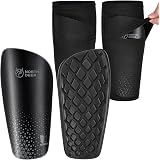
Northdeer Soccer Shin Guards for Kids Adults | Sleeves with Optimized Insert Pocket Protective Soccer for Boys Girls Men
$16.99 (as of September 15, 2026 17:44 GMT +00:00 – More infoProduct prices and availability are accurate as of the date/time indicated and are subject to change. Any price and availability information displayed on [relevant Amazon Site(s), as applicable] at the time of purchase will apply to the purchase of this product.)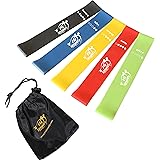
Fit Simplify Resistance Loop Exercise Bands with Instruction Guide and Carry Bag, Set of 5
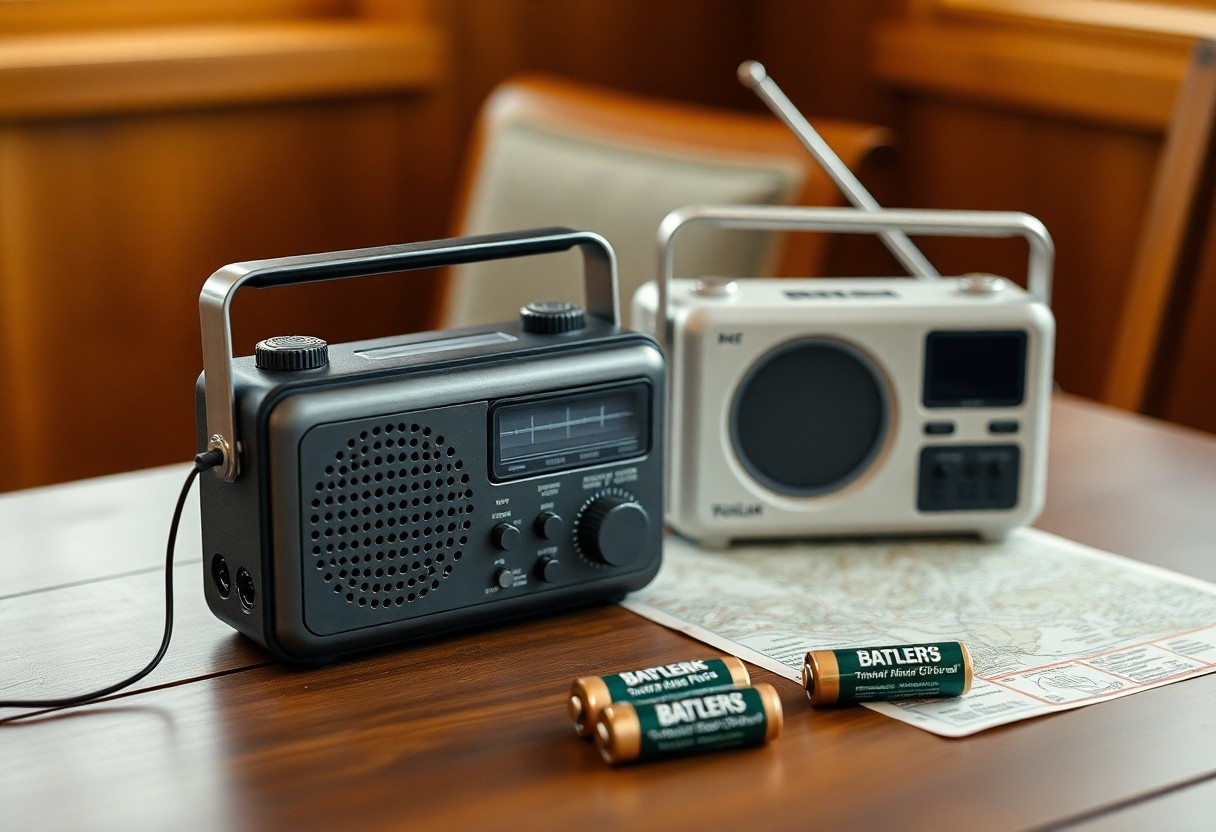
$9.98 (as of September 15, 2026 17:44 GMT +00:00 – More infoProduct prices and availability are accurate as of the date/time indicated and are subject to change. Any price and availability information displayed on [relevant Amazon Site(s), as applicable] at the time of purchase will apply to the purchase of this product.)With the right emergency communication system, you can stay informed during power outages or natural disasters. This post compares hand crank radios and solar radios, highlighting their strengths and weaknesses. Understanding these differences will help you make an informed choice that best meets your needs for reliable communication when it matters most. Whether you’re preparing for an emergency kit or enhancing your outdoor adventures, knowing what to expect from each type of radio is vital.
Key Takeaways:
- Hand crank radios provide immediate power without reliance on sunlight, making them effective in any weather conditions.
- Solar radios offer the advantage of being rechargeable with sunlight, reducing the need for manual effort.
- Hand crank radios typically have a longer operational lifespan when maintained properly compared to solar radios, which may have battery degradation over time.
- Solar radios often feature additional functionalities, such as USB charging ports for other devices, offering more versatility.
- The choice between the two types depends on personal preferences and specific emergency scenarios, including location and available resources.
The Mechanics of Communication: Hand Crank vs. Solar
How Hand Crank Radios Generate Power
Hand crank radios utilize a dynamo generator, allowing you to convert mechanical energy into electrical energy through manual cranking. This process involves rotating a coil within a magnetic field, which induces an electric current. A few minutes of cranking can provide power for hours of operation, ensuring you stay informed during emergencies without the need for batteries or external power sources.
The Functionality of Solar-Powered Radios
Solar-powered radios harness energy from sunlight through photovoltaic cells, converting solar energy into electricity. Many models include rechargeable batteries that store energy for use during low-light conditions, ensuring reliability day and night. This green technology caters to the eco-conscious and those seeking sustainable emergency solutions.
Solar-powered radios can vary in performance based on solar exposure, usually featuring a foldable solar panel for maximizing sunlight capture. These radios can often recharge via USB, offering flexibility in power sources. During prolonged emergencies, the ability to recharge your device using sunlight removes dependency on disposable batteries or manual cranking, providing a continuous power source as long as the sun shines. Some high-end models even feature multiple charging options, enhancing their usability in diverse situations.
Reliability in Crisis: Which System Holds Up?
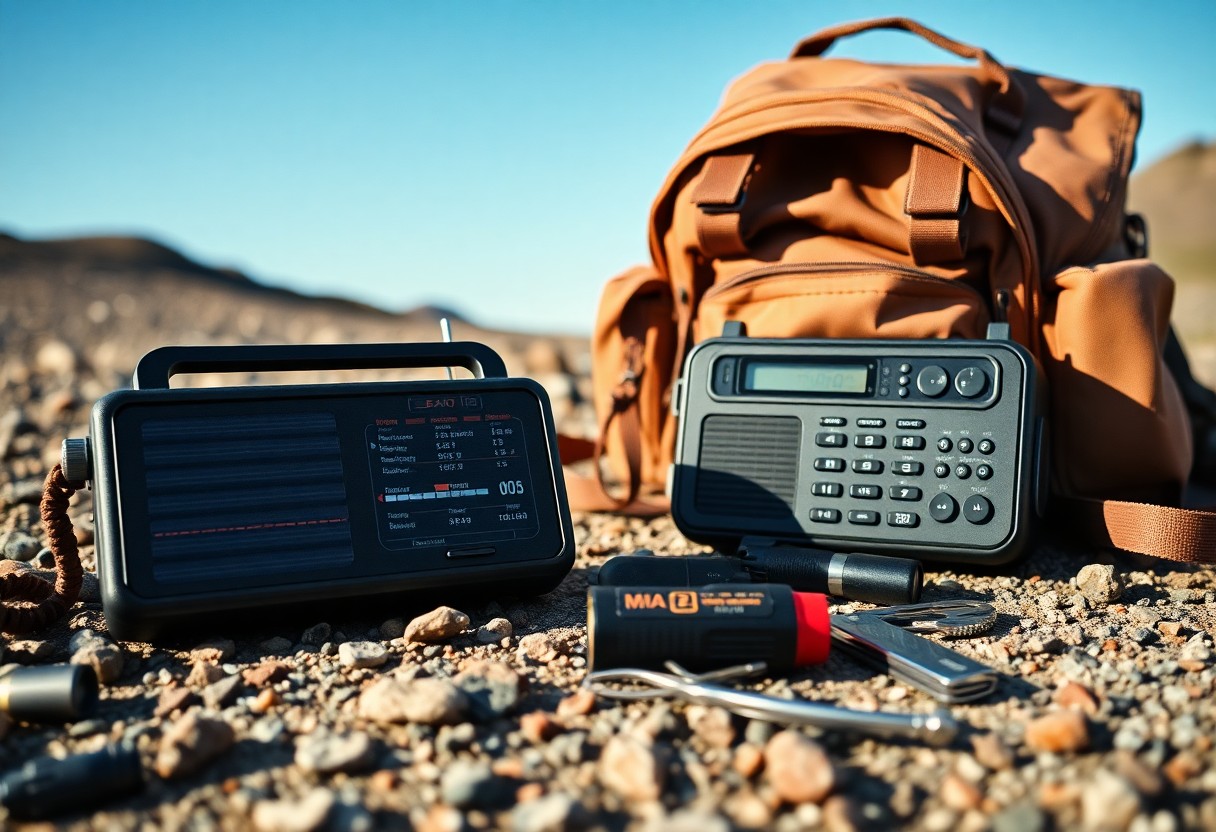
In emergency situations, you need a communication system you can depend on. Hand crank radios often prove reliable since they operate independently of external power sources. In contrast, solar radios rely on sunlight, which may be scarce during a crisis. Understanding these differences is vital for ensuring you stay connected when it matters most.
Durability in Extreme Conditions
Hand crank radios typically excel in harsh environments due to their rugged design, making them less prone to damage from drops or impacts. Their mechanical components require minimal maintenance, ensuring functionality during extreme weather. Solar radios, while versatile, may have more fragile solar panels that can crack or become less efficient in cloudy conditions. Choosing the right model can significantly impact your preparedness.
Battery Longevity and Sustainability
Battery longevity varies greatly between hand crank and solar radios. Hand crank models often rely on rechargeable batteries that can last for years with proper care. Solar radios may attract users with the promise of sustainability, but their reliance on sunlight can lead to inconsistent performance if solar energy is limited. Assessing your environment and energy access will guide your choice effectively.
Solar radios typically come equipped with lithium-ion batteries, which can last several years but often require optimal conditions for efficient charging. If the weather is unfavorable or sun exposure is limited, you may find your solar radio faltering just when you need it most. On the other hand, hand crank radios give you direct control over energy generation; as long as you have the physical ability to crank, you can ensure communication. This reliability during extended emergencies often makes hand crank models a preferred option, particularly in unpredictable situations where every ounce of preparedness counts.
User Accessibility: Ease of Operation in Emergencies
In emergency situations, user accessibility determines how quickly and effectively you can access vital information. Radios with intuitive designs and straightforward controls facilitate immediate communication during pressing circumstances. A streamlined interface allows for quick adjustments to frequency settings, volume, and power sources, eliminating confusion and enabling you to focus on survival rather than operation. Effective labeling and auditory cues further enhance the ease of use for anyone, regardless of experience level.
User-Friendly Features of Hand Crank Radios
Hand crank radios typically incorporate ergonomic designs, allowing you to charge the device easily even in stressful situations. Many models feature built-in flashlights and emergency signal alerts, enhancing their practicality during power outages. Additionally, tactile buttons and simple dials help you quickly switch between functions, making them particularly accessible when time is of the essence. Many hand crank radios also provide visual feedback with battery level indicators, ensuring that you stay informed about your device’s status.
Solar Radio Usability Factors: Location and Sun Exposure
Your solar radio’s effectiveness heavily depends on its location and the amount of sunlight available. In shaded or indoor areas, solar panels might struggle to generate sufficient energy for operation, particularly in overcast conditions. Understanding the geographic locale can influence your choice; living in areas with frequent sunshine ensures that your solar device remains functional during emergencies. Positioning solar radios wisely, such as on windowsills or outdoor spaces, maximizes their efficiency and prolongs battery life.
- Available sunlight determines charging efficiency for solar radios.
- Optimal exposure includes direct sunlight without obstructions.
- Consider climate, as persistent cloud cover impacts performance.
- Assume that placing the radio strategically can enhance potential operational time.
For maximum efficacy, locate your solar radio where sunlight is consistently available. Avoid placing it near obstructions like trees or buildings that block direct rays, especially during critical hours of sunlight. Regularly check the radio’s solar panel for dust or debris that could impede energy absorption. If feasible, invest in adjustable mounts or stands that allow you to reposition it throughout the day to follow the sun’s pathway, ensuring optimal charging conditions. Assume that a well-positioned solar radio can sustain functionality long after traditional power sources fail.
- Solar panels need direct sunlight to maximize charging.
- Regular maintenance of solar panels enhances longevity.
- Utilizing portable stands allows for flexible positioning.
- Assume that understanding your environment is key to effective use of solar radios.
Cost Analysis: Investing in Your Safety
A comprehensive cost analysis is vital when choosing between hand crank and solar radios for emergency communication. Although initial costs vary, understanding long-term value helps ensure you make an informed decision. Evaluating your needs against potential expenses can reveal which type of radio aligns best with your budget and safety priorities.
Initial Purchase Costs and Long-Term Value
Hand crank radios typically have a lower upfront cost, ranging from $20 to $60, while solar radios may start around $50 and can go above $100 depending on features. However, the long-term value of solar radios often surpasses the initial price, as their reliance on renewable energy sources makes them more sustainable over time.
Maintenance and Replacement Considerations
Maintenance plays a significant role in the overall cost of your emergency radio. Hand crank models require regular mechanical upkeep, while solar radios, with fewer moving parts, generally demand less frequent servicing. However, battery replacement for solar models may incur costs over time, particularly if you rely on them extensively.
Focusing on maintenance and replacement considerations offers a clearer picture of your long-term investment. Hand crank radios can be robust but may require parts to be replaced after extensive use, such as the internal dynamo. Solar radios, while often more reliable, rely on solar panels and rechargeable batteries that can degrade. Monitoring battery health and following care guidelines can extend the life of your solar device, potentially minimizing the need for early replacement, which adds to the overall financial outlook. Evaluating these factors ensures your choice best supports your safety in emergencies without causing unexpected expenses down the line.
Real-World Applications: Stories from the Field
In recent natural disasters, both hand crank and solar radios have proven vital in keeping communities informed. After Hurricane Harvey, residents relied heavily on hand crank radios to receive updates when power was out for days. Conversely, following extensive wildfires in California, solar radios were observed in use at evacuation centers, providing continuous information as the sun recharged them. These experiences illustrate how each system serves varying needs in crisis situations, highlighting their unique benefits in times of demand.
Successful Emergency Communication with Each System
Following a minor earthquake in Southern California, families reported using hand crank radios to access emergency broadcasts when power lines were down. Their portability and ability to function without batteries made them reliable in this scenario. On the other hand, during prolonged drought conditions in South Texas, solar radios became valuable tools at community centers, ensuring residents stayed connected with NOAA weather alerts, particularly as sunlight was plentiful.
Lessons Learned from Disasters: Hand Crank vs. Solar
Evaluating real-world scenarios highlights distinct advantages for each radio type during emergencies. Hand crank radios excelled in immediate situations without power, while solar radios thrived in environments with consistent sunlight, reflecting the need for versatility in preparation. Understanding local conditions is vital for making informed choices about emergency communication tools.
During the Northeast blizzards, residents faced long power outages, showcasing the reliability of hand crank radios as crucial lifelines. As many struggled to find a power source for their devices, hand crank radios provided a simple yet effective solution for accessing vital information. Contrastingly, regions with ample sunlight, such as in coastal areas during fall storms, saw solar radios perform exceptionally well, continually broadcasting updates. These experiences underscore the necessity of evaluating geographical and situational factors before deciding on your emergency communication system, as each system offers unique benefits tailored to specific needs.
Summing up
On the whole, when choosing between a hand crank and a solar radio for emergency communication systems, you should consider your specific needs and the conditions you expect to face. Hand crank radios offer reliability in any weather, ensuring you can generate power when necessary. In contrast, solar radios provide a sustainable solution if exposed to sunlight. Evaluating your environment, available resources, and desired features will help you make the best decision for effective emergency communication.
FAQ
Q: What is the primary advantage of a hand crank radio over a solar radio in emergency situations?
A: Hand crank radios provide a reliable power source that does not depend on sunlight, making them useful in various weather conditions and during prolonged emergencies when solar charging may not be feasible.
Q: How long can a hand crank radio function on a single cranking session?
A: Most hand crank radios can operate for 15 to 30 minutes of audio playback with just one minute of cranking, depending on the model and battery capacity.
Q: Are solar radios effective in all geographical locations for emergency communication?
A: Solar radios are most effective in areas with ample sunlight. In regions with frequent cloud cover or storms, their reliability may decrease compared to hand crank models.
Q: Can both hand crank and solar radios receive standard emergency broadcasts?
A: Yes, both hand crank and solar radios are typically designed to receive AM, FM, and NOAA weather bands, providing access to emergency alerts and information.
Q: Which radio type is generally more portable and user-friendly for non-technical users?
A: Hand crank radios tend to be simpler to use since they require no setup or installation compared to solar radios, which may need specific placement to maximize solar exposure.
Author


Owala FreeSip Sway Stainless Steel Water Bottle 30 oz Out of the Blue
$34.99 (as of September 15, 2026 17:21 GMT +00:00 – More infoProduct prices and availability are accurate as of the date/time indicated and are subject to change. Any price and availability information displayed on [relevant Amazon Site(s), as applicable] at the time of purchase will apply to the purchase of this product.)
Dragon Shield | Standard Size Card Matte Sleeves | 100 CT – Smooth & Tough Premium TCG Sleeves | Compatible with Pokemon, Flesh & Blood, One Piece & Magic the Gathering | Black
$11.99 (as of September 15, 2026 17:44 GMT +00:00 – More infoProduct prices and availability are accurate as of the date/time indicated and are subject to change. Any price and availability information displayed on [relevant Amazon Site(s), as applicable] at the time of purchase will apply to the purchase of this product.)
Renoj Resistance Bands for Working Out, 5 Levels Pull Up Assistance Bands Set for Workout, Exercise, Home Gym & Strength Training
$17.98 (as of September 15, 2026 17:44 GMT +00:00 – More infoProduct prices and availability are accurate as of the date/time indicated and are subject to change. Any price and availability information displayed on [relevant Amazon Site(s), as applicable] at the time of purchase will apply to the purchase of this product.)
Owala Princess FreeSip Stainless Steel Water Bottle 24 oz Cinderella
$54.99 (as of September 15, 2026 17:21 GMT +00:00 – More infoProduct prices and availability are accurate as of the date/time indicated and are subject to change. Any price and availability information displayed on [relevant Amazon Site(s), as applicable] at the time of purchase will apply to the purchase of this product.)

Leave a Reply