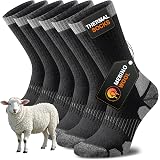
Niorasen Merino Wool Socks for Men & Women, Thermal Winter Crew Warm Socks | seamless toe and cushioned comfort, ideal for cold weather, work boots, hiking and holiday stocking stuffers, gift
$14.99 (as of September 15, 2026 17:44 GMT +00:00 – More infoProduct prices and availability are accurate as of the date/time indicated and are subject to change. Any price and availability information displayed on [relevant Amazon Site(s), as applicable] at the time of purchase will apply to the purchase of this product.)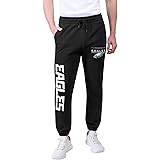
Ultra Game Men’s NFL Official Super Soft Game Day Jogger Sweatpants
$33.99 (as of September 15, 2026 17:44 GMT +00:00 – More infoProduct prices and availability are accurate as of the date/time indicated and are subject to change. Any price and availability information displayed on [relevant Amazon Site(s), as applicable] at the time of purchase will apply to the purchase of this product.)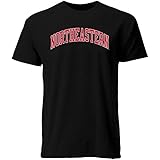
Barnesmith Short Sleeve T-Shirt with Classic Arch Logo, Adult Unisex
$25.95 (as of September 15, 2026 17:21 GMT +00:00 – More infoProduct prices and availability are accurate as of the date/time indicated and are subject to change. Any price and availability information displayed on [relevant Amazon Site(s), as applicable] at the time of purchase will apply to the purchase of this product.)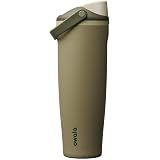
Owala FreeSip Sway Stainless Steel Water Bottle 40 oz Off Road
$44.99 (as of September 15, 2026 17:44 GMT +00:00 – More infoProduct prices and availability are accurate as of the date/time indicated and are subject to change. Any price and availability information displayed on [relevant Amazon Site(s), as applicable] at the time of purchase will apply to the purchase of this product.)
Barnesmith Short Sleeve T-Shirt, Unisex, Heritage Logo, NCAA Colleges
$25.95 (as of September 15, 2026 17:21 GMT +00:00 – More infoProduct prices and availability are accurate as of the date/time indicated and are subject to change. Any price and availability information displayed on [relevant Amazon Site(s), as applicable] at the time of purchase will apply to the purchase of this product.)Houston’s unique climate challenges demand that you be ready for floods, hurricanes, and intense heatwaves. Whether you’re in a suburban neighborhood or an urban apartment, your preparation can make all the difference in safety and comfort. This guide will provide practical tips on waterproof gear, elevated storage, off-grid power solutions, and effective cooling strategies so you can confidently protect yourself and your family during extreme weather events common to the greater Houston area.
Key Takeaways:
- Invest in high-quality waterproof gear and elevate important belongings to protect against flood damage in urban homes.
- Develop an off-grid power plan suitable for apartment living, including compact solar setups and battery backups to maintain crucial energy during outages.
- Implement blackout-proof cooling methods, such as battery-powered fans and thermal curtains, to stay safe during Houston’s intense heatwaves.
- Store fuel and generators safely and efficiently in small urban spaces, following local regulations to minimize risk and maximize preparedness.
- Familiarize yourself with local flood zones, shelter locations, and supply routes to streamline evacuation and resource access when hurricanes or floods occur.

The Stark Reality of Houston’s Weather Threats
Houston’s unique geography and climate place you in the crosshairs of severe weather events, with flooding, hurricanes, and intense heatwaves regularly testing the resilience of urban and suburban homes. The area’s flat terrain combined with rapid urban development intensifies stormwater runoff, making flooding a persistent threat. Meanwhile, power outages often follow these events, challenging your ability to stay safe and comfortable. Understanding this reality helps you tailor your preparedness strategies, from choosing reliable waterproof gear to creating off-grid power setups suited for tight apartment spaces.
Examining Historical Flooding Patterns
Historic flood data shows Houston’s vulnerability stems from its sprawling waterways and inadequate drainage in some neighborhoods. Tropical Storm Allison in 2001 and Hurricane Harvey in 2017 dumped over 50 inches of rain in certain areas, overwhelming local infrastructure. You may find that areas once considered safe now face higher flood risks due to increased precipitation intensity and land development. Familiarizing yourself with these flood zones and identifying elevated storage options can protect your valuables from unexpected water damage.
The Rising Frequency of Hurricanes
The Gulf Coast has witnessed an uptick in hurricane activity over the past two decades, with storms intensifying rapidly in warmer waters. Harvey, for example, stalled over Houston, producing catastrophic flooding and prolonged power outages. Preparing for more frequent, stronger hurricanes means reevaluating emergency supplies and evacuation plans, as well as investing in robust off-grid power alternatives that keep you powered when the grid fails.
In addition to sheer frequency, Houston faces the challenge of hurricanes that stall or slow significantly, increasing rainfall and flood damage. You might notice that storms like Ike in 2008 and Hurricane Laura in 2020 brought not only strong winds but also severe flooding and power disruptions due to their persistent presence. This trend amplifies the need to store fuel safely in urban spaces and implement cooling strategies to withstand heatwaves when power remains out for days after a hurricane’s passage.
Gear Up: The Must-Haves for Water Resilience
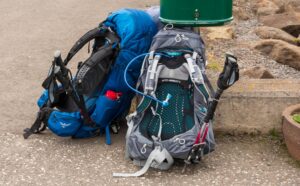
Floodwaters in Houston can rise unexpectedly, so having the right gear ready makes all the difference. Durable waterproof boots, heavy-duty rain jackets, and quick-dry clothing form the foundation of your wardrobe during storms. Waterproof backpacks and dry bags protect electronics and documents while you navigate flooded streets. Portable water filters and collapsible water containers help ensure safe hydration when municipal supplies get compromised. Layering these crucials with compact first aid kits and emergency radios keeps you prepared, mobile, and connected amid uncertain conditions.
Waterproof Essentials: What to Stock Up On
Stock up on items like ANSI-rated waterproof boots, water-resistant gloves, and sealed waterproof cases for devices. Clear plastic waterproof bags with zip locks safeguard paperwork and cash. Invest in quality rain ponchos designed for extended use rather than cheap disposable ones, as they hold up better in Houston’s torrential rains. Battery-operated lanterns and handheld radios with waterproof seals ensure access to crucial information during floods and power outages.
Elevated Storage Solutions for Urban Life
Elevate your belongings using stackable plastic bins with tight-fitting lids, placed on sturdy shelving units at least 18 inches off the floor to avoid flood damage. Consider waterproof under-bed storage containers or wall-mounted shelves to maximize vertical space, especially in apartments. Secure heavy items to prevent shifting during floods or after strong winds, and label all containers clearly for quick access during emergencies.
In urban apartments where space is often limited, elevated storage plays a vital role in reducing flood impact on your possessions. Modular shelving systems designed for high humidity environments resist mold and rust, making them ideal for Houston’s climate. Using furniture risers to lift dressers and cabinets can protect valuables stored inside without sacrificing floor space. For items that must stay low, waterproof liners beneath storage containers add an additional layer of protection during flash flooding, common in many Houston neighborhoods. Prioritize crucial documents, electronics, and sentimental items in these elevated spots to minimize loss.
Powering Through the Chaos: Off-Grid Solutions for Small Spaces
In Houston’s tight urban apartments, squeezing in off-grid power setups demands creativity. Compact solar panels on balconies, paired with battery banks tucked under beds or closets, keep crucial devices running during outages. Prioritize energy-efficient LEDs, USB chargers, and mini-fridges to stretch limited power. Combining solar with a small inverter or a propane generator provides backup when storms block the sun. This layered approach supports your needs without overwhelming your living space, helping you stay powered even when the grid fails.
Designing a DIY Off-Grid Power System
Start by calculating your crucial power load—think phone chargers, a laptop, and a small fan—then select a solar panel system sized around 200-400 watts for most urban apartments. Pair this with a lithium-ion battery pack or AGM deep-cycle batteries capable of storing 1-2 kWh for overnight use. Charge controllers and inverters tailored to your setup keep energy flow efficient and safe. Opt for modular components so you can expand capacity after Harvey-like events without a full redo.
Essential Generator and Fuel Storage Tips
Choose a compact inverter generator, ideally under 3,000 watts, to balance power and portability. Store fuel in approved, sealed containers away from living areas—garage shelves elevated 12 inches reduce flood risk. Keep fuel fresh by rotating supplies every six months and using stabilizers. Label containers with purchase dates and always maintain a half-full reserve. Store generators on pallets or shelving above likely flood levels. Perceiving storage as an ongoing task helps avoid emergency pitfalls and keeps your system ready.
Generator and fuel storage require careful attention due to Houston’s flood and hurricane patterns. Floodwaters can render stored gasoline unreachable or contaminate fuels, decreasing reliability when you need them most. Using high-grade containers designed for urban environments prevents leaks and fire hazards. Position generators near ventilation points to avoid carbon monoxide buildup indoors. Fuel quantity should align with expected outage durations, typically 24-48 hours, but keep extra for extended blackouts. Perceiving storage from a flood resilience and safety lens ensures you don’t compromise when power restoration is delayed.
- Use solid, sealed, and clearly marked fuel containers approved for gasoline storage
- Inspect containers routinely and rotate fuel every six months with stabilizers
- Elevate both fuel and generators at least 12 inches to avoid flood damage
- Ensure adequate ventilation for running generators, ideally outdoors or near windows
- Perceiving regular maintenance and storage as critical keeps your system dependable when storms hit
Surviving the Searing Heat: Blackout-Proof Cooling Strategies
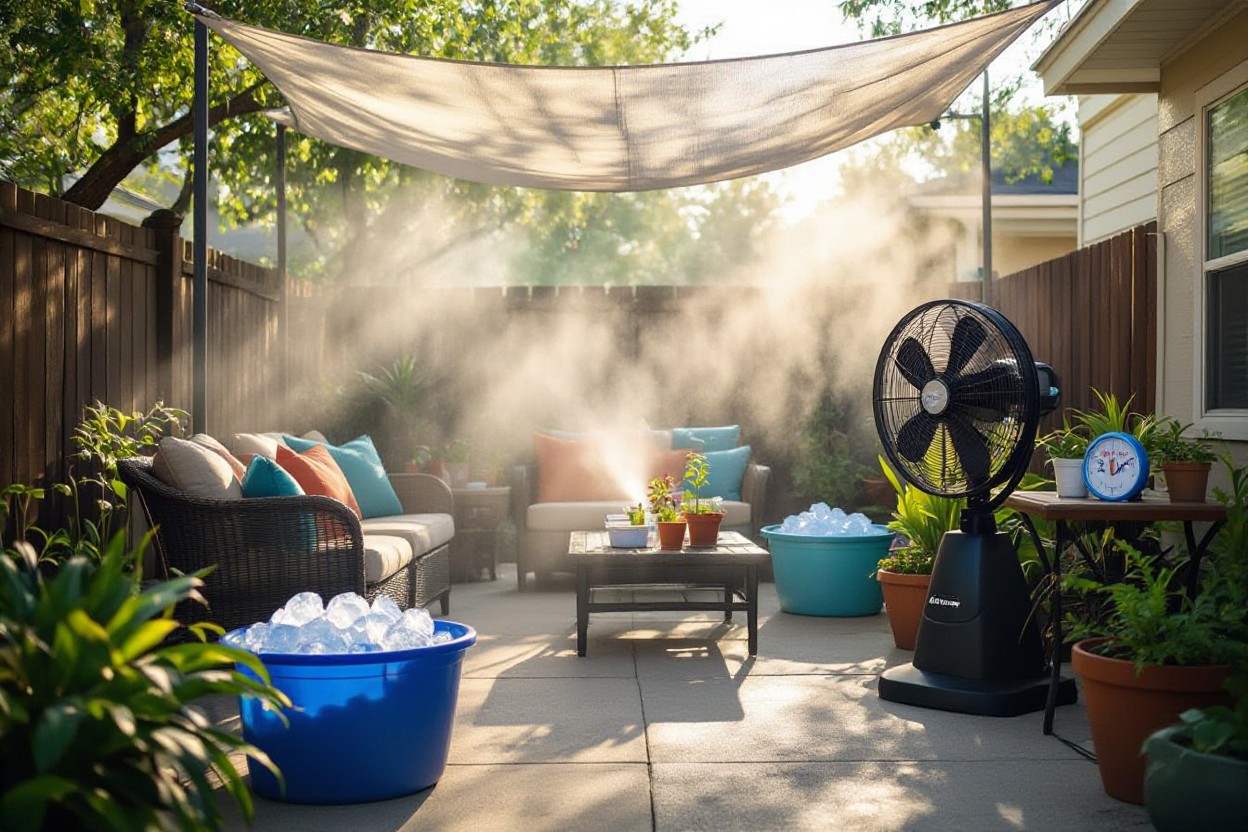
Houston’s heatwaves can intensify quickly, often coinciding with widespread power outages after hurricanes or flooding. Preparing blackout-proof cooling solutions means relying less on traditional air conditioning and more on alternative methods that keep you safe indoors. Strategic use of fans paired with ice packs, window coverings that block heat, and setting up cross-ventilation using multiple windows can drop indoor temperatures by several degrees without electricity. Elevating your cooling tactics ensures comfort even when the grid fails.
Cost-Effective Cooling Methods During Heatwaves
Simple adjustments like installing reflective window films or using thermal curtains can cut indoor heat by up to 30%. Operating battery-powered fans during peak heat hours and soaking cloth towels in cool water to drape over your skin keeps your body temperature down affordably. Utilizing a DIY swamp cooler made with a shallow pan, ice, and a small fan can also provide noticeable relief without high energy bills or fuel for generators.
Portable Solutions for Emergency Situations
Compact, battery-operated fans and rechargeable misting devices offer flexible cooling when power is out. Solar-powered air circulators can keep air moving during extended outages. For those living in apartments, handheld personal cooling devices like neck fans or wearable cooling vests help manage heat on the go. Charging these ahead of heatwaves using portable solar panels enhances your readiness without depending on grid electricity.
Expanding on portable emergency cooling, solar-charged fans with USB connectivity let you recharge via power banks or small solar panels, making them ideal for multi-day heat spells without electricity. Rechargeable misting devices also use minimal water and battery power to lower skin temperature instantly. Wearables such as evaporative cooling scarves or vests leverage humidity and airflow to reduce thermal stress during intense heat. These tools’ compact sizes and low power needs tailor well to small urban homes or apartments, where space and fuel storage remain limited yet heat resilience is necessary.
Navigation and Safety: Understanding Local Shelters and Flood Zones
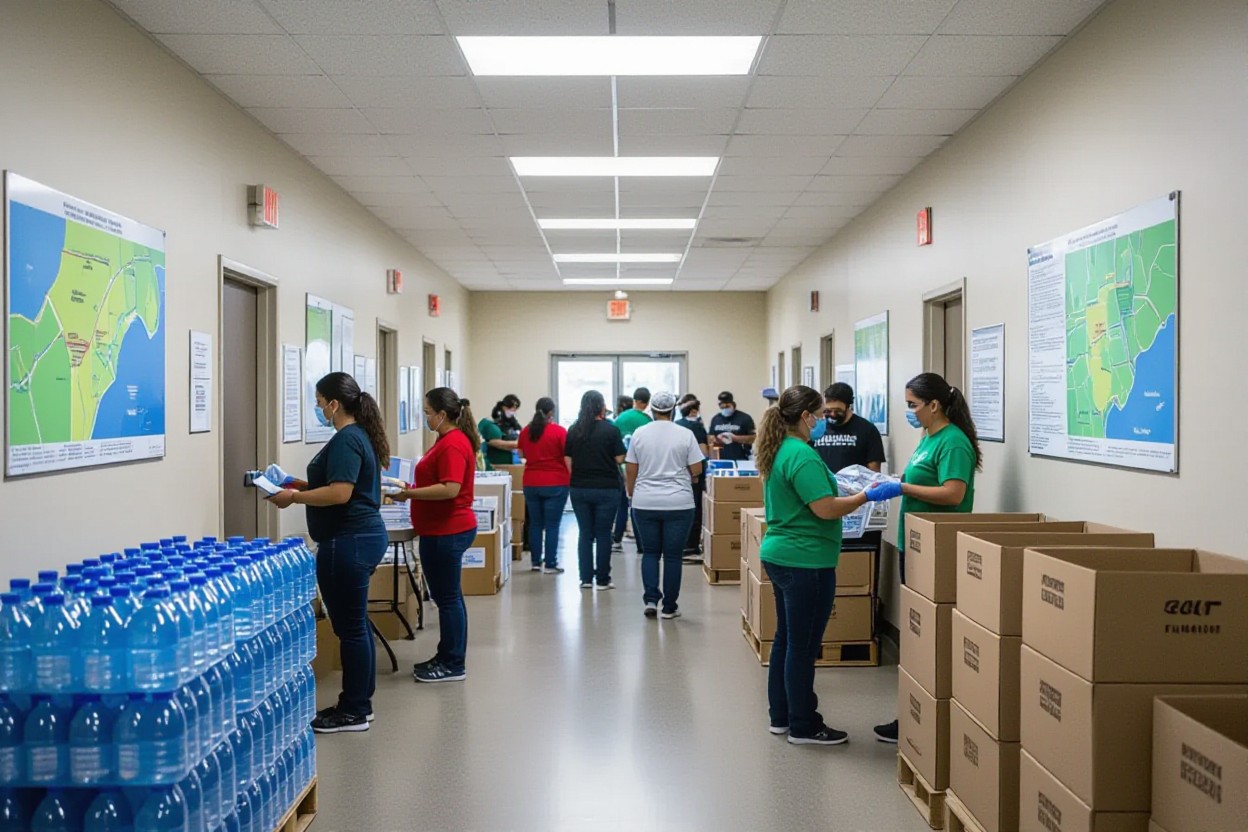
Knowing the locations of designated shelters within Houston and pinpointing flood-prone zones nearby can shape your evacuation and safety plans significantly. Flood zones like those along Buffalo Bayou and portions of southwest Houston have repeatedly recorded high water levels during storms like Harvey. Familiarize yourself with shelters such as the George R. Brown Convention Center and neighborhood centers that open during emergencies, noting their capacity and accessibility. This awareness helps prevent last-minute scrambling and ensures you reach safe locations swiftly if flooding threatens your area.
Mapping Your Escape Routes and Resources
Plot multiple evacuation routes from your home to shelters while accounting for road closures common during heavy flooding. Consider alternatives to main highways, including secondary roads less prone to congestion or inundation. Map local supply points—like grocery stores, pharmacies, and gas stations—that remain open during emergencies, especially those outside flood zones. Coordinate with neighbors to identify meet-up spots and share resources, which strengthens your network of support when usual infrastructure falters.
Staying Informed: Reliable Weather Reporting
Tune into sources like the National Weather Service’s Houston office and local stations KPRC 2 and KHOU 11 for timely alerts. Mobile apps such as FEMA and Weather.gov provide push notifications for flash flood warnings and evacuation orders. Keeping your phone charged or having a weather radio with battery backup ensures continuous updates, even amid power outages common during storms and heatwaves. Reliable information guides decisions on when to shelter in place or evacuate.
For continuous updates, leverage NOAA Weather Radio All Hazards devices for uninterrupted emergency broadcasts, which proved invaluable during Hurricane Harvey’s prolonged impact. Houston’s Office of Emergency Management also maintains social media channels and text alert systems tailored to neighborhood conditions. Integrating these resources with real-time radar tracking apps like RadarScope or AccuWeather lets you anticipate weather patterns, avoid hazards, and plan your moves proactively rather than reactively under pressure.
Final Words
On the whole, preparing for floods, hurricanes, and heatwaves in Houston requires thoughtful planning and practical steps tailored to your urban or suburban environment. By equipping yourself with waterproof gear, creating elevated storage solutions, and establishing reliable off-grid power options, you strengthen your readiness. Understanding local shelters, flood zones, and supply routes enables you to stay safe during emergencies. With these strategies, you can protect your home and family, ensuring greater resilience against the challenges Houston’s weather may bring.
FAQ
Q: What are the most effective waterproof gear options for protecting my belongings during floods in Houston?
A: For flood protection, opt for high-quality waterproof dry bags and heavy-duty plastic storage bins with tight-sealing lids. Use waterproof backpacks or duffel bags made from materials like TPU or PVC for personal items. Additionally, sealing important documents and electronics in smaller waterproof pouches before placing them in larger containers helps prevent water damage. Elevate your storage by placing these containers on shelves or sturdy furniture above typical flood levels to minimize exposure.
Q: How can I create an off-grid power solution suitable for an apartment in Houston?
A: In an apartment setting, space-saving off-grid power options include compact solar panel kits paired with portable power stations or lithium-ion battery packs. These systems can charge crucial devices and small appliances during outages. Consider solar panels that can be installed on balconies or windows, ensuring compliance with building regulations. Having a supply of portable USB power banks and rechargeable lanterns also adds layers of preparedness without the need for large equipment.
Q: What strategies can help urban residents stay cool during a Houston heatwave without power?
A: To maintain comfort during a blackout heatwave, use battery-operated fans and cooling towels. Create cross-ventilation by opening windows on opposite sides when outdoor temperatures are lower, such as during early mornings or late evenings. Wearing lightweight, moisture-wicking clothing and staying hydrated are crucial. Placing damp cloths on the skin or using a spray bottle with water can help provide relief. Additionally, setting up indoor plants may aid in regulating humidity and temperature.
Q: How should fuel and generators be stored safely in small urban homes?
A: Store fuel in approved, clearly labeled containers designed specifically for gasoline or propane. Keep these containers in a well-ventilated area away from living spaces, ignition sources, and direct sunlight. If indoor storage is necessary, use a metal safety cabinet or a storage locker compliant with local fire codes. Generators should be operated outdoors or in well-ventilated spaces to avoid carbon monoxide risks, and regular maintenance ensures reliable performance during emergencies.
Q: Where can Houston residents find local flood zone maps, emergency shelters, and supply routes during hurricanes or flooding?
A: Local flood zone maps are available through the City of Houston’s official website and the Harris County Flood Control District. During emergencies, the Houston Office of Emergency Management provides real-time information on designated shelters and evacuation supply routes via their online platforms and social media channels. Subscribing to local alert systems like HFIRE and using apps such as FEMA and Ready Houston can also keep residents informed on evolving neighborhood risks and resource locations.
Author

Reaction Tackle Braided Fishing Line – Pro Grade Power Performance for Saltwater or Freshwater Fish – Colored Fishing Line Braid for Extra Visibility
$11.98 (as of September 15, 2026 17:21 GMT +00:00 – More infoProduct prices and availability are accurate as of the date/time indicated and are subject to change. Any price and availability information displayed on [relevant Amazon Site(s), as applicable] at the time of purchase will apply to the purchase of this product.)
EA SPORTS College Football 27 – Standard Edition PS5 |Disc I VideoGame
$63.14 (as of September 15, 2026 17:44 GMT +00:00 – More infoProduct prices and availability are accurate as of the date/time indicated and are subject to change. Any price and availability information displayed on [relevant Amazon Site(s), as applicable] at the time of purchase will apply to the purchase of this product.)
Zubaz NFL Baltimore Ravens Men’s Long Sleeve Tee, Large, Gray
$49.99 (as of September 15, 2026 17:44 GMT +00:00 – More infoProduct prices and availability are accurate as of the date/time indicated and are subject to change. Any price and availability information displayed on [relevant Amazon Site(s), as applicable] at the time of purchase will apply to the purchase of this product.)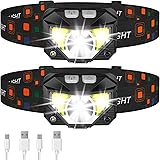
LHKNL Headlamp Flashlight, Lumen Bright Head Lamps LED Rechargeable Camping | Ultra-Light, with White Red Light, 2-Pack Waterproof Motion Sensor Headlight, 8 Modes for Outdoor Running Hiking Fishing
$19.99 (as of September 15, 2026 17:44 GMT +00:00 – More infoProduct prices and availability are accurate as of the date/time indicated and are subject to change. Any price and availability information displayed on [relevant Amazon Site(s), as applicable] at the time of purchase will apply to the purchase of this product.)

Leave a Reply