
Hydro Flask Water Bottle – Insulated Stainless Steel – Non Spill, Leakproof in 24 Oz Deep Teal
$39.95 (as of October 31, 2026 22:03 GMT +00:00 – More infoProduct prices and availability are accurate as of the date/time indicated and are subject to change. Any price and availability information displayed on [relevant Amazon Site(s), as applicable] at the time of purchase will apply to the purchase of this product.)
LifeStraw Peak Series – Personal Water Filter Straw for Backup Filtration, Emergency, Survival, and Ultralight Hydration, BPA-Free, Dark Mountain Gray
(as of October 31, 2026 22:03 GMT +00:00 – More infoProduct prices and availability are accurate as of the date/time indicated and are subject to change. Any price and availability information displayed on [relevant Amazon Site(s), as applicable] at the time of purchase will apply to the purchase of this product.)
Owala FreeSip Stainless Steel Water Bottle 24 oz Desert Smoke
$24.93 (as of October 31, 2026 22:03 GMT +00:00 – More infoProduct prices and availability are accurate as of the date/time indicated and are subject to change. Any price and availability information displayed on [relevant Amazon Site(s), as applicable] at the time of purchase will apply to the purchase of this product.)
LHKNL Headlamp Flashlight, Lumen Bright Head Lamps LED Rechargeable Camping | Ultra-Light, with White Red Light, 2-Pack Waterproof Motion Sensor Headlight, 8 Modes for Outdoor Running Hiking Fishing
$19.99 (as of October 31, 2026 22:03 GMT +00:00 – More infoProduct prices and availability are accurate as of the date/time indicated and are subject to change. Any price and availability information displayed on [relevant Amazon Site(s), as applicable] at the time of purchase will apply to the purchase of this product.)
DaMaiTeMai 2027 New 3 in 1 Winter Hat, Fleece Double‑Layer Integrated Hat | 3-in-1 Face & Neck Gaiter, Unisex Winter Fleece Balaclava Hood, Adjustable Windproof Designed for Cycling, Skiing and Cold
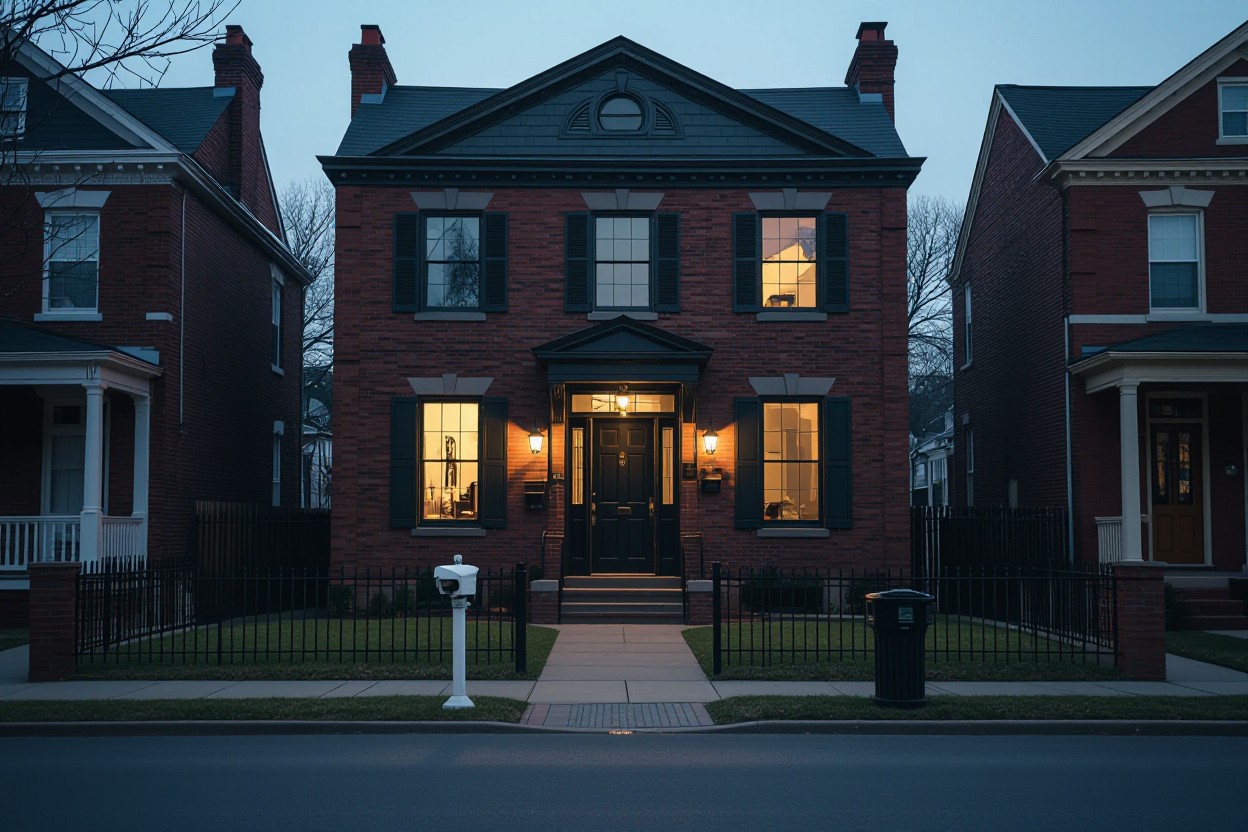
$19.97 (as of October 31, 2026 22:03 GMT +00:00 – More infoProduct prices and availability are accurate as of the date/time indicated and are subject to change. Any price and availability information displayed on [relevant Amazon Site(s), as applicable] at the time of purchase will apply to the purchase of this product.)Just living and working in Washington DC means you face unique challenges when it comes to preparedness, given the area’s heightened security risks and potential for civil unrest. You need strategies tailored to dense urban environments, including safe shelter-in-place methods, reliable communication options during power outages, and practical escape routes. By focusing on how to protect your family in such a high-profile location, you can effectively navigate legal considerations and make informed decisions that enhance your resilience in unpredictable situations.
Key Takeaways:
- Familiarize yourself with secure shelter-in-place methods tailored for urban apartments, focusing on minimizing exposure during civil unrest or infrastructure disruption.
- Maintain multiple communication tools, including battery-powered radios and encrypted messaging apps, to stay connected during potential grid shutdowns.
- Plan and regularly update escape routes and bug-out strategies that consider the dense layout and security checkpoints prevalent in Washington DC.
- Understand legal restrictions and guidelines for prepping activities within federal and government zones to avoid conflicts with local regulations.
- Leverage community networks among government employees and city workers to share resources and information during emergencies.
Assessing Urban Vulnerabilities: Risks Unique to Washington DC
Washington DC’s role as the nation’s capital places it at a distinct crossroads of risk. You navigate a city dense with federal agencies, monuments, and heavily patrolled zones, but also crowded residential neighborhoods. This blend intensifies threats like civil unrest that can escalate quickly, targeted terrorism against symbolic landmarks, and potential infrastructure failures that could cripple communication and transit. Identifying how these risks intersect with your daily routines, work locations, and transit paths sharpens your preparedness focus, especially as each scenario demands different response strategies in a city with stringent security presence and restricted movement corridors.
The Landscape of Civil Unrest
You face a city frequently hosting protests near federal buildings, the National Mall, and downtown areas. Past demonstrations, such as those during the 2020 racial justice protests, showed how swiftly peaceful assemblies can become volatile, with rapid deployment of law enforcement, blockades, and limited public transit access. Unrest often concentrates around Metro stations and key intersections, forcing you to anticipate route changes and adopt shelter-in-place plans in your urban apartment where guidance for minimizing exposure to tear gas and crowd violence becomes key.
The Threat of Terrorism and Targeted Attacks
With iconic federal buildings, embassies, and populous landmarks, DC remains a high-profile terrorism target. You must account for complex attack methods, from vehicle ramming seen in the 2017 attack near the Capitol grounds to potential threats against subway tunnels or power grids. Intelligence monitoring frequently heightens threat levels during major events, requiring you to stay alert to evolving security advisories and execute rapid communication and evacuation protocols suited to the city’s unique security environment.
Intelligence reports and DHS assessments consistently rank Washington DC among cities with highest terrorist risk due to its symbolic and operational importance. The 2013 marathon bombing in Boston, while not local, serves as a regional cautionary tale, demonstrating how public events can attract lone-wolf actors or coordinated teams. Your prepping plan benefits from integrating neighborhood watch alerts, federal security bulletins, and securing multiple communication lines beyond cellular networks. Considering underground subway vulnerabilities and the dense concentration of potential targets helps tailor your incident response and bug-out plans effectively.
Navigating Prepping Protocols in High-Security Areas
Operating within Washington DC’s secured federal zones demands strict adherence to security protocols and awareness of restricted items. You’ll face metal detectors, surveillance, and frequent ID checks that limit which prepping supplies can accompany you. Understanding these parameters allows you to discreetly build resilience without drawing attention, whether maintaining low-profile emergency kits or choosing communication tools compatible with operational security rules. Layering your prepping efforts between your workplace, residence, and public routes ensures flexibility amid evolving access restrictions during civil unrest or infrastructure disruptions.
Understanding Federal Regulations for Preparedness
Federal regulations in DC impose limits on possession of certain equipment, such as firearms, large fuel containers, or conspicuous survival gear within government buildings and controlled zones. Compliance with statutes like the District’s Firearm Control Regulations Act affects how you configure defensive tools. Licensing, permissible storage methods, and transparent reporting relate directly to prepping choices. Familiarity with these regulations helps you avoid penalties while tailoring your emergency supplies to acceptable standards aligned with federal and local law enforcement guidance.
Creating a Sustainable Emergency Plan
Develop an emergency plan that factors in restricted mobility due to road closures or heightened security checkpoints common in federal zones. Coordinate with trusted contacts nearby and identify safe shelter-in-place options within your urban apartment that include blackout curtains, filtered masks, and portable power solutions. Incorporate communication tools designed to operate during grid shutdowns, like hand-crank radios or encrypted messaging apps, and map escape routes that avoid major thoroughfares and federal checkpoints. The plan must pivot easily between shelter-in-place and bug-out scenarios dictated by evolving threats.
Given Washington DC’s dense urban layout and the prevalence of government security checkpoints, your emergency plan must emphasize layered flexibility. Establish fallback rendezvous points both inside and outside restricted zones to maintain contact if primary locations become inaccessible. Stockpile imperatives sized for quick retrieval to suit sudden changes in threat level. Backup power sources like compact solar chargers or rechargeable battery banks ensure communication tools remain operational through extended outages. Aligning your preparedness strategy with the city’s operational realities will increase your family’s safety even amid the highest alert scenarios.
Shelter-in-Place: Mastering the Art of Urban Defense
Securing your apartment in DC means creating a fortress within a high-profile environment prone to civil unrest and potential infrastructure failures. Reinforce entry points with security film and consider window coverings that block visibility while maintaining ventilation. Noise-dampening strategies can keep movements discreet during tense situations. Adequately trained in urban defense tactics, you’ll blend discretion with preparedness—key to maintaining safety without drawing unwanted attention in government zones where heightened security can be a double-edged sword.
Designing Safe Spaces in Apartment Living
Identify interior rooms without windows for a safe room, ideally close to plumbing for hygiene needs during extended lockdowns. Use heavy furniture and bookcases to create improvised barriers, and keep imperative tools like fire extinguishers and a first aid kit nearby. Incorporate multiple communication devices that function offline—such as a hand-crank radio and encrypted messaging apps—to stay informed and connected quietly. These adaptations turn typical apartments into secure urban strongholds optimized for unpredictable threats.
Essential Supplies for Lockdown Scenarios
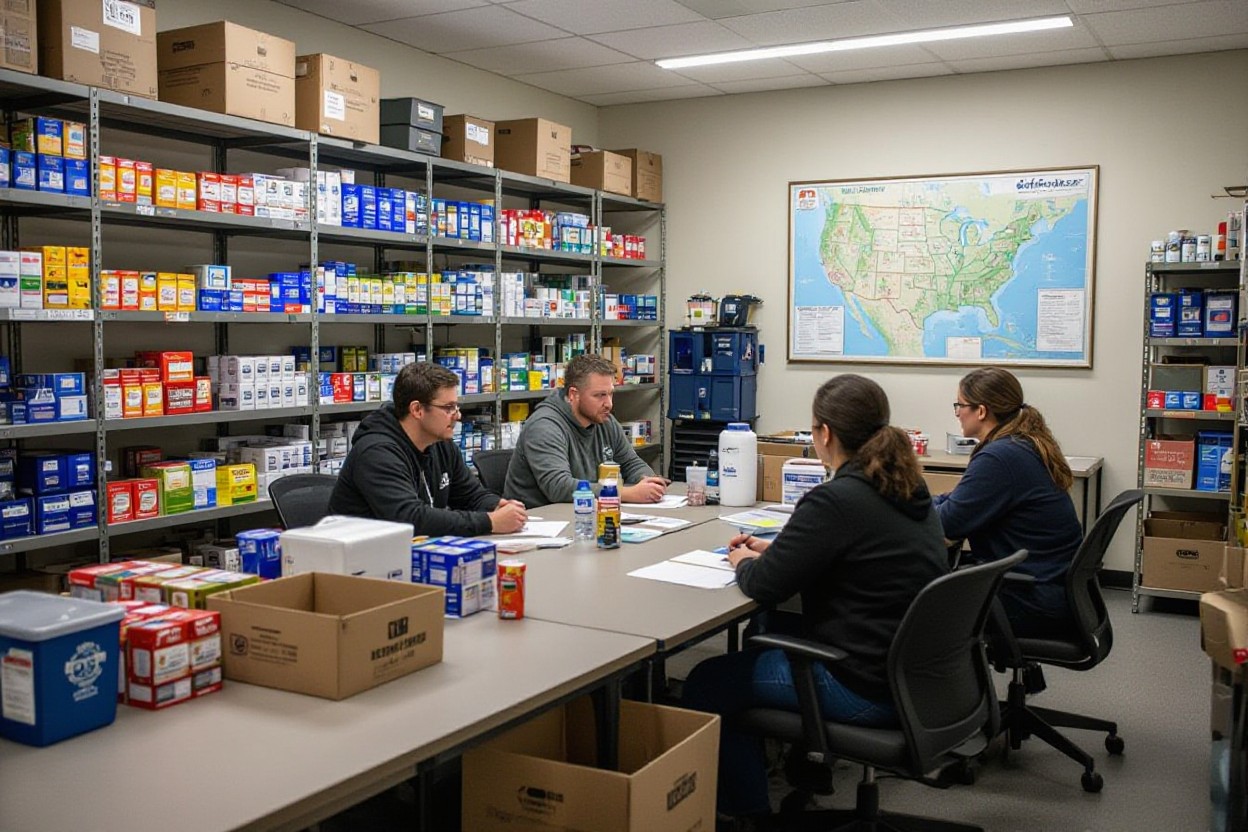
Your supply cache should include at least a two-week stock of water—about one gallon per person per day—non-perishable foods such as canned beans, freeze-dried meals, and high-calorie energy bars. A reliable multi-tool, charged power banks, and backup batteries ensure functionality of critical devices during power outages. Don’t overlook hygiene products and medications; in densely populated areas like DC, disruptions in pharmaceutical supply chains can last days or longer.
Beyond food and water, consider supply items that address the unique challenges posed by urban density and federal zone regulations. Masks and gloves mitigate airborne irritants or contaminants from civil disturbances, while dust masks with N95 ratings protect against debris. Compact sanitation kits and portable toilets accommodate sudden infrastructure breakdowns. Backup communication gear—including hand-crank chargers and signal boosters—facilitates contact when traditional networks are overwhelmed or shut down. Stocking these imperatives balances practicality with the intricacies of a high-security urban environment.
Communication Breakdown: Staying Connected During Crises
Power outages and network shutdowns are common during large-scale emergencies in DC, disrupting traditional communication lines. Having multiple ways to stay in touch—such as battery-powered radios, walkie-talkies, and offline messaging apps—helps maintain contact with family and coworkers. Additionally, leveraging government-approved encrypted devices or apps can be important within federal zones where security restrictions limit standard communication. In dense urban settings, the challenge lies in balancing signal reliability with operational discretion amid heightened surveillance and potential signal jamming.
Tools and Technologies for Effective Messaging
Offline mesh network apps like Briar or FireChat enable encrypted messaging without cellular service by connecting devices via Bluetooth or Wi-Fi Direct. HAM radios remain a reliable fallback, especially for federal employees with license access. Handheld GMRS radios provide decent range for neighborhood communication but require proper licensing in DC. Solar chargers and power banks keep your devices operational during long outages. Prioritizing tools that operate independently from internet infrastructure protects you when the grid goes down or authorities restrict digital traffic.
Establishing a Family Communication Plan
Define clear rendezvous points and backup contacts outside the immediate DC metro area to avoid urban congestion. Assign roles for who sends updates and at what intervals if regular communication falters. Incorporate both digital and analog methods like pre-written messages or message-in-a-bottle techniques for situations where devices fail. Establish signal codes or keywords understood by all family members to convey status discreetly, enhancing security during civil unrest or infrastructure breakdowns.
Going beyond a basic contact list, your family communication plan should include mapped escape routes, check-in windows, and contingency strategies for varied scenarios—from a short-term power failure to extended grid blackouts. Consider creating physical copies of emergency numbers and plans stored in waterproof containers spread at trusted locations. Holding regular drills familiarizes everyone with procedures. Coordination with neighbors and local community groups further expands your communication net, providing redundancy and greater situational awareness in Washington DC’s complex urban landscape.
Emergency Escapes: Planning Routes in a Dense Urban Environment
Escaping a high-profile urban center like Washington DC requires route planning that accounts for potential blockades, crowd bottlenecks, and checkpoints near federal buildings. Identifying multiple paths—on foot and by vehicle—through less-traveled side streets, alleys, or public parks can bypass main arteries prone to congestion. Incorporate landmarks, such as Metro stations or iconic monuments, as navigational aids when GPS fails, and factor in contingencies for infrastructure disruptions affecting bridges and tunnels. Practicing these routes regularly ensures you can adapt fluidly under stress, increasing your odds of reaching safety swiftly.
Mapping Out Safe Evacuation Paths
Start with detailed city maps and overlay known high-risk hotspots, including government complexes, popular protest sites, and transit hubs. Plot at least three primary and secondary evacuation routes that avoid these areas, incorporating open spaces like the National Mall or Rock Creek Park as buffer zones. Confirm your routes remain accessible during various hours, noting public transit options and potential choke points. Keep digital and paper copies of these maps, and coordinate with family or coworkers on consistent rendezvous points outside congested zones.
Bug-Out Bag Essentials for Quick Exit
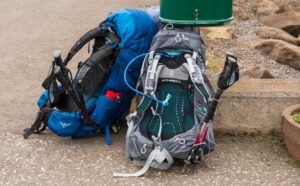
Your bug-out bag should be compact yet comprehensive, tailored for rapid urban exits. Include a portable power bank with multiple charging cables, local transit cards, a rechargeable flashlight, N95 masks to counter smoke or tear gas, copies of identification and emergency contacts, basic first aid supplies, and a lightweight rain poncho. Added items like a multitool, water purification tablets, and high-calorie snacks ensure self-sufficiency during prolonged delays from grid or infrastructure failures.
Considering Washington DC’s unique context, the bug-out bag must also cater to security screening scenarios and restricted area proximity. Items like a discreet notepad with emergency legal resources, a whistle for signaling, and a small amount of cash in case electronic payment systems are down make a difference. Strategically pack everything for easy access during sudden evacuations, and periodically update contents based on current threat intelligence and seasonal changes, ensuring readiness aligns with the city’s dynamic environment.
Legal Minefields: Navigating Prepper Rights in DC
Washington DC enforces some of the nation’s strictest regulations affecting preppers. Weapons storage, possession of certain survival gear, and methods of food and water storage often intersect with local codes. You must stay current on these laws to avoid penalties, especially in a jurisdiction under intense federal and local scrutiny. Civil unrest, terrorism threats, and infrastructure disruptions place law enforcement on high alert, which can complicate even routine emergency preparedness. Staying informed about how your planned actions might be perceived legally can mean the difference between lawful readiness and unintended violations.
Understanding Self-Defense Laws & Preparedness
DC’s self-defense statutes limit the use of force to situations where deadly force is justified only to prevent imminent death or serious bodily harm. Non-lethal means like pepper spray require registration, and possession of firearms faces strict licensing requirements that you must comply with fully. Knowing the boundaries of legal defense equips you to better protect your family without risking criminal charges during tense urban emergencies.
Implications of Local Regulations on Emergency Actions
Local laws heavily regulate emergency actions such as storage of fuel, use of communication devices, and movement during curfews or states of emergency. Violating these can result in fines or detention, which can jeopardize your safety and legal standing amid chaos.
Specifically, DC’s code mandates fuel containers meet UL safety standards and prohibits their storage in certain residential buildings, curtailing how much backup energy you can safely keep. Communications gear like ham radios require FCC licenses and may be restricted during state emergencies. Furthermore, during curfews or declared emergencies, authorities hold broad discretionary powers to restrict movement, so your bug-out plans must account for checkpoints and possible detentions. Obtaining permits where possible, maintaining clear identification, and understanding these local constraints help you avoid legal entanglements while enhancing your survival readiness.
Final Words
With these considerations, you can better prepare to protect your family in the unique environment of Washington DC, where high-profile risks demand focused strategies. By understanding shelter-in-place methods, communication options during disruptions, and legal boundaries specific to this urban setting, you enhance your ability to respond effectively. Planning your escape routes and knowing how to navigate the complexities of federal zones empower you to stay safe and resilient amid uncertainty. Your preparedness is a vital step toward safeguarding those you care about in this dynamic and challenging cityscape.
FAQ
Q: What are effective shelter-in-place methods for urban apartments during civil unrest or infrastructure disruptions in Washington DC?
A: In an urban apartment setting, secure all entry points by reinforcing doors and windows with materials like heavy-duty tape or window film to reduce breakage. Create a designated safe room away from external walls and windows, ideally an interior room with limited access. Stock this space with imperative supplies such as water, non-perishable food, a first aid kit, flashlights, and communication devices. Maintaining a low profile by limiting light and noise can help avoid drawing attention during periods of civil unrest.
Q: What communication options are available when the power grid or cellular networks fail in the DC metro area?
A: When conventional communication networks are down, alternative options include battery-powered or hand-crank radios to receive emergency broadcasts, walkie-talkies or FRS/GMRS radios for local communication, and satellite phones if accessible. Establishing pre-arranged meeting points and communication protocols with family or coworkers before emergencies can enhance coordination. Additionally, apps that function offline via Bluetooth or mesh networks may provide limited digital communication without internet access.
Q: How can government employees and residents legally prepare for emergencies without violating local or federal laws in Washington DC?
A: Compliance with local ordinances and federal regulations is imperative when prepping in Washington DC. This includes adhering to regulations on storing certain quantities of fuel, weapons, and controlled substances. It is advisable to focus on legal supplies such as food, water, medical kits, and non-restricted tools. For those considering self-defense items, ensure they meet DC’s strict weapon laws. Consulting official resources and local government websites can provide current guidelines to maintain legal compliance.
Q: What should be considered when developing escape routes and bug-out plans in the densely populated Washington DC urban core?
A: Escape routes should account for potential traffic congestion, blocked streets, and public transportation interruptions. Identify multiple exit paths from your neighborhood that avoid major highways prone to gridlock during emergencies. Incorporate on-foot routes through parks, alleys, or pedestrian bridges as alternatives. Coordinate with trusted contacts about rendezvous locations outside high-risk zones, and maintain a portable bug-out bag with imperatives in case sudden evacuation becomes necessary.
Q: How can prepping strategies be tailored for individuals working within federal/government zones that have heightened security measures?
A: For those operating in secure federal areas, prepping should emphasize maintaining a low profile and minimizing visible supplies to avoid conflict with security policies. Focus on personal preparedness items such as discreet emergency kits, portable water filters, and compact communication tools. Familiarize yourself with the security protocols of your workplace to understand permissible items and procedures during emergencies. Additionally, establishing situational awareness and cooperation with on-site emergency plans can enhance safety without breaching security guidelines.
Author

MrsRose Ultra Thin Rechargeable Hand Warmers 2 Pack with Carabiner Ring | Electric Hand Warmers, NTC Safety Control, 3 Heat Levels, Up to 7H Heating, Ultra Lightweight 55g, Winter Gifts for Christmas
$14.99 (as of October 31, 2026 22:03 GMT +00:00 – More infoProduct prices and availability are accurate as of the date/time indicated and are subject to change. Any price and availability information displayed on [relevant Amazon Site(s), as applicable] at the time of purchase will apply to the purchase of this product.)
NBA 2K27 – PlayStation 5
$49.94 (as of October 31, 2026 22:03 GMT +00:00 – More infoProduct prices and availability are accurate as of the date/time indicated and are subject to change. Any price and availability information displayed on [relevant Amazon Site(s), as applicable] at the time of purchase will apply to the purchase of this product.)
Owala FreeSip Sway Stainless Steel Water Bottle 30oz Harry Potter Vignettes | Cupholder Friendly | Triple-Layer Insulation | Leak-Proof Lid with Push-Button to Open
$39.99 (as of October 31, 2026 22:03 GMT +00:00 – More infoProduct prices and availability are accurate as of the date/time indicated and are subject to change. Any price and availability information displayed on [relevant Amazon Site(s), as applicable] at the time of purchase will apply to the purchase of this product.)
CoreMuse Camping Water Container 2.1 Gallon Collapsible Water Jug with Spout – Reusable Plastic Flasks, Foldable Empty Gallon Jug for Water Storage, Water Bag for Outdoor Hiking Emergency Prep -1 Pack
$8.68 (as of October 31, 2026 22:03 GMT +00:00 – More infoProduct prices and availability are accurate as of the date/time indicated and are subject to change. Any price and availability information displayed on [relevant Amazon Site(s), as applicable] at the time of purchase will apply to the purchase of this product.)

Leave a Reply