
Paracord Planet 550lb Paracord – 7 Strand Type III Tactical Parachute Cord for Hiking and Camping
$15.99 (as of September 15, 2026 17:21 GMT +00:00 – More infoProduct prices and availability are accurate as of the date/time indicated and are subject to change. Any price and availability information displayed on [relevant Amazon Site(s), as applicable] at the time of purchase will apply to the purchase of this product.)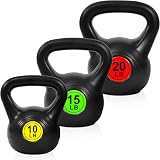
HULKFIT Kettlebell Sets Wide Grip 3 or 4 Piece Kettlebells Exercise Fitness Weight Set, 30-50LB Set, Black
(as of September 15, 2026 17:44 GMT +00:00 – More infoProduct prices and availability are accurate as of the date/time indicated and are subject to change. Any price and availability information displayed on [relevant Amazon Site(s), as applicable] at the time of purchase will apply to the purchase of this product.)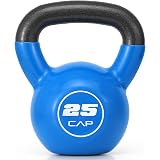
CAP Vinyl Coated Cast Iron Kettlebell, 10-50 LB Home Gym Weight
$39.99 (as of September 15, 2026 17:44 GMT +00:00 – More infoProduct prices and availability are accurate as of the date/time indicated and are subject to change. Any price and availability information displayed on [relevant Amazon Site(s), as applicable] at the time of purchase will apply to the purchase of this product.)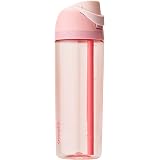
Owala FreeSip Tritan Water Bottle 25 oz Rose Quartz
$21.99 (as of September 15, 2026 17:44 GMT +00:00 – More infoProduct prices and availability are accurate as of the date/time indicated and are subject to change. Any price and availability information displayed on [relevant Amazon Site(s), as applicable] at the time of purchase will apply to the purchase of this product.)
Barnesmith Hooded Sweatshirt, Unisex, Cotton/Poly Blend, Heritage Logo
$49.95 (as of September 15, 2026 17:21 GMT +00:00 – More infoProduct prices and availability are accurate as of the date/time indicated and are subject to change. Any price and availability information displayed on [relevant Amazon Site(s), as applicable] at the time of purchase will apply to the purchase of this product.)You might not realize it, but your apartment can pose significant risks during emergencies. Limited exits, shared spaces, and building regulations often complicate swift evacuations or access to help. Understanding these hidden dangers is crucial to preparing effectively and protecting yourself when disaster strikes. This post will explore why your living space can become a liability and offer practical advice to enhance your safety in challenging situations.
Key Takeaways:
- Apartments often have limited access points, which can hinder quick evacuation during emergencies.
- Shared walls and ventilation in apartment buildings can facilitate the rapid spread of smoke, fire, or airborne contaminants.
- Structural limitations may restrict the ability to reinforce or modify the apartment for enhanced safety measures.
- Dependence on building management for emergency systems and protocols can pose risks if those measures are inadequate or poorly maintained.
- Being aware of emergency exits, evacuation plans, and maintaining personal preparedness supplies is crucial for mitigating apartment-related risks during crises.
Unmasking the Threat: 5 Hidden Risks in Apartments During Emergencies
Your apartment, while a comfortable refuge in daily life, conceals hazards that come to the surface during emergencies. From dependence on vulnerable systems to limited escape routes, you’ll face challenges that make survival more complex. Awareness of these hidden risks equips you to prepare smarter, mitigating dangers that might otherwise catch you off guard when it matters most.
Power and Water Dependency: The Fragility of Utility Services
Your apartment’s reliance on centralized electricity and water makes you vulnerable when outages strike. Emergency scenarios frequently disrupt these utilities, leaving you without light, heating, refrigeration, or potable water. Without backup power or stored water, you could be thrust into precarious conditions in hours, turning routine survival importants into critical challenges to overcome.
Limited Exit Options: Navigating Your Way Out
Escape routes in apartment buildings are often limited to one or two stairwells, which can become congested or blocked during fires or earthquakes. Elevators are unsafe when power fails or fires strike, restricting your choices to narrow, sometimes poorly marked stairwells. This bottleneck increases evacuation times and the risk of injury or smoke inhalation.
Many residents underestimate how quickly panic and crowding can immobilize stairwells. In a 2017 apartment fire in Taipei, smoke obstructed the sole stairwell, trapping several tenants. Practicing your escape plan with awareness of all exits, including emergency ones, can improve your chances substantially. Additionally, keep a small flashlight and dust mask handy to navigate dark, smoke-filled corridors.
Noise from Neighbors: The Psychological Impact of Community Disruption
Apartment living means close quarters, and during emergencies, noise from neighbors’ distress, arguments, or panic can escalate stress levels. This often heightens anxiety, making it harder to think clearly or make rational decisions when your emotional control is most needed, adding a psychological layer to physical vulnerabilities.
Research on disaster psychology shows that noisy environments can trigger fight-or-flight responses, impairing judgment and causing further chaos. If you find yourself overwhelmed by neighbor activity, creating a sound buffer with headphones or moving to a quieter room may help. Building good rapport with neighbors beforehand also promotes calm communication and coordinated responses during crises.
Visibility of Preps: The Risks of Disclosing Survival Preparations
In apartment complexes, visible survival gear can attract unwanted attention. Items like water barrels on balconies or stocked shelves in windows may invite theft or conflict, especially when resources are scarce after a disaster. Maintaining discretion about your preparedness helps you avoid becoming a target.
Studies show that during crises, social tensions rise, and visible disparities in preparedness can provoke hostility. Tucking away supplies, using discreet storage methods, or keeping your preparations inside locked cabinets decreases risk. Engaging discreetly with trusted neighbors about shared resources creates a safer environment for your investment in survival importants.
Lack of Natural Resources: The Urban Survival Handicaps
Living in an apartment often means no access to a garden, well, or natural water sources. This isolation from renewable resources restricts your ability to gather food, water, or materials, increasing reliance on stores that might quickly deplete during an emergency, forcing you into difficult survival decisions.
Urban research indicates that residents far from green spaces face greater food insecurity and reduced resilience post-disaster. You can mitigate this by cultivating small indoor herb gardens, storing extra consumables, and identifying nearby parks or community resources as backup water or food sources. Planning for these handicaps dramatically improves your self-sufficiency when outside aid is delayed.
Fortifying Your Space: Effective Solutions for Apartment Preparedness
Transforming your apartment into a secure haven involves targeted modifications and smart storage strategies. Strengthen entry points with reinforced deadbolts and door jammers, while installing window security films adds another layer against break-ins. Integrate easily deployable blackout curtains or privacy screens to obstruct view and delay external threats. Layering these physical upgrades with a clear organization of emergency supplies ensures you remain ready without sacrificing daily living space, turning vulnerabilities into strengths tailored to your unique apartment layout.
Prepper-Style Modifications: Enhancing Safety and Security
Applying prepper techniques like creating a safe room with metal-reinforced walls or installing a peephole camera can drastically improve your apartment’s defense capability. Simple add-ons like sliding bolt locks on bedroom doors offer quick lockdown options. Consider mounting a flip-up furniture bar on your main door for additional barricade support. Such proactive alterations, often overlooked in apartment living, can delay intruders and buy you critical time during emergencies.
Smart Storage Solutions: Keeping Essentials Concealed Yet Accessible
Maximize limited space by using multi-functional furniture with hidden compartments, such as ottomans or beds with built-in storage. Stash emergency kits and food supplies in vacuum-sealed bags to minimize volume, nesting them within closets or under sinks. Secure a small, waterproof safe for important documents behind wall art or inside kitchen cabinets, keeping necessarys discreet yet within quick reach. These tactics balance secrecy with accessibility, enhancing preparedness without crowding your living area.
Expanding on smart storage, consider modular shelving units that adapt to your changing needs, supporting both everyday items and emergency gear simultaneously. Employing magnetic strips inside cabinet doors can help organize small tools and first-aid supplies neatly out of sight. You can also use labeled, stackable clear containers for inventory management—this visibility prevents forgotten expired items while maintaining compactness. By integrating these solutions, your apartment becomes a strategic asset, ensuring you stay equipped without feeling cluttered or compromised.
Quick Wins for Renters: Landlord-Friendly Upgrades
Small improvements like adding weather stripping, switching to LED bulbs, or installing motion sensor lights in common areas significantly enhance safety and energy efficiency. These upgrades not only make your apartment safer during emergencies but can also appeal to landlords interested in long-term property maintenance. Simple steps often lead to big improvements without demanding significant renovations or costs.
Cost-Effective Enhancements: Simple Changes with Big Impacts
Replacing old smoke detectors with photoelectric models can reduce false alarms and provide more reliable fire detection. Installing surge protectors safeguards your electronics during power fluctuations often triggered by crisis events. Even placing non-slip mats in the bathroom prevents injuries from falls, a common hazard in high-stress situations. These inexpensive additions deliver measurable safety benefits beyond routine upkeep.
Collaboration with Landlords: Strategies for Mutual Benefits
Propose upgrades that improve the apartment’s resilience, like storm-proof window film or reinforced door locks, sharing costs or offering to help with installation. Highlight how these additions can lower insurance premiums or maintenance calls, framing them as investments rather than expenses. Open dialogue about safety priorities builds trust and often results in landlords supporting your initiatives.
For a deeper partnership, suggest a joint checklist for emergency preparedness that both parties contribute to—this can include installing emergency lighting in hallways or providing fire extinguishers in common areas. Offering detailed research on product costs and benefits demonstrates your commitment and eases landlord concerns about financial impact. This proactive approach can transform your apartment into a safer environment while strengthening your tenant-landlord relationship.
Conclusion
From above, understanding the hidden risks within your apartment is crucial for your safety during any crisis. You may not realize that limited exits, shared walls, and potential structural weaknesses can turn your living space into a hazardous environment. By recognizing these silent threats, you empower yourself to take proactive steps such as emergency planning, reinforcing your home, and knowing safe evacuation routes. Your awareness and preparation can make all the difference in protecting yourself and your loved ones when unexpected situations arise.
FAQ
Q: What are the main risks associated with staying in an apartment during a crisis?
A: Apartments can pose several risks during a crisis, such as limited evacuation routes, higher population density leading to slower emergency response, and potential structural vulnerabilities. Additionally, noise and confusion can increase in shared spaces, making it harder to communicate or receive timely information.
Q: How can the design of an apartment building impact safety during emergencies?
A: The design of the building significantly affects safety. Issues like narrow stairwells, absence of multiple exits, poor ventilation, and lack of fire-resistant materials can increase danger. Older buildings may lack up-to-date safety features like sprinklers or emergency lighting, compounding the risks faced during fires, earthquakes, or other crises.
Q: Are there specific types of crises where an apartment might be particularly unsafe?
A: Certain emergencies heighten the risks related to apartments. For example, during earthquakes, high-rises can sway or suffer structural damage affecting many units at once. Fires can spread rapidly due to shared walls and ventilation systems. In situations requiring swift evacuation, dense occupancy and limited exits can cause bottlenecks and delays.
Q: What steps can residents take to improve their safety in an apartment during a crisis?
A: Residents should familiarize themselves with all emergency exits and evacuation plans, keep necessary supplies like water, flashlights, and first aid kits readily available, and establish a communication plan with family or neighbors. It’s also helpful to participate in any building safety drills and advocate for safety improvements such as smoke detectors or updated fire alarm systems.
Q: Could relocating during an extended crisis be necessary for apartment dwellers?
A: Depending on the nature and duration of the crisis, staying in an apartment might not be sustainable, especially if resources become limited or infrastructure is compromised. Assessing the evolving situation and having a contingency plan, including the possibility of temporary relocation to safer areas such as less dense housing or designated shelters, can be an important part of crisis preparedness.
Author

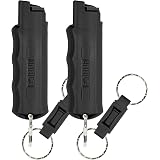
Sabre Pepper Spray with Quick Release Keychain for Self Defense – Maximum Police Strength OC Spray with UV Marking Dye, Twist Lock Safety, Finger Grip, 10‑Second Spray, 14‑ft Range, Made in USA
$16.99 (as of September 15, 2026 17:44 GMT +00:00 – More infoProduct prices and availability are accurate as of the date/time indicated and are subject to change. Any price and availability information displayed on [relevant Amazon Site(s), as applicable] at the time of purchase will apply to the purchase of this product.)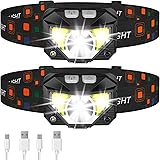
LHKNL Headlamp Flashlight, Lumen Bright Head Lamps LED Rechargeable Camping | Ultra-Light, with White Red Light, 2-Pack Waterproof Motion Sensor Headlight, 8 Modes for Outdoor Running Hiking Fishing
$19.99 (as of September 15, 2026 17:44 GMT +00:00 – More infoProduct prices and availability are accurate as of the date/time indicated and are subject to change. Any price and availability information displayed on [relevant Amazon Site(s), as applicable] at the time of purchase will apply to the purchase of this product.)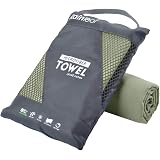
Rainleaf Microfiber Towel Quick Dry Camping & Travel & Gym Towel. Compact | Super Absorbent, Lightweight, Fast Drying. Suitable for Beach, Bath, Backpacking, Hiking, Swim.
$12.99 (as of September 15, 2026 17:44 GMT +00:00 – More infoProduct prices and availability are accurate as of the date/time indicated and are subject to change. Any price and availability information displayed on [relevant Amazon Site(s), as applicable] at the time of purchase will apply to the purchase of this product.)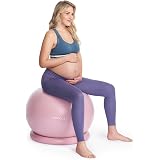
Momcozy BirthEase Pregnancy Ball Set, Birthing Yoga Ball with App Courses | BPA-Free, Anti-Burst, with Anti-Slip Base, Supports Pregnancy Stages & Postpartum with App-Guided Courses
$47.98 (as of September 15, 2026 17:44 GMT +00:00 – More infoProduct prices and availability are accurate as of the date/time indicated and are subject to change. Any price and availability information displayed on [relevant Amazon Site(s), as applicable] at the time of purchase will apply to the purchase of this product.)

Leave a Reply