HULKFIT Kettlebell Sets Wide Grip 3 or 4 Piece Kettlebells Exercise Fitness Weight Set, 30-50LB Set, Black
(as of September 15, 2026 17:44 GMT +00:00 – More infoProduct prices and availability are accurate as of the date/time indicated and are subject to change. Any price and availability information displayed on [relevant Amazon Site(s), as applicable] at the time of purchase will apply to the purchase of this product.)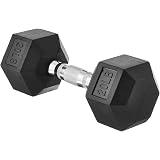
Amazon Basics Rubber Hex Dumbbell Hand Weight
$21.57 (as of September 15, 2026 17:44 GMT +00:00 – More infoProduct prices and availability are accurate as of the date/time indicated and are subject to change. Any price and availability information displayed on [relevant Amazon Site(s), as applicable] at the time of purchase will apply to the purchase of this product.)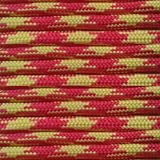
Paracord Planet 550lb Paracord – 7 Strand Type III Tactical Parachute Cord for Hiking and Camping
$15.99 (as of September 15, 2026 17:21 GMT +00:00 – More infoProduct prices and availability are accurate as of the date/time indicated and are subject to change. Any price and availability information displayed on [relevant Amazon Site(s), as applicable] at the time of purchase will apply to the purchase of this product.)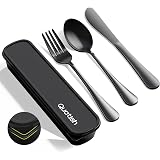
Quatish Travel Utensils with Case, Stainless Steel Cutlery Set, Black | Portable, Dishwasher Safe, Silverware Set, Reusable Camping Utensils, Fork and Spoon Set for Picnic, Camping, Work, Lunch Box
$5.99 (as of September 15, 2026 17:44 GMT +00:00 – More infoProduct prices and availability are accurate as of the date/time indicated and are subject to change. Any price and availability information displayed on [relevant Amazon Site(s), as applicable] at the time of purchase will apply to the purchase of this product.)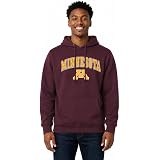
Campus Colors NCAA Arch & Logo Gameday Hoodie – Fleece Pullover Sweatshirt | Officially licensed NCAA; 50% cotton, 50% polyester; crew neck collar; screen-printed team graphic; unisex fit
$48.95 (as of September 15, 2026 17:21 GMT +00:00 – More infoProduct prices and availability are accurate as of the date/time indicated and are subject to change. Any price and availability information displayed on [relevant Amazon Site(s), as applicable] at the time of purchase will apply to the purchase of this product.)As more and more people are becoming interested in self-sufficiency and emergency preparedness, urban camping has grown in popularity among urban preppers and survivalists alike. While traditional camping typically takes place in remote wilderness areas, urban camping involves setting up camp in urban environments such as rooftops, abandoned buildings, or even parks. In this article, we will provide you with tips and suggestions for urban camping, so you can be better prepared for any unexpected situation in the city.
Introduction to Urban Camping
Urban camping offers a unique set of challenges compared to traditional camping. Instead of being surrounded by nature and wildlife, urban campers have to contend with noise, pollution, and potential security risks. However, with the right preparation and mindset, urban camping can be a rewarding experience that allows you to test your survival skills in a different setting.
One of the key benefits of urban camping is that it allows you to practice your prepping skills in a realistic urban environment. You can learn how to navigate city streets, scavenge for resources, and adapt to changing conditions. This can be invaluable in a real-life emergency situation, where you may need to rely on your urban camping experience to survive.
Choosing a Location
When it comes to urban camping, location is key. You want to find a spot that is relatively safe, away from heavy foot traffic, and provides easy access to resources such as water and shelter. Rooftops, abandoned buildings, and secluded parks are popular choices for urban campers, as they offer some degree of privacy and security.
Before setting up camp, it’s important to scout out potential locations during the day to assess the safety and accessibility of the area. Look for signs of recent activity, such as graffiti or litter, which could indicate that the location is frequented by others. It’s also a good idea to look for potential hazards, such as broken glass or sharp objects, that could pose a danger to you while camping.
Essential Gear
Just like traditional camping, urban camping requires certain essential gear to ensure your safety and comfort. Here are some items that every urban camper should have in their kit:
- Tent or tarp: To provide shelter and protection from the elements.
- Sleeping bag and sleeping pad: To keep you warm and comfortable at night.
- Portable stove and cookware: To prepare meals and boil water.
- First aid kit: To treat injuries and illnesses.
- Flashlight or headlamp: To navigate in the dark.
- Multi-tool: To perform various tasks such as cutting, opening cans, and repairing gear.
- Personal hygiene items: Such as toothbrush, toilet paper, and hand sanitizer.
- Emergency whistle: To signal for help in case of an emergency.
In addition to these basic items, urban campers should also consider carrying a few extra supplies, such as a map of the area, cash, and important documents, in case they need to evacuate quickly.
Safety and Security
Safety should be a top priority when urban camping, as urban environments can be unpredictable and potentially dangerous. Here are some tips to help you stay safe while camping in the city:
- Keep a low profile: Avoid drawing attention to yourself by setting up camp in a discreet location and keeping noise to a minimum.
- Avoid trespassing: Be mindful of local laws and regulations, and always seek permission before camping on private property.
- Secure your belongings: Keep your gear locked up or hidden when you’re not around to prevent theft.
- Trust your instincts: If a situation feels unsafe or uncomfortable, trust your gut and move to a different location.
- Stay aware of your surroundings: Be vigilant and alert to any potential threats or dangers in the area.
By following these safety guidelines, you can minimize the risks associated with urban camping and enjoy a more secure experience in the city.
Resource Management
One of the biggest challenges of urban camping is managing your resources effectively. In a city environment, you may not have access to the same natural resources as you would in the wilderness, so it’s important to be resourceful and creative in your approach to survival. Here are some tips for managing your resources while urban camping:
- Water: Look for public water fountains, public restrooms, or grocery stores where you can refill your water bottles. Consider carrying a portable water filter or purification tablets to make water from questionable sources safe to drink.
- Food: Scavenge for food in local parks, community gardens, or dumpsters (if necessary). Stock up on non-perishable items such as canned goods, granola bars, and dried fruits to have a backup supply of food.
- Shelter: Make use of existing structures such as abandoned buildings or bus shelters to provide temporary shelter from the elements. Consider carrying a lightweight tarp or bivvy sack for additional protection.
- Fire: Use a portable stove or cooking fuel to heat food and boil water. Be mindful of fire safety regulations and always extinguish your fire completely before leaving the area.
By being resourceful and adaptive, urban campers can overcome the challenges of city living and thrive in an urban environment.
Conclusion
Urban camping offers a unique opportunity for urban preppers and survivalists to test their skills and prepare for emergency situations in an urban environment. By choosing the right location, packing essential gear, prioritizing safety and security, and efficiently managing resources, urban campers can enjoy a rewarding and challenging experience that will enhance their survival skills and resilience in the city.
Whether you’re a seasoned prepper or new to the world of urban camping, these tips and suggestions can help you make the most of your urban camping experience and be better prepared for whatever the city throws your way. So pack your bags, grab your gear, and embark on an urban camping adventure that will test your limits and expand your horizons as a urban prepper. Stay safe, stay prepared, and happy camping!
Author

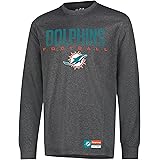
Ultra Game Men’s NFL Official Game Day Long Sleeve T-Shirt
$29.74 (as of September 15, 2026 17:44 GMT +00:00 – More infoProduct prices and availability are accurate as of the date/time indicated and are subject to change. Any price and availability information displayed on [relevant Amazon Site(s), as applicable] at the time of purchase will apply to the purchase of this product.)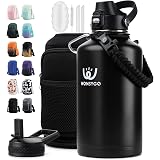
WONSYGO 64oz Insulated Water Bottle Leak Proof with Carrier Bag for Sports | Stainless Steel Water Jug Sports & Hiking – Includes Paracord Handle, Bottle & Straw Brush, Reusable, Metal, BPA-Free
$21.98 (as of September 15, 2026 17:44 GMT +00:00 – More infoProduct prices and availability are accurate as of the date/time indicated and are subject to change. Any price and availability information displayed on [relevant Amazon Site(s), as applicable] at the time of purchase will apply to the purchase of this product.)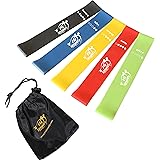
Fit Simplify Resistance Loop Exercise Bands with Instruction Guide and Carry Bag, Set of 5
$9.98 (as of September 15, 2026 17:44 GMT +00:00 – More infoProduct prices and availability are accurate as of the date/time indicated and are subject to change. Any price and availability information displayed on [relevant Amazon Site(s), as applicable] at the time of purchase will apply to the purchase of this product.)
Amazon Basics Extra Thick Exercise Yoga Mat with Carrying Strap
$22.48 (as of September 15, 2026 17:44 GMT +00:00 – More infoProduct prices and availability are accurate as of the date/time indicated and are subject to change. Any price and availability information displayed on [relevant Amazon Site(s), as applicable] at the time of purchase will apply to the purchase of this product.)