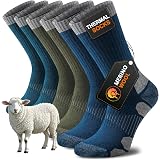
Niorasen Merino Wool Socks for Men & Women, Thermal Winter Crew Warm Socks | seamless toe and cushioned comfort, ideal for cold weather, work boots, hiking and holiday stocking stuffers, gift
$11.99 (as of October 31, 2026 22:03 GMT +00:00 – More infoProduct prices and availability are accurate as of the date/time indicated and are subject to change. Any price and availability information displayed on [relevant Amazon Site(s), as applicable] at the time of purchase will apply to the purchase of this product.)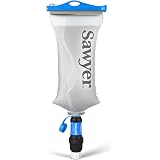
Sawyer Squeeze Water Filtration System, Cnoc Premium 2 Liter Bladder, Clear
$64.95 (as of October 31, 2026 22:03 GMT +00:00 – More infoProduct prices and availability are accurate as of the date/time indicated and are subject to change. Any price and availability information displayed on [relevant Amazon Site(s), as applicable] at the time of purchase will apply to the purchase of this product.)
Potable Aqua Water Purification Tablets With PA Plus – Two 50 count Bottles
(as of October 31, 2026 22:03 GMT +00:00 – More infoProduct prices and availability are accurate as of the date/time indicated and are subject to change. Any price and availability information displayed on [relevant Amazon Site(s), as applicable] at the time of purchase will apply to the purchase of this product.)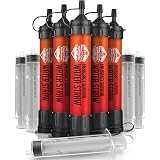
Practical Survival Reusable Emergency Water Filter Straws, 5-Pack | Lightweight, High-Capacity, 1800-Gallon Lifespan, No Expiration Date. For Camping, Hiking, Travel, Biking and Survival
(as of October 31, 2026 22:03 GMT +00:00 – More infoProduct prices and availability are accurate as of the date/time indicated and are subject to change. Any price and availability information displayed on [relevant Amazon Site(s), as applicable] at the time of purchase will apply to the purchase of this product.)
Milavan Smart Health Ring Fitness Tracker for Men Women, Rose Gold 8 | Sleep, Stress & Activity Monitoring, IP68 Waterproof, Long-Lasting Battery, No Subscription Fees, Works with iOS & Android
$35.99 (as of October 31, 2026 22:03 GMT +00:00 – More infoProduct prices and availability are accurate as of the date/time indicated and are subject to change. Any price and availability information displayed on [relevant Amazon Site(s), as applicable] at the time of purchase will apply to the purchase of this product.)
Introduction
Being a prepper or survivalist doesn’t limit your potential disasters to just rural or wilderness scenarios. In fact, urban areas can pose their own unique challenges that require careful preparation and navigation skills. Whether you’re navigating through congested traffic, finding alternate routes due to infrastructure failures, or simply trying to get from point A to point B in a chaotic city, having the necessary knowledge and skills to navigate urban environments is essential. In this guide, we will delve into the intricacies of urban navigation, offering valuable tips and suggestions for urban preppers to enhance their survival preparedness.
Understanding Urban Navigation
Urban environments, with their complex road networks, towering skyscrapers, and dense populations, can be overwhelming for even the most experienced prepper. Navigating through crowded streets, avoiding potential dangers, and finding alternative routes can be a daunting task. However, with the right approach and a solid understanding of the city’s layout, urban navigation can be mastered. The following tips will help you become a proficient urban navigator:
1. Map Familiarity
Before any disaster strikes, familiarize yourself with the city you live in or plan to navigate. Thoroughly study maps, both physical and digital, to grasp the layout, major roads, alternative routes, landmarks, and potential danger zones. Consider the city’s neighborhoods, public transportation networks, and any unique geographical features that may affect your navigation options.
2. Efficient Route Planning
When prepping for urban navigation, account for potential disruption of infrastructure. Identify multiple routes to your destination, including main roads, secondary streets, and even pedestrian pathways. Anticipate roadblocks, traffic congestion, or areas prone to violence, and plan alternative paths accordingly.
3. Develop Urban Survival Skills
Urban environments can be unpredictable during times of crisis. Learning essential skills such as situational awareness, camouflage, urban camouflage (blending into the surroundings), and emergency first aid can greatly enhance your chances of safe navigation. Urban survival gear, such as a tactical backpack, multi-tool, and emergency communication devices, should be part of your urban prepping arsenal.
4. Master Public Transportation
In densely populated areas, public transportation becomes a crucial part of urban navigation strategies. Familiarize yourself with the bus and subway systems, knowing key stops and interchanges. During a crisis, public transportation may be limited or disrupted, so consider alternative modes of transportation, such as bicycles or even on-foot navigation.
5. Utilize Modern Technology
In today’s digital age, technology can serve as a valuable asset for urban preppers. Smartphone apps, like navigation aids or crowd-sourced traffic updates, can provide real-time information on road conditions and alternative routes. However, always have a backup plan, considering that technology may fail during emergencies.
Urban Navigation Challenges and Solutions
Traffic Congestion
Urban areas are synonymous with traffic congestion. During times of crisis, this issue can worsen as people flock to major roadways in search of safety or supplies. To navigate through traffic effectively:
- Stay Informed: Keep updated on local news and use traffic apps to stay informed about incidents and congestion.
- Timing: Plan your movements during off-peak hours to avoid rush-hour traffic or potential bottlenecks.
- Alternate Routes: Identify alternative routes and use them wisely to avoid traffic-heavy roads.
- Motorbike or Bicycle: Consider using a motorbike or bicycle for faster movement in congested areas.
Infrastructure Failures
Cities rely heavily on infrastructure, including roads, bridges, and tunnels. Disruptions to this infrastructure can massively impact navigation. To address these challenges:
- Plan for Power Outages: Carry compact flashlights, charged power banks, or solar backup batteries to navigate in areas without electricity.
- Identify Vulnerable Infrastructure: Familiarize yourself with vulnerable infrastructure in your city, such as bridges or tunnels prone to flooding or collapse, and seek alternate routes.
- Emergency Evacuation Routes: Research and memorize emergency evacuation routes designated by local authorities.
Civil Unrest
During times of crisis, civil unrest can be a common occurrence in urban areas. Navigating through riots or dangerous situations requires caution and preparedness:
- Situational Awareness: Remain aware of your surroundings at all times. Stay alert, avoid large crowds, and be cautious near government buildings, political gatherings, or protest hotspots.
- Blend In: Dress appropriately to blend in with the local population and avoid attracting unnecessary attention.
- Communication: Establish communication protocols with your group or loved ones, using designated code phrases or emergency channels to ensure safe navigation and regrouping.
Conclusion
Urban navigation poses distinct challenges for even the most prepared preppers. By studying maps, mastering efficient route planning, developing urban survival skills, utilizing public transportation, and harnessing technology, you can significantly enhance your urban navigation abilities. Moreover, understanding and addressing challenges such as traffic congestion, infrastructure failures, and civil unrest will further amplify your chances of successfully navigating urban environments in times of crisis. Remember, urban navigation is not solely about reaching your destination but about prioritizing your safety and ensuring the well-being of your loved ones. Stay diligent, adaptable, and always be prepared.
Author

400 Card Sleeves Hard Plastic, Arjiekwei 3″X 4″ Trading Card Holder, 35PT | Baseball Cards Protectors for Sports Football Game Cards (200 Hard Sleeves + 200 Soft Sleeves)
$19.99 (as of October 31, 2026 22:03 GMT +00:00 – More infoProduct prices and availability are accurate as of the date/time indicated and are subject to change. Any price and availability information displayed on [relevant Amazon Site(s), as applicable] at the time of purchase will apply to the purchase of this product.)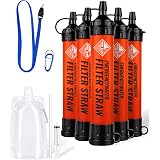
Pure Flow Water Water Filter Straw – High Capacity Survival Water Filter Kit, Lightweight Reusable Portable Water Straw for Camping Hiking Backpacking,5 Pack
$63.99 (as of October 31, 2026 22:03 GMT +00:00 – More infoProduct prices and availability are accurate as of the date/time indicated and are subject to change. Any price and availability information displayed on [relevant Amazon Site(s), as applicable] at the time of purchase will apply to the purchase of this product.)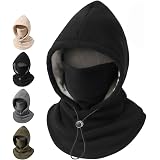
DaMaiTeMai 2027 New 3 in 1 Winter Hat, Fleece Double‑Layer Integrated Hat | 3-in-1 Face & Neck Gaiter, Unisex Winter Fleece Balaclava Hood, Adjustable Windproof Designed for Cycling, Skiing and Cold
$19.97 (as of October 31, 2026 22:03 GMT +00:00 – More infoProduct prices and availability are accurate as of the date/time indicated and are subject to change. Any price and availability information displayed on [relevant Amazon Site(s), as applicable] at the time of purchase will apply to the purchase of this product.)
Gaiam Thick Yoga Mat, Exercise & Fitness Mat with Easy-Cinch Carrying Strap | Non-Slip NBR Foam | Joint Cushioning | Yoga, Pilates, Fitness & Floor Workouts | 72″L x 24″W
$23.02 (as of October 31, 2026 22:03 GMT +00:00 – More infoProduct prices and availability are accurate as of the date/time indicated and are subject to change. Any price and availability information displayed on [relevant Amazon Site(s), as applicable] at the time of purchase will apply to the purchase of this product.)