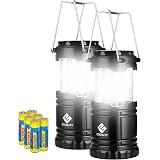
Etekcity LED Camping Lanterns, Battery Operated, 2 Pack | Power Outages, Hurricane Preparedness, Camping, Emergency Kit, Water Resistant, Collapsible Design, Batteries Included
$16.99 (as of October 31, 2026 22:03 GMT +00:00 – More infoProduct prices and availability are accurate as of the date/time indicated and are subject to change. Any price and availability information displayed on [relevant Amazon Site(s), as applicable] at the time of purchase will apply to the purchase of this product.)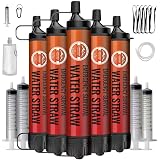
Lormandy Straw Water Filter 5 Pack – Outdoor Camping & Hiking Survival Gear | Family Use Ultra-Light Personal Filter Straws | Backpacking, Travel, Bug-Out Bags, Emergency Preparedness
$69.88 (as of October 31, 2026 22:03 GMT +00:00 – More infoProduct prices and availability are accurate as of the date/time indicated and are subject to change. Any price and availability information displayed on [relevant Amazon Site(s), as applicable] at the time of purchase will apply to the purchase of this product.)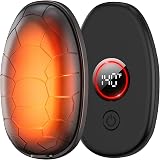
2 in 1 Electric Hand Warmers Rechargeable Quick Heating Portable Reusable | Magnetic Turtle Shell Shape LED Display with Colorful Ambient Light, 3 Heat Levels Settings(113°F/131°F/140°F)
$9.99 (as of October 31, 2026 22:03 GMT +00:00 – More infoProduct prices and availability are accurate as of the date/time indicated and are subject to change. Any price and availability information displayed on [relevant Amazon Site(s), as applicable] at the time of purchase will apply to the purchase of this product.)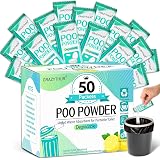
CRAZYTHUR Poo Powder for Portable Toilet Gel Powder, Camping Toilet Gel | Pee Powder, Eco Toilet Gel for 650ml Urine/10g, Toilet Gel Powder for Outdoor Camping and Hiking
$16.99 (as of October 31, 2026 22:03 GMT +00:00 – More infoProduct prices and availability are accurate as of the date/time indicated and are subject to change. Any price and availability information displayed on [relevant Amazon Site(s), as applicable] at the time of purchase will apply to the purchase of this product.)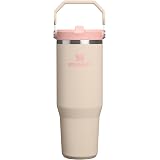
STANLEY IceFlow 2.0 Flip Straw Tumbler, 30 oz, Champagne | Easy Carry Handle | Twist On Lid and Flip Up Straw | Leak Resistant Water Bottle | Insulated Stainless Steel | BPA-Free
$26.26 (as of October 31, 2026 22:03 GMT +00:00 – More infoProduct prices and availability are accurate as of the date/time indicated and are subject to change. Any price and availability information displayed on [relevant Amazon Site(s), as applicable] at the time of purchase will apply to the purchase of this product.)Prepper knowledge is necessary for anyone looking to enhance their safety while on the road. An Urban Prepper Vehicle Emergency Kit can provide you with the necessary supplies to handle unexpected situations effectively. This guide presents a comprehensive checklist of necessary items to include in your kit, ensuring you are equipped for various emergencies. Whether you face a breakdown, medical issue, or natural disaster, having the right gear in your vehicle can make all the difference in maintaining your safety and well-being.
Key Takeaways:
- Includes necessary tools and supplies for vehicle emergencies.
- Checklist ensures comprehensive preparation and easy access to items.
- Designed to enhance safety and response in roadside situations.
- Compact storage options for convenient placement in the vehicle.
- Encourages regular inventory checks to keep supplies updated.
Importance of an Urban Prepper Vehicle Emergency Kit
An Urban Prepper Vehicle Emergency Kit is important for navigating unforeseen situations in city environments. Urban areas often present unique challenges, such as heavy traffic, limited accessibility for emergency services, and the potential for natural disasters or civil unrest. Being prepared with a well-equipped kit can save time and provide peace of mind, allowing you to respond effectively during emergencies. Your ability to stay safe and resilient in any scenario largely depends on the contents of your kit and your readiness to use them.
Understanding Urban Preparedness
Urban preparedness involves anticipating risks associated with city living, including vehicle breakdowns, accidents, or natural calamities. Recognizing urban-specific hazards helps you assemble a kit that addresses the diverse challenges you may face. Your focus should be on equipping yourself with supplies that enhance your mobility and security, ensuring you can manage incidents effectively until help arrives.
Key Benefits of Having an Emergency Kit
Having an emergency kit in your vehicle enhances your personal safety and boosts your confidence during unexpected situations. It equips you with tools and supplies needed to handle breakdowns, medical emergencies, or inclement weather. Furthermore, a well-organized kit allows for swift action, minimizing anxiety and maximizing your ability to support yourself and others in distress.
A comprehensive emergency kit provides several advantages. It can include basic repair tools for quick fixes, first aid supplies for medical needs, and non-perishable food or water to sustain you in case of prolonged stasis. Statistics show that 70% of roadside emergencies occur in urban areas, making it more pertinent to be prepared. By having these provisions on hand, you’re not only safeguarding your well-being but also ready to assist fellow motorists who may be caught off-guard.
Essential Items for Your Emergency Kit
Equipping your vehicle with necessary items ensures that you’re prepared for a variety of emergencies while navigating urban environments. Your emergency kit should include basic tools, first aid supplies, food, and water, tailored to meet your unique needs. By assembling a comprehensive kit, you can respond effectively to any situation that arises on the road.
Basic Tools and Supplies
Your vehicle’s emergency toolkit should contain items like a tire jack, jumper cables, a flashlight, and a multi-tool. These tools provide practical solutions for common issues such as flat tires or dead batteries. Including duct tape and zip ties can also come in handy for temporary vehicle repairs.
First Aid and Medical Supplies
First aid supplies are vital for treating minor injuries that can occur during roadside emergencies. A well-stocked first aid kit should feature bandages, antiseptic wipes, adhesive tape, and scissors. These items enable you to address cuts, scrapes, and other injuries promptly.
In addition to basic supplies, consider including items such as pain relievers, allergy medications, and any personal prescriptions. A CPR face shield can be an necessary addition for emergencies involving cardiac arrest. Having these medical supplies ready can significantly improve your ability to assist yourself or others until professional help arrives.
Food and Water Requirements
Ensuring you have adequate food and water supplies in your emergency kit can sustain you during unexpected delays or situations. Stock non-perishable items like energy bars, nuts, and dried fruit, along with at least a gallon of water per person, to maintain hydration over an extended period.
Opt for food items that have a long shelf life and require little or no preparation, which makes them practical for on-the-go situations. In addition to water, consider including water purification tablets or a filter straw, which can help you access clean drinking water, enhancing your safety during emergencies. Regularly check and replace these supplies to ensure they are always ready when needed.
Safety and Security Considerations
Ensuring your safety and security while dealing with vehicle emergencies is paramount. Prepare for unexpected situations by equipping yourself and your vehicle with the right tools and knowledge. From having personal safety gear on hand to implementing vehicle security measures, these elements can significantly enhance your preparedness and peace of mind when on the road.
Personal Safety Gear
Always include personal safety gear in your vehicle emergency kit. Essential items like a reflective vest, gloves, and a first aid kit can protect you during roadside emergencies. In addition, consider a multi-tool, flashlights with extra batteries, and an emergency whistle, which can be invaluable for signaling assistance or addressing minor injuries until help arrives.
Vehicle Security Measures
To safeguard your vehicle from theft or break-ins, invest in modern security measures. Anti-theft devices, steering wheel locks, and window immobilizers serve as effective deterrents. Additionally, parking in well-lit or monitored areas and using a GPS tracking device can further enhance your vehicle’s safety profile.
For added protection, consider installing a car alarm system that alerts you to unauthorized access. Many modern vehicles come with advanced security features, such as immobilizers and remote start systems, which prevent theft by ensuring only authorized users can operate the vehicle. Regularly check and update your security features, as technology evolves and new methods of vehicle theft emerge. When you take proactive steps, you significantly reduce the risk of becoming a victim while ensuring peace of mind during your travels.
Organizing Your Emergency Kit
Efficiently organizing your emergency kit enhances your preparedness and ensures that you can swiftly access needed items during an emergency. Begin by categorizing supplies, such as first aid items, tools, and food provisions. Use clear, labeled containers or bags to keep similar items together. Store your kit in a designated area of your vehicle that remains easily accessible, minimizing the time spent searching for importants when time is critical.
Storage Solutions and Accessibility
Choose storage solutions that fit your vehicle’s layout, such as under-seat organizers, trunk bins, or side compartments. Opt for waterproof bags to safeguard sensitive items. Additionally, consider utilizing modular storage systems that allow you to rearrange or remove components easily, ensuring that you can access your emergency supplies quickly without unnecessary hassle.
Regular Maintenance and Updates
Schedule regular maintenance for your emergency kit to ensure all items remain functional and relevant. Review the contents at least twice a year, checking expiration dates on food and medications while verifying that all tools are operational. Make adjustments based on seasonal needs—adding extra blankets in winter or replenishing bottled water during hot months to ensure readiness for various situations.
During each review, take a moment to reassess your emergency preparedness. For instance, if you’ve added family members or increased travel distances, you may need to incorporate additional supplies or expand your kit. Keeping a checklist handy helps track changes and update your kit efficiently. Staying proactive in this regard ensures that your kit adapts to your evolving needs, reinforcing your security while on the road.

Creating a Checklist for Quick Reference
A well-structured checklist is vital for your emergency kit, serving as a quick reference that helps you ensure no imperative items are overlooked. By organizing your supplies into categories, such as tools, food, and first aid, you can efficiently assess your preparedness at a glance. This organized approach not only saves time but also provides peace of mind, allowing you to stay focused during an emergency.
Sample Emergency Kit Checklist
Your emergency kit should include items such as a first aid kit, flashlight, batteries, road flares, bottled water, non-perishable food, and basic tools. Additionally, consider incorporating a blanket, extra clothing, and a portable phone charger. Start with this foundational list, expanding it as per your individual needs and circumstances.
Customizing Your Checklist
Customizing your checklist is imperative for tailoring it to your specific lifestyle and potential risks. Assess your daily driving habits, the climate in your area, and any unique personal needs. For instance, if you often travel in remote areas, include items like a map or emergency radio. Alternatively, families might prioritize different items, such as child safety precautions.
When assessing your unique needs, think about factors like your location, the likelihood of severe weather, or frequent road trips. If you have pets, include supplies catering to their needs, such as food and a leash. Individuals with medical conditions might need extra medication or specialized tools. Tailoring your kit to suit these specifics not only enhances your preparedness but also ensures that you can manage various scenarios effectively.

Practical Tips for Urban Preparedness
Effective urban preparedness involves proactive steps that empower you to handle emergencies efficiently. Whether you’re at home or on the go, having a clear plan in place can make all the difference. Consider the following tips:
- Identify escape routes from your location.
- Keep your vehicle fueled and well-maintained.
- Stay informed about local emergency services and resources.
- Practice your plans with family and friends.
- Consider the unique challenges of urban environments.
The right mindset and preparation can significantly enhance your resilience during emergencies.
Situational Awareness in Urban Environments
Being aware of your surroundings is vital in urban settings where danger can arise unexpectedly. Pay attention to people’s behavior, recognize escape routes, and note key resources such as hospitals or police stations. Regularly assess your environment for potential hazards, from traffic issues to natural disasters, and develop strategies to mitigate these risks effectively.
Emergency Communication Plans
Establishing a clear communication plan is vital for successful coordination during emergencies. Ensure every member of your household knows how to reach each other and where to meet if separated. Utilize several communication methods—cell phones, social media, and local community alerts—to stay informed.
In urban environments, where connectivity may be compromised, consider designating an out-of-area contact for family members to reach in case local networks fail. Share this contact information with everyone involved, and practice your communication strategy regularly. Create a group chat for real-time updates and ensure all devices have charged backup batteries. The more informed you are, the better you can navigate challenging situations.
Final Words
Conclusively, having an Urban Prepper Vehicle Emergency Kit with a checklist is vital for ensuring your safety and preparedness during roadside emergencies. This comprehensive kit equips you with the necessary tools and supplies, enabling you to handle unexpected situations effectively. By following the checklist, you can regularly update your kit, ensuring that all items are in working condition and readily accessible. Taking these proactive steps helps you maintain peace of mind while on the road, empowering you to face challenges confidently.
FAQ
Q: What items are included in the Urban Prepper Vehicle Emergency Kit?
A: The Urban Prepper Vehicle Emergency Kit includes jumper cables, a first aid kit, a flashlight with batteries, a multi-tool, water purification tablets, non-perishable snacks, a space blanket, and a comprehensive checklist for organizing these items.
Q: How can I customize my Urban Prepper Vehicle Emergency Kit?
A: You can customize your kit by adding personal items such as medications, specific tools you may need, extra clothing suitable for your climate, and additional food supplies, ensuring it meets your individual needs.
Q: Is the checklist provided in the kit easy to follow?
A: Yes, the checklist is designed to be straightforward and user-friendly, allowing you to quickly assess what items are included and what additional supplies may be necessary based on your location and activities.
Q: How often should I check and update my Urban Prepper Vehicle Emergency Kit?
A: It is advisable to check and update your kit every six months to ensure that all items are in good condition, batteries are fresh, food and medical supplies are not expired, and that it reflects any changes in your personal needs or travel habits.
Q: Where is the best location to store the Urban Prepper Vehicle Emergency Kit in my vehicle?
A: The best location is usually the trunk or under a seat, ensuring it is easily accessible yet secure, avoiding direct sunlight or extreme temperatures, which can affect the integrity of the supplies.
Author

EA SPORTS College Football 27 – Standard Edition PS5 |Disc I VideoGame
$49.94 (as of October 31, 2026 22:03 GMT +00:00 – More infoProduct prices and availability are accurate as of the date/time indicated and are subject to change. Any price and availability information displayed on [relevant Amazon Site(s), as applicable] at the time of purchase will apply to the purchase of this product.)
2 in 1 Electric Hand Warmers Rechargeable Quick Heating Portable Reusable | Magnetic Turtle Shell Shape LED Display with Colorful Ambient Light, 3 Heat Levels Settings(113°F/131°F/140°F)
$9.99 (as of October 31, 2026 22:03 GMT +00:00 – More infoProduct prices and availability are accurate as of the date/time indicated and are subject to change. Any price and availability information displayed on [relevant Amazon Site(s), as applicable] at the time of purchase will apply to the purchase of this product.)
Gaiam Thick Yoga Mat, Exercise & Fitness Mat with Easy-Cinch Carrying Strap | Non-Slip NBR Foam | Joint Cushioning | Yoga, Pilates, Fitness & Floor Workouts | 72″L x 24″W
$23.02 (as of October 31, 2026 22:03 GMT +00:00 – More infoProduct prices and availability are accurate as of the date/time indicated and are subject to change. Any price and availability information displayed on [relevant Amazon Site(s), as applicable] at the time of purchase will apply to the purchase of this product.)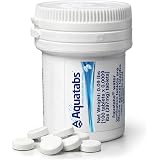
Aquatabs Water Purification Tablets, 397mg 100 Pack, Camping & Emergency | Water Filtration System for Boating, Marine, Survival Kit. Easy-to-use purifier treatment for safe drinking water
$36.99 (as of October 31, 2026 22:03 GMT +00:00 – More infoProduct prices and availability are accurate as of the date/time indicated and are subject to change. Any price and availability information displayed on [relevant Amazon Site(s), as applicable] at the time of purchase will apply to the purchase of this product.)

Leave a Reply