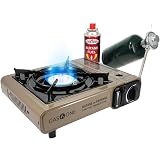
Gas One GS-3400P Propane or Butane Stove Dual Fuel Stove Portable Camping Stove – Patented – with Carrying Case Great for Emergency Preparedness Kit
$29.99 (as of October 31, 2026 22:03 GMT +00:00 – More infoProduct prices and availability are accurate as of the date/time indicated and are subject to change. Any price and availability information displayed on [relevant Amazon Site(s), as applicable] at the time of purchase will apply to the purchase of this product.)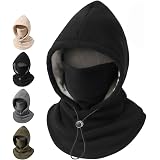
DaMaiTeMai 2027 New 3 in 1 Winter Hat, Fleece Double‑Layer Integrated Hat | 3-in-1 Face & Neck Gaiter, Unisex Winter Fleece Balaclava Hood, Adjustable Windproof Designed for Cycling, Skiing and Cold
$19.97 (as of October 31, 2026 22:03 GMT +00:00 – More infoProduct prices and availability are accurate as of the date/time indicated and are subject to change. Any price and availability information displayed on [relevant Amazon Site(s), as applicable] at the time of purchase will apply to the purchase of this product.)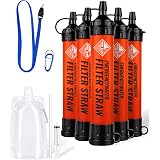
Pure Flow Water Water Filter Straw – High Capacity Survival Water Filter Kit, Lightweight Reusable Portable Water Straw for Camping Hiking Backpacking,5 Pack
$63.99 (as of October 31, 2026 22:03 GMT +00:00 – More infoProduct prices and availability are accurate as of the date/time indicated and are subject to change. Any price and availability information displayed on [relevant Amazon Site(s), as applicable] at the time of purchase will apply to the purchase of this product.)
EA SPORTS College Football 27 – Standard Edition PS5 |Disc I VideoGame
$49.94 (as of October 31, 2026 22:03 GMT +00:00 – More infoProduct prices and availability are accurate as of the date/time indicated and are subject to change. Any price and availability information displayed on [relevant Amazon Site(s), as applicable] at the time of purchase will apply to the purchase of this product.)
Membrane Solutions Personal Water Filter Straw S1 | NSF/ANSI 42 372 401 Certified, 1320 Gal Capacity, 0.1 Micron, Fits 28mm Bottle, BPA-Free, Survival Emergency Hiking Camping
(as of October 31, 2026 22:03 GMT +00:00 – More infoProduct prices and availability are accurate as of the date/time indicated and are subject to change. Any price and availability information displayed on [relevant Amazon Site(s), as applicable] at the time of purchase will apply to the purchase of this product.)As you navigate the concrete jungle, it’s easy to take for granted the most vital resource of all – water. But what if the taps run dry? In today’s unpredictable world, having a reliable water storage solution in place can be the difference between life and death. You might not be a seasoned survivalist, but with the right strategies, you can ensure your urban oasis stays hydrated even in the face of uncertainty. In this article, we’ll explore the must-know tips for storing water in urban areas, so you can stay prepared and stay alive.
Key Takeaways:
- Urban Water Scarcity: Cities face unique water storage challenges due to high population density, aging infrastructure, and climate change. It’s necessary to prioritize water storage solutions to ensure a steady supply during emergencies and daily life.
- Rainwater Harvesting: Collecting and storing rainwater is a cost-effective and eco-friendly way to supplement municipal water supplies. Install rain barrels or tanks to collect rooftop runoff and use it for non-potable purposes like flushing toilets and washing cars.
- Water Conservation: Implementing water-saving measures can significantly reduce demand on municipal supplies. Fix leaks, install low-flow fixtures, and promote water-efficient habits among residents to minimize waste and stretch available resources.
- Community Engagement: Educate residents about the importance of water storage and conservation through public awareness campaigns, workshops, and community events. Encourage participation in water-saving initiatives and provide incentives for adopting water-efficient practices.
- Emergency Preparedness: Develop a comprehensive emergency response plan that includes water storage solutions, such as mobile water tanks and distribution systems, to ensure access to clean drinking water during natural disasters or supply disruptions.
Identifying Water Storage Needs
The first step in preparing for water storage in urban areas is to identify your specific needs. This involves assessing your daily water usage, understanding the demands of your household, and calculating how much water you’ll need in case of an emergency.
Assessing Urban Water Demands
A typical urban household uses water for various purposes, including drinking, cooking, hygiene, and cleaning. You need to consider these demands when planning your water storage solution, taking into account the number of people in your household and their individual needs.
Calculating Personal Water Requirements
For a reliable water storage plan, you need to calculate your personal water requirements. This includes considering the minimum amount of water you’ll need for drinking, sanitation, and hygiene per person per day.
In fact, the general rule of thumb is to store at least one gallon of water per person per day for drinking, cooking, and hygiene. However, this amount may vary depending on your specific needs, such as medical conditions or infant care. By calculating your personal water requirements, you can determine the right size of your water storage solution and ensure you’re prepared for any situation.
Choosing the Right Water Storage Containers
It’s important to select water storage containers that meet your specific needs and circumstances. With so many options available, it can be overwhelming to decide which one is right for you. By considering factors such as material, size, and durability, you’ll be able to make an informed decision that ensures your water storage solution is effective and reliable.
Material Options: Plastic, Metal, or Concrete
Below are the three primary material options for water storage containers: plastic, metal, and concrete. Each has its pros and cons, so it’s vital to weigh these factors carefully. Plastic containers are lightweight and affordable, while metal containers are durable and resistant to corrosion. Concrete containers, on the other hand, are heavy-duty and ideal for large-scale storage.
Sizing Up: Capacity and Space Considerations
One of the most critical factors to consider when choosing a water storage container is its capacity and the space you have available. You’ll need to determine how much water you want to store and where you’ll place the container in your home or yard.
Hence, it’s important to assess your available space carefully. Consider the dimensions of the container and whether it will fit comfortably in the designated area. You should also think about the weight of the filled container and ensure that the floor or surface can support it. By carefully evaluating these factors, you’ll be able to select a container that meets your needs and fits seamlessly into your urban prepping setup.
Storing Water Safely and Hygienically
For you to have access to clean drinking water during an emergency, it’s important to store water safely and hygienically. This means using the right containers, keeping them clean, and preventing contamination. You don’t want to end up with a storage tank full of undrinkable water, which can be a recipe for disaster. By following these simple tips, you’ll be able to store water that’s safe for you and your loved ones to drink.
Cleaning and Disinfecting Containers
Besides choosing the right containers, you need to ensure they’re thoroughly cleaned and disinfected before storing water. This step is vital in preventing bacterial growth and contamination. Use a mixture of soap and warm water to scrub the containers, and then disinfect them with a solution of bleach and water. Rinse them thoroughly to remove any residue.
Preventing Contamination and Algae Growth
About the last thing you want is for your stored water to become contaminated or infested with algae. This can happen if you don’t take the necessary precautions to prevent it.
Water contamination can occur through various means, including exposure to light, heat, or airborne contaminants. To prevent this, store your water containers in a cool, dark place, such as a basement or cupboard. You should also ensure the containers are tightly sealed to prevent air from entering. Regularly inspect your containers for signs of contamination, such as unusual odors or colors, and replace them if necessary. By taking these steps, you’ll be able to keep your stored water clean and safe for consumption.
Water Treatment and Purification Methods
Many urban preppers understand the importance of storing water, but it’s equally vital to know how to treat and purify it to make it safe for consumption. In a survival situation, contaminated water can be deadly, so it’s vital to have a plan in place to ensure your stored water is clean and potable.
Boiling, Filtering, and Chemical Disinfection
On top of your prep list should be the most basic, yet effective methods of water treatment: boiling, filtering, and chemical disinfection. Boiling water is the simplest way to kill bacteria and viruses, while filtering can remove particulate matter and sediment. Chemical disinfection, such as chlorine or iodine tablets, can also be used to purify water.
UV and Distillation Techniques
Around the world, people are using innovative methods to purify water, including UV light treatment and distillation. UV light can kill 99.9% of bacteria and viruses, while distillation involves boiling water and then collecting the condensed steam, which is free from many contaminants.
Considering the importance of having access to clean drinking water in a survival situation, it’s worth investing in a UV water purifier or distillation equipment. These methods can be more effective than traditional boiling and filtering, and can provide you with a reliable source of clean water. By incorporating these techniques into your prep plan, you’ll be better equipped to handle any water-related emergency that comes your way.
Creative Water Storage Solutions for Urban Spaces
Now that you’ve got the basics of water storage covered, it’s time to think outside the box (or tank, in this case!) and explore some creative solutions for urban spaces. You might be surprised at how much water you can store in unexpected places. For more inspiration, check out our article on Boost Your Urban Survival: Practical Water Collection Methods.
Utilizing Vertical Space: Wall-Mounted Tanks
Wall-mounted tanks are a great way to maximize your storage capacity while minimizing floor space. You can install them in a garage, basement, or even on an exterior wall, providing you with a convenient and accessible water supply.
Hiding in Plain Sight: Decorative Containers
Utilizing decorative containers is a clever way to store water without drawing attention to yourself. You can find attractive planters, urns, or vases that double as water storage vessels, blending seamlessly into your urban decor.
Consequently, these decorative containers can hold a significant amount of water, and their discreet design ensures that your water storage remains under the radar. Just be sure to choose containers that are food-grade and BPA-free to ensure the water remains safe for consumption.

Maintenance and Monitoring Water Storage Systems
After investing in a water storage system, it’s important to maintain and monitor it regularly to ensure your supply remains safe and reliable. A well-maintained system will help prevent contamination, reduce the risk of waterborne diseases, and extend the lifespan of your equipment.
Regular Inspection and Cleaning Schedules
Along with your initial setup, create a schedule for regular inspections and cleaning to keep your system in top condition. Check for signs of damage, corrosion, or pest infestation, and perform routine cleaning tasks, such as scrubbing tanks and replacing filters, to prevent the buildup of sediment and bacteria.
Testing Water Quality and Addressing Issues
Maintenance involves more than just physical upkeep; it’s also important to test your water quality regularly to ensure it’s safe for consumption. You’ll need to check for parameters like pH levels, turbidity, and bacterial presence, and address any issues promptly to prevent contamination.
Regular water testing will help you identify potential problems before they become major issues. For example, if you detect high levels of bacteria, you may need to shock chlorinate your system or replace filters more frequently. By staying on top of water quality testing, you’ll be able to enjoy peace of mind knowing your stored water is always safe to drink.
To wrap up
With these considerations in mind, you’re now better equipped to tackle the challenge of water storage in urban areas. You’ve learned how to assess your needs, choose the right storage solutions, and maintain them for optimal performance. By implementing these imperative prepping tips, you’ll be ready to face any water-related emergency that comes your way. Your preparedness will give you peace of mind, and you’ll be able to provide for your loved ones when they need it most. Stay vigilant, stay prepared, and stay hydrated!
FAQ
Q: What are the benefits of having a water storage solution in urban areas?
A: Having a water storage solution in urban areas provides a reliable source of clean drinking water during emergencies, natural disasters, or infrastructure failures. It also helps reduce reliance on municipal water supplies, which can be contaminated or shut off during crises. Additionally, stored water can be used for hygiene, cooking, and other imperative needs, ensuring a higher level of comfort and safety during difficult times.
Q: How much water should I store for emergency purposes in an urban area?
A: The general rule of thumb is to store at least one gallon of water per person per day for drinking, cooking, and hygiene. For a family of four, this would translate to 28 gallons of water per week. However, it’s recommended to store more water if possible, especially if you have pets or special medical needs. Consider storing a minimum of 2-3 months’ worth of water to ensure you’re prepared for extended emergencies.
Q: What types of water storage solutions are suitable for urban areas?
A: There are several types of water storage solutions suitable for urban areas, including: 1) Plastic water tanks or containers, 2) Water barrels or drums, 3) Collapsible water tanks, 4) Under-sink water storage systems, and 5) In-home water filtration systems. When choosing a solution, consider factors such as space constraints, budget, and ease of use.
Q: How do I maintain and rotate my stored water supply in an urban area?
A: To maintain a safe and healthy stored water supply, it’s imperative to regularly inspect and rotate your stock. Check your stored water every 6-12 months for signs of contamination, sediment, or algae growth. Rotate your stock by using the oldest water first and replacing it with fresh water. Always follow proper sanitation and handling procedures when handling stored water to prevent contamination.
Q: Are there any specific considerations I should keep in mind when storing water in an urban apartment or condominium?
A: Yes, when storing water in an urban apartment or condominium, consider the weight and space constraints of your storage solution. Choose containers that are specifically designed for indoor use and can withstand the weight of the water. Ensure you have permission from your landlord or building management to store water on the premises. Additionally, consider the noise level and potential disturbance to neighbors when filling or accessing your stored water.
Author

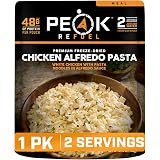
Peak Refuel Chicken Alfredo Freeze-Dried Meal, 48g Protein, 2 Servings | 48g protein, 100% real meat, Non-GMO ingredients, No fillers, Freeze-dried, Just add water, 2 servings, Backpacking meal
(as of October 31, 2026 22:03 GMT +00:00 – More infoProduct prices and availability are accurate as of the date/time indicated and are subject to change. Any price and availability information displayed on [relevant Amazon Site(s), as applicable] at the time of purchase will apply to the purchase of this product.)
Hasbro Gaming Crossfire Game | Indoor Active Game for Kids and Teens | 2 Blasters, Marbles, Arena | Fun Family Board Games | 2 Players | 10 Mins. | Ages 7+
$19.97 (as of October 31, 2026 22:03 GMT +00:00 – More infoProduct prices and availability are accurate as of the date/time indicated and are subject to change. Any price and availability information displayed on [relevant Amazon Site(s), as applicable] at the time of purchase will apply to the purchase of this product.)
EA SPORTS College Football 27 – Standard Edition PS5 |Disc I VideoGame
$49.94 (as of October 31, 2026 22:03 GMT +00:00 – More infoProduct prices and availability are accurate as of the date/time indicated and are subject to change. Any price and availability information displayed on [relevant Amazon Site(s), as applicable] at the time of purchase will apply to the purchase of this product.)
2026-27 Topps NBA Flagship Basketball – Factory Sealed – Value Box
(as of October 31, 2026 22:03 GMT +00:00 – More infoProduct prices and availability are accurate as of the date/time indicated and are subject to change. Any price and availability information displayed on [relevant Amazon Site(s), as applicable] at the time of purchase will apply to the purchase of this product.)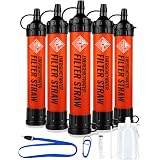


Leave a Reply