Collegiate Distressed Primary Logo Adult T Shirt Collection
$19.99 (as of September 16, 2026 17:26 GMT +00:00 – More infoProduct prices and availability are accurate as of the date/time indicated and are subject to change. Any price and availability information displayed on [relevant Amazon Site(s), as applicable] at the time of purchase will apply to the purchase of this product.)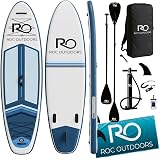
Roc Inflatable Stand Up Paddle Board 10′ 6″ with Premium SUP Paddle Board Accessories, Wide Stable Design, Non-Slip Comfort Deck for Youth & Adults
$179.99 (as of September 16, 2026 17:45 GMT +00:00 – More infoProduct prices and availability are accurate as of the date/time indicated and are subject to change. Any price and availability information displayed on [relevant Amazon Site(s), as applicable] at the time of purchase will apply to the purchase of this product.)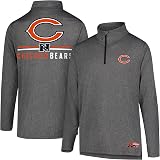
Ultra Game Men’s NFL Official Super Soft Quarter Zip Long Sleeve T-Shirt
$33.99 (as of September 16, 2026 17:45 GMT +00:00 – More infoProduct prices and availability are accurate as of the date/time indicated and are subject to change. Any price and availability information displayed on [relevant Amazon Site(s), as applicable] at the time of purchase will apply to the purchase of this product.)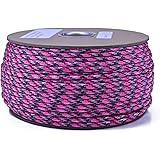
Bored Paracord – 1′, 10′, 25′, 50′, 100′ Hanks & 250′, 1000′ Spools of Parachute 550 Cord Type III 7 Strand Paracord Well Over 300 Colors – Pink Camo – 100 Feet
$11.59 (as of September 16, 2026 17:26 GMT +00:00 – More infoProduct prices and availability are accurate as of the date/time indicated and are subject to change. Any price and availability information displayed on [relevant Amazon Site(s), as applicable] at the time of purchase will apply to the purchase of this product.)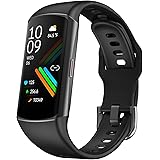
Smart Watch Fitness Tracker with 24/7 Heart Rate, Blood Oxygen Blood Pressure Monitor Sleep Tracker 120 Sports Modes Activity Trackers Step Calorie Counter IP68 Waterproof for Andriod iPhone Women Men
$89.99 (as of September 16, 2026 17:45 GMT +00:00 – More infoProduct prices and availability are accurate as of the date/time indicated and are subject to change. Any price and availability information displayed on [relevant Amazon Site(s), as applicable] at the time of purchase will apply to the purchase of this product.)
Note: This blog post is intended to provide information for urban preppers and survivalists on wilderness medicine. While these tips and suggestions can be valuable in emergency situations, professional medical assistance should always be sought for serious injuries or medical conditions.
Introduction
In today’s uncertain world, being prepared for different emergency situations is crucial. Urban preppers, in particular, understand the importance of having a well-stocked bug-out bag and being ready for natural disasters, civil unrest, or other unforeseen events. However, in the event of a large-scale disaster, healthcare systems may become overwhelmed, making it essential for urban preppers to acquire some basic wilderness medicine skills. This article aims to provide tips and suggestions on how to handle medical emergencies in a wilderness environment.
1. First Aid Skills
Before venturing into the wilderness, it is important to have a solid foundation in basic first aid skills. Understanding CPR, treating wounds, and knowing how to administer common medications can make a significant difference in a medical emergency. Urban preppers should consider taking a first aid course or even pursuing certification as an Emergency Medical Technician (EMT). These skills will prove invaluable both in urban and wilderness environments.
2. Building a Wilderness Medicine Kit
When preparing a survival kit, it’s easy to overlook medical supplies. However, a well-stocked wilderness medicine kit is essential for any urban prepper. Here are a few key items to include:
- Bandages and Dressings: Sterile adhesive bandages, gauze pads, and adhesive tape are essential for wound care. Include a variety of sizes to accommodate different injuries.
- Antiseptics: Disinfect wounds with antiseptic solutions, such as hydrogen peroxide or iodine. Alcohol-based hand sanitizer can also serve as a disinfectant.
- Analgesics: Pain relief is crucial in wilderness medicine. Acetaminophen or ibuprofen can help alleviate pain due to injuries or ailments.
- Medications: Consider including a basic supply of over-the-counter medications for ailments such as allergies, stomach troubles, and fever. Be sure to rotate these medications periodically to avoid expiration.
- Splints and Wraps: Include SAM splints or other flexible materials that can be used to immobilize broken bones or sprained joints. Additionally, elastic bandages can help support strains or reduce swelling.
- Tweezers and Scissors: These tools are versatile and useful for removing splinters, trimming bandages, or cutting clothing away from an injury.
- Emergency Blankets: Compact, lightweight emergency blankets help retain body heat and can be used to protect against hypothermia.
- Emergency Communication: A whistle and a signaling mirror can come in handy if rescuers need to be summoned.
Remember, this is just a starting point for a wilderness medicine kit, and it’s essential to personalize it to meet your specific needs and location.
3. Learn to Assess and Treat Injuries
In the wilderness, injuries can happen unexpectedly, and being able to assess and treat them promptly can be life-saving. Here are a few common injuries and how to handle them:
Cuts and Wounds
Clean the wound thoroughly with clean water or an antiseptic solution. Apply direct pressure with sterile gauze or a clean cloth to stop bleeding. For deep wounds, use butterfly bandages or adhesive strips to close the wound edges and protect against infection. Changing dressings regularly is important to prevent infection.
Sprains and Fractures
If someone suffers a sprain or fracture, the acronym R.I.C.E. (Rest, Ice, Compression, Elevation) comes into play. Encourage the injured person to rest and elevate the affected limb. Apply cold packs wrapped in a cloth for 15-20 minutes every few hours. Compression wraps can help reduce swelling, but make sure they aren’t too tight, which can impede blood flow.
Bites and Stings
While prevention is key, encounters with insects, snakes, or other wildlife may occur. For bites and stings:
- Remove the stinger if necessary.
- Clean the area with soap and water.
- Apply a cold pack to reduce swelling.
- Administer antihistamine or use topical hydrocortisone cream for itch relief.
- Seek medical attention promptly if the individual exhibits signs of an allergic reaction or if the bite is from a venomous creature.
4. Water Purification
Access to clean drinking water is critical for survival in the wilderness. Urban preppers should be familiar with different water purification methods. Boiling water for at least five minutes, using water purification tablets, or using portable water filters can help remove harmful bacteria and viruses. Proper hydration and water treatment are essential to avoid waterborne illnesses.
5. Recognize and Manage Hypothermia
Hypothermia can be a significant threat in the wilderness, even during warmer months. Knowing how to identify and manage this condition is crucial. Symptoms include shivering, confusion, slurred speech, and loss of coordination. If someone shows signs of hypothermia:
- Move them to a warm and sheltered area.
- Remove any wet clothing and cover them with blankets or emergency blankets.
- Provide warm fluids if conscious.
- Seek professional medical help immediately.
Conclusion
Being an urban prepper means being ready for a wide range of emergency scenarios. In these situations, having basic wilderness medicine knowledge and skills can prove invaluable. From building a wilderness medicine kit to learning first aid techniques, it is critical to prioritize the ability to handle medical emergencies. Remember, while this article provides valuable information, seeking professional medical assistance is paramount for severe injuries and medical conditions. Stay prepared, stay safe!
*Note: The information provided in this article is for educational purposes only and should not replace professional medical advice. Always consult with healthcare professionals or wilderness medicine experts for specific medical concerns.
Author

Under Armour Men’s Charged Cotton Sport style T-Shirt
(as of September 16, 2026 17:45 GMT +00:00 – More infoProduct prices and availability are accurate as of the date/time indicated and are subject to change. Any price and availability information displayed on [relevant Amazon Site(s), as applicable] at the time of purchase will apply to the purchase of this product.)
Ultra Game Men’s NFL Official Super Soft Quarter Zip Long Sleeve T-Shirt
$33.99 (as of September 16, 2026 17:45 GMT +00:00 – More infoProduct prices and availability are accurate as of the date/time indicated and are subject to change. Any price and availability information displayed on [relevant Amazon Site(s), as applicable] at the time of purchase will apply to the purchase of this product.)
Healthy Packers Ice Packs for Lunch Boxes & Coolers – Freezer Packs – Original Cool Pack | Cooler Accessories for Beach, Camping & Fishing | Slim & Long-Lasting Reusable Ice Pack for Cooler
$13.99 (as of September 16, 2026 17:45 GMT +00:00 – More infoProduct prices and availability are accurate as of the date/time indicated and are subject to change. Any price and availability information displayed on [relevant Amazon Site(s), as applicable] at the time of purchase will apply to the purchase of this product.)
Barnesmith Hooded Sweatshirt, Unisex, Cotton/Poly Blend, Heritage Logo
$49.95 (as of September 16, 2026 17:26 GMT +00:00 – More infoProduct prices and availability are accurate as of the date/time indicated and are subject to change. Any price and availability information displayed on [relevant Amazon Site(s), as applicable] at the time of purchase will apply to the purchase of this product.)