Barnesmith Short Sleeve T-Shirt, Unisex, Heritage Logo, NCAA Colleges
$25.95 (as of September 16, 2026 17:26 GMT +00:00 – More infoProduct prices and availability are accurate as of the date/time indicated and are subject to change. Any price and availability information displayed on [relevant Amazon Site(s), as applicable] at the time of purchase will apply to the purchase of this product.)
Ultra Game Men’s NFL Official Game Day Long Sleeve T-Shirt
$29.74 (as of September 16, 2026 17:45 GMT +00:00 – More infoProduct prices and availability are accurate as of the date/time indicated and are subject to change. Any price and availability information displayed on [relevant Amazon Site(s), as applicable] at the time of purchase will apply to the purchase of this product.)
Gaiam Yoga Block – Supportive Latex-Free Eva Foam – Soft Non-Slip Surface with Beveled Edges for Yoga, Pilates, Meditation
$15.23 (as of September 16, 2026 17:45 GMT +00:00 – More infoProduct prices and availability are accurate as of the date/time indicated and are subject to change. Any price and availability information displayed on [relevant Amazon Site(s), as applicable] at the time of purchase will apply to the purchase of this product.)
HULKFIT Kettlebell Sets Wide Grip 3 or 4 Piece Kettlebells Exercise Fitness Weight Set, 30-50LB Set, Black
$44.99 (as of September 16, 2026 17:45 GMT +00:00 – More infoProduct prices and availability are accurate as of the date/time indicated and are subject to change. Any price and availability information displayed on [relevant Amazon Site(s), as applicable] at the time of purchase will apply to the purchase of this product.)
HERCULES Cost-Effective Super Strong 4 Strands Braided Fishing Line 6LB to 100LB Test for Salt-Water, 109/328 / 547/1094 Yards (100M / 300M / 500M / 1000M), Diam# 0.08MM – 0.55MM, Hi-Grade
$19.99 (as of September 16, 2026 17:26 GMT +00:00 – More infoProduct prices and availability are accurate as of the date/time indicated and are subject to change. Any price and availability information displayed on [relevant Amazon Site(s), as applicable] at the time of purchase will apply to the purchase of this product.)You might think that fire escapes are a safe way to exit during emergencies, but many of them are actually hazards waiting to happen. In this blog post, you will discover five common apartment fire escapes that pose serious risks to your safety. By identifying these dangerous setups, you can make informed decisions to protect yourself and your loved ones in case of a fire. Stay aware of these traps to ensure your exit routes remain safe and reliable in an emergency.
Key Takeaways:
- Many apartment fire escapes are not designed for safe evacuation, posing significant risks.
- Obstructions and poor maintenance can make fire escapes hazardous during an emergency.
- Proper signage and training on usage can help mitigate risks associated with fire escapes.
- Some fire escapes may not meet building codes, rendering them ineffective in a fire situation.
- Regular inspections and upgrades are imperative for ensuring fire escape safety compliance.

Understanding Fire Escapes
Definition and Purpose
Fire escapes are external structures designed to provide a safe exit from a building during emergencies. Typically found in multi-story residential and commercial properties, they aim to facilitate evacuation when internal pathways are blocked by smoke or flames. However, many people underestimate their importance and overlook maintenance, potentially turning these exits into hazards rather than lifelines.
Common Misconceptions
Many believe fire escapes guarantee safety, but this is not always true. For instance, structural deterioration over time can render these exits unusable. Additionally, the assumption that fire escapes are fully accessible and safe to use in a crisis can lead to fatal misjudgments. You may often find that these structures are locked, obstructed, or inadequately maintained, conflicting with their intended purpose.
Common misconceptions about fire escapes can create dangerous situations during emergencies. For example, the belief that fire escapes are always a reliable escape route leads you to overlook the potential risks, including rust, loose ladders, and inadequate lighting. A fire escape blocked by debris or a malfunctioning door can thwart your escape, while assuming they are certified and regulated can cause complacency in checking their condition. Your safety relies heavily on knowing the true risks associated with these structures, making awareness and prevention paramount.
Types of Hazardous Fire Escapes
- Unmaintained Metal Ladders
- Faulty Fire Escape Doors
- Insufficient Width and Capacity
- Blocked Exits
- Inadequate Lighting
Perceiving the risks associated with these fire escape types can prevent dire situations during emergencies.
| Type of Hazard | Description |
| Unmaintained Metal Ladders | Corrosion and wear compromise structural integrity. |
| Faulty Fire Escape Doors | Doors that are jammed or improperly sealed can trap you. |
| Insufficient Width and Capacity | Narrow paths hinder a quick exit. |
| Blocked Exits | Items obstructing the way can delay evacuation. |
| Inadequate Lighting | Poor visibility leads to accidents during an emergency. |
Unmaintained Metal Ladders
Metal ladders that haven’t been regularly inspected can become rusty and weak, making them a dangerous exit route. When you’ve relied on these structures without checking their condition, a slip or break at a critical moment can be fatal.
Faulty Fire Escape Doors
Your safety can be compromised by fire escape doors that are damaged or malfunctioning. If these doors don’t open easily or are locked, they can entrap you when every second counts.
Faulty fire escape doors may have issues like rust, broken hinges, or improper seals, preventing them from functioning as intended. When an emergency arises, the last thing you want is to wrestle with a door that won’t budge, leaving you vulnerable to smoke or flames. Regular inspections can help ensure these exits are reliable, but many tenants overlook this vital maintenance step.
Insufficient Width and Capacity
Fire escapes that are narrow or lack adequate capacity impede the flow of people during an evacuation. This could lead to a bottleneck situation where too many individuals are trying to exit simultaneously.
Insufficient width and capacity on a fire escape can make it nearly impossible for you and your neighbors to evacuate quickly. A crowded, narrow space increases the risk of injury and panic, as people struggle to navigate through a tight area. The design should accommodate the number of residents in the building to ensure safety during emergencies.

Real-Life Incidents
Real-life incidents reveal the alarming frequency of fire escape failures, often resulting in tragic outcomes. Case studies illustrate the danger of neglected safety measures, highlighting that what you view as a seemingly secure means of escape can turn into a perilous trap when emergencies strike.
Case Studies of Fire Escape Failures
Examining specific documented incidents can shed light on critical design flaws and mismanagement.
- 1991: The South Bronx fire claimed 87 lives; many were unable to use fire escapes that were blocked.
- 2002: Chicago’s Cook County administration building fire; several victims died due to malfunctioning and corroded fire escape ladders.
- 2013: The New York City fire incident where an improperly maintained fire escape led to five fatalities, with emergency services unable to access it.
- 2019: A Los Angeles apartment complex fire left numerous residents trapped after the exit routes were obscured by clutter.
Reporting and Documentation
Thorough reporting and documentation of fire escape inspections are paramount for building safety. You should highlight that detailed records of maintenance checks, incidents, and compliance with safety standards can significantly impact the legal and operational responsibilities of property owners. Striking gaps in these records can not only endanger lives but also result in severe legal repercussions during investigations following an emergency. Regular audits and proper oversight can prevent tragedies by ensuring that fire escape routes are always accessible and functional.
Legal and Safety Standards
Understanding legal and safety standards around fire escapes is vital for both tenants and landlords to ensure safe living conditions. Compliance with these regulations can significantly reduce risks associated with fire emergencies, yet many apartment buildings fall short. You need to be aware of the applicable codes in your area to assess the safety of your escape routes properly.
Building Codes and Regulations
Building codes dictate specific requirements for fire escapes, including structural integrity, accessibility, and maintenance standards. These regulations vary by location, but they typically mandate that fire escapes must be well-maintained and readily accessible, ensuring they function effectively in an emergency. If your building doesn’t adhere to local codes, you should insist on necessary improvements.
Tenant Rights and Responsibilities
As a tenant, you have rights regarding safety standards, including the right to a well-maintained fire escape. You are responsible for reporting any hazards to your landlord or property management promptly. By doing so, you not only protect yourself but also help ensure the safety of your neighbors and fellow tenants.
Your responsibilities extend to understanding how your fire escape operates and ensuring that common areas remain unobstructed. For instance, if you notice debris blocking an exit or faulty equipment, alert your landlord immediately. Moreover, familiarize yourself with your lease agreement, which often includes provisions about your rights to safe living conditions. Knowing whom to contact in emergencies can be a lifesaver; keep that information handy.
Alternatives to Unsafe Fire Escapes
When fire escapes pose significant risks, exploring safer alternatives is crucial for your safety and peace of mind. Consider integrating fire-resistant stairwells designed for quicker evacuation or utilizing building-wide alarm systems that alert you to potential dangers. These solutions not only enhance safety but also provide reliable means of escape in emergencies, ensuring you can exit promptly and efficiently without the threats associated with traditional fire escapes.
Improving Existing Structures
Improving existing fire escape structures is vital to enhance your safety. If you live in a building with outdated designs, advocate for upgrades that include sturdy railings, non-slip surfaces, and regular maintenance checks. Installing LED lighting can also improve visibility during emergencies, helping you navigate the escape route more safely.
Designing Safer Evacuation Routes
Designing safer evacuation routes involves meticulous planning and attention to detail. Ensure your building has clearly marked paths that direct you to exits with minimal obstructions. Additionally, consider enlisting professionals to assess and optimize these routes, focusing on accessibility for all residents. With wider corridors and accessible exits, you can significantly reduce bottlenecks during an emergency.
Inclusive design is paramount when creating evacuation routes. Analyze potential choke points in hallways and stairwells, using wider dimensions and ensuring they are free of clutter. Incorporating features like tactile indicators can aid those with visual impairments, while regular drills can familiarize all residents with the routes. Studies show that clear signage and designated paths can halve the time it takes to evacuate a building, drastically improving your chances in a crisis.
Prevention and Awareness
Understanding the risks associated with fire escapes is vital for your safety. By focusing on prevention and awareness, you can significantly reduce hazards and make informed decisions in case of emergencies. Proper knowledge allows you to identify unsafe conditions and to advocate for improvements in your building’s safety features.
Educating Tenants
Educating yourself and fellow tenants about the proper use of fire escapes can prevent accidents. Attend building meetings, and ensure you know your emergency exit routes. Share information on what to do during a fire drill or an actual emergency, as familiarity breeds confidence and can save lives.
Regular Inspections and Maintenance
Your building management should conduct regular inspections and maintenance of fire escapes. Ensure these exits are free from obstructions and that ladders, railings, and mechanisms function correctly. Faulty fire escapes can turn into traps instead of lifesaving exits.
Regular inspections might include checking the structural integrity of the fire escape, assessing any rust or wear, and ensuring ladders can be quickly deployed. In many cities, fire codes require safety checks at least once a year, but ideally, they should be inspected more frequently. Prompt maintenance repairs, such as addressing loose bolts or repainting to prevent rust, can significantly enhance safety, ensuring that in an emergency, your fire escape will function as intended.
To wrap up
Taking this into account, understanding the dangers of common apartment fire escapes can significantly enhance your safety. These often-overlooked structures may seem like an exit strategy during a fire, but they can pose serious risks. You should evaluate the condition and accessibility of your fire escape regularly. Familiarize yourself with potential hazards and consider alternatives to ensure that you and your loved ones are protected in an emergency. Your safety depends on being informed and prepared for any situation that may arise.
FAQ
Q: What are the common types of fire escapes that can pose a risk?
A: Common types include external metal staircases, wooden balconies, hinged fire escapes, drop-down ladders, and narrow passageways.
Q: Why are external metal staircases considered dangerous?
A: They can become slippery during rain or ice, and the metal can overheat, causing burns. Additionally, rust can weaken the structure over time.
Q: How can wooden balconies be a fire escape hazard?
A: Wooden balconies are prone to rot and deterioration, and in the event of fire, they are highly flammable, posing an increased risk of collapse.
Q: What issues arise with hinged fire escapes?
A: Hinged fire escapes may fail to open properly due to rust or damage, trapping residents inside during an emergency.
Q: Why are narrow passageways particularly unsafe?
A: Narrow passageways can become congested during an evacuation, preventing a quick exit and increasing the chance of injury or entrapment.
Author

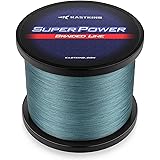
KastKing Superpower Braided Fishing Line, Abrasion Resistant Braid Line | Zero Stretch, Strong Knot Strength, Smaller Diameter, Enhanced Sensitivity, Long Casting, Superior Strength
(as of September 16, 2026 17:26 GMT +00:00 – More infoProduct prices and availability are accurate as of the date/time indicated and are subject to change. Any price and availability information displayed on [relevant Amazon Site(s), as applicable] at the time of purchase will apply to the purchase of this product.)
adidas Men’s Austin City FC Local Pop Short Sleeve Pre-game T-shirt, Kelly, X-Large
$28.60 (as of September 16, 2026 17:26 GMT +00:00 – More infoProduct prices and availability are accurate as of the date/time indicated and are subject to change. Any price and availability information displayed on [relevant Amazon Site(s), as applicable] at the time of purchase will apply to the purchase of this product.)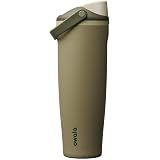
Owala FreeSip Sway Stainless Steel Water Bottle 40 oz Off Road
$44.99 (as of September 16, 2026 17:45 GMT +00:00 – More infoProduct prices and availability are accurate as of the date/time indicated and are subject to change. Any price and availability information displayed on [relevant Amazon Site(s), as applicable] at the time of purchase will apply to the purchase of this product.)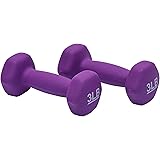
Amazon Basics Neoprene Dumbbell Hand Weights for Exercise and Muscle Toning
$9.45 (as of September 16, 2026 17:45 GMT +00:00 – More infoProduct prices and availability are accurate as of the date/time indicated and are subject to change. Any price and availability information displayed on [relevant Amazon Site(s), as applicable] at the time of purchase will apply to the purchase of this product.)



Leave a Reply