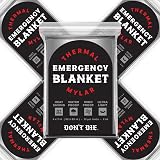
DON’T DIE Emergency Blanket – 5 Pack – Thermal Mylar Foil Space Blankets | Ultralight Waterproof Essential Survival Gear Supplies For Hiking Camping Tactical First Aid Go Bag Earthquake Disaster Kits
$8.75 (as of October 31, 2026 22:03 GMT +00:00 – More infoProduct prices and availability are accurate as of the date/time indicated and are subject to change. Any price and availability information displayed on [relevant Amazon Site(s), as applicable] at the time of purchase will apply to the purchase of this product.)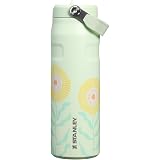
STANLEY IceFlow Flip Straw 2.0 Bottle, 24 oz, Honeydew Garden | Easy Carry Handle | Twist On Lid and Flip Up Straw | Lightweight Water Bottle | Insulated Stainless Steel | BPA-Free
$26.26 (as of October 31, 2026 22:03 GMT +00:00 – More infoProduct prices and availability are accurate as of the date/time indicated and are subject to change. Any price and availability information displayed on [relevant Amazon Site(s), as applicable] at the time of purchase will apply to the purchase of this product.)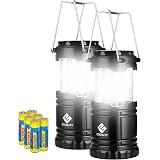
Etekcity LED Camping Lanterns, Battery Operated, 2 Pack | Power Outages, Hurricane Preparedness, Camping, Emergency Kit, Water Resistant, Collapsible Design, Batteries Included
$16.99 (as of October 31, 2026 22:03 GMT +00:00 – More infoProduct prices and availability are accurate as of the date/time indicated and are subject to change. Any price and availability information displayed on [relevant Amazon Site(s), as applicable] at the time of purchase will apply to the purchase of this product.)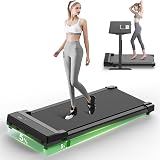
Walking Pad Treadmill with 5% Incline – Under Desk Running Machine Mat Pads for Home Office Portable Small Compact Quiet Flat Indoor Magnetic Lightweight Electric Treadmills Remote Control
$99.99 (as of October 31, 2026 22:03 GMT +00:00 – More infoProduct prices and availability are accurate as of the date/time indicated and are subject to change. Any price and availability information displayed on [relevant Amazon Site(s), as applicable] at the time of purchase will apply to the purchase of this product.)
HotHands Hand Warmers Value Pack, 10 Pairs – America’s Favorite Warmer
$7.48 (as of October 31, 2026 22:03 GMT +00:00 – More infoProduct prices and availability are accurate as of the date/time indicated and are subject to change. Any price and availability information displayed on [relevant Amazon Site(s), as applicable] at the time of purchase will apply to the purchase of this product.)
Urban fishing is a skill that urban preppers and survivalists should consider mastering. As cities expand and natural resources become scarcer, it is important to find alternative ways to source food, especially in emergency situations. Fishing in an urban environment offers a solution to this problem, providing a ready supply of fresh fish even in the midst of concrete jungles. In this guide, we will explore the art of urban fishing, providing tips and suggestions for urban preppers to ensure their fishing endeavors are successful and beneficial in times of need.
1. Choosing the Right Spot
When it comes to urban fishing, the first challenge is finding suitable fishing spots within the city limits. While it’s unlikely you’ll find pristine lakes or rivers, there are several potential locations to consider:
a. Urban Ponds and Lakes
Many cities have designated fishing ponds or small lakes in public parks. These areas are stocked with fish and often maintained by local authorities. Research your city’s parks and recreation department to locate these hidden gems. Be mindful of any rules or permits required to fish in these areas.
b. Reservoirs and Retention Ponds
Large cities generally have water reservoirs or retention ponds to manage rainwater runoff. These areas often hold fish, as they serve as catch basins for various aquatic species. Ensure that fishing is not prohibited in these areas, and follow any regulations set forth by the authorities.
c. Canals and Rivers
Urban areas often have canals or rivers flowing through them. While these waterways may be heavily polluted in some instances, there are stretches that can support fish populations. Do thorough research, visit local fishing forums, or consult with other urban preppers to identify suitable locations.
d. Coastal Areas
If you are lucky enough to live near the coast, fishing can be a more accessible activity. Coastal areas often offer opportunities for shoreline or pier fishing. You may catch a wide variety of saltwater fish, providing a diverse and potentially abundant source of food.
2. Gear and Equipment
When engaging in urban fishing, it’s important to have the right gear and equipment at your disposal. Here are some essentials to consider:
a. Fishing Rod and Reel
Invest in a compact and lightweight fishing rod and reel combo. Urban fishing often requires mobility, and having a portable setup will make your fishing trips more convenient. Choose a reel size suitable for the target fish species in your area.
b. Fishing Line and Tackle
Select a fishing line appropriate for urban fishing conditions. A monofilament line with a pound test suitable for the target fish species is generally a good choice. Carry a variety of hooks, sinkers, and lures to adapt to different fishing scenarios.
c. Bait
Research the local fish species and determine what bait they prefer. Options may include worms, insects, small fish, or artificial baits like soft plastic lures. Experiment with different bait types to find what attracts fish best in your chosen location.
d. Fishing Bag or Backpack
Invest in a fishing-specific bag or backpack to carry your gear, tackle, and other essentials. Look for one with multiple compartments to keep your equipment organized and easily accessible.
3. Fishing Techniques
While traditional fishing techniques can be effective in urban environments, certain approaches are particularly well-suited for urban preppers. Consider these techniques to maximize your chances of success:
a. Bottom Fishing
Bottom fishing is a technique where the bait is presented on or near the bottom of the water body. This approach can be effective for catching bottom-dwelling species like catfish, carp, or trout. Use a sinker to weigh down the line and keep the bait submerged.
b. Microfishing
Microfishing involves targeting small fish species using specialized equipment. This technique is gaining popularity among urban preppers as it requires minimal space and resources. By using tiny hooks and bait, you can catch a variety of small fish, which collectively can provide a decent meal.
c. Fly Fishing
Fly fishing is a versatile approach suitable for urban environments. It involves using an artificial fly that imitates insects or small fish. Fly fishing techniques allow you to cover a larger area and tempt fish in various water conditions. Mastering this technique provides an advantage for urban preppers.
d. Night Fishing
In some urban areas, fishing activity is limited during daylight hours. To increase your chances of success, consider night fishing. Many fish species are more active at night, making it an ideal opportunity to catch them unaware. Ensure you have proper lighting and take appropriate safety precautions when engaging in night fishing activities.
4. City Regulations and Safety Considerations
Before embarking on your urban fishing adventures, be aware of city regulations and prioritize safety. Here are some key considerations:
a. Regulations
Familiarize yourself with local fishing regulations and permits. Urban areas may have specific rules regarding fishing, such as catch limits, designated areas, and prohibited species. Following these regulations helps preserve the fish population and ensures your fishing activities remain legal.
b. Water Quality and Pollution
Urban areas often face water pollution challenges. Before consuming any fish caught in urban environments, it is crucial to consider the water quality. Some areas may have contamination issues due to pollutants, so exercise caution and adhere to the recommended guidelines for safe consumption.
c. Safety Precautions
Urban fishing may present unique safety challenges. Always exercise caution near water bodies, especially if you are fishing in isolated areas or at night. Inform someone about your fishing plans, and consider bringing a buddy along for added security. Wear appropriate protective clothing and carry basic first aid supplies.
Conclusion
Urban fishing offers urban preppers and survivalists a valuable skill in times of need. By carefully selecting fishing spots, acquiring the right gear, and employing suitable techniques, urban fishing can provide a reliable source of sustenance. Remember to adhere to local regulations, prioritize safety, and consider the water quality before consuming any fish caught in urban environments. With proper preparation and knowledge, urban fishing can become an essential tool in a prepper’s urban survival arsenal.
Author


Gaiam Thick Yoga Mat, Exercise & Fitness Mat with Easy-Cinch Carrying Strap | Non-Slip NBR Foam | Joint Cushioning | Yoga, Pilates, Fitness & Floor Workouts | 72″L x 24″W
$23.02 (as of October 31, 2026 22:03 GMT +00:00 – More infoProduct prices and availability are accurate as of the date/time indicated and are subject to change. Any price and availability information displayed on [relevant Amazon Site(s), as applicable] at the time of purchase will apply to the purchase of this product.)
2026 Topps NFL Heritage Football – Factory Sealed – Value Box
$24.99 (as of October 31, 2026 22:03 GMT +00:00 – More infoProduct prices and availability are accurate as of the date/time indicated and are subject to change. Any price and availability information displayed on [relevant Amazon Site(s), as applicable] at the time of purchase will apply to the purchase of this product.)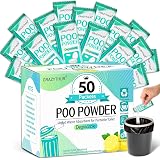
CRAZYTHUR Poo Powder for Portable Toilet Gel Powder, Camping Toilet Gel | Pee Powder, Eco Toilet Gel for 650ml Urine/10g, Toilet Gel Powder for Outdoor Camping and Hiking
$16.99 (as of October 31, 2026 22:03 GMT +00:00 – More infoProduct prices and availability are accurate as of the date/time indicated and are subject to change. Any price and availability information displayed on [relevant Amazon Site(s), as applicable] at the time of purchase will apply to the purchase of this product.)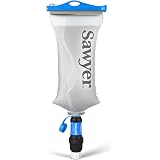
Sawyer Squeeze Water Filtration System, Cnoc Premium 2 Liter Bladder, Clear
$64.95 (as of October 31, 2026 22:03 GMT +00:00 – More infoProduct prices and availability are accurate as of the date/time indicated and are subject to change. Any price and availability information displayed on [relevant Amazon Site(s), as applicable] at the time of purchase will apply to the purchase of this product.)