Owala Marvel Spider-Man FreeSip Stainless Steel Water Bottle 32 oz
$34.24 (as of October 31, 2026 22:03 GMT +00:00 – More infoProduct prices and availability are accurate as of the date/time indicated and are subject to change. Any price and availability information displayed on [relevant Amazon Site(s), as applicable] at the time of purchase will apply to the purchase of this product.)
Hasbro Gaming Crossfire Game | Indoor Active Game for Kids and Teens | 2 Blasters, Marbles, Arena | Fun Family Board Games | 2 Players | 10 Mins. | Ages 7+
$19.97 (as of October 31, 2026 22:03 GMT +00:00 – More infoProduct prices and availability are accurate as of the date/time indicated and are subject to change. Any price and availability information displayed on [relevant Amazon Site(s), as applicable] at the time of purchase will apply to the purchase of this product.)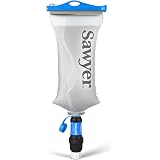
Sawyer Squeeze Water Filtration System, Cnoc Premium 2 Liter Bladder, Clear
$64.95 (as of October 31, 2026 22:03 GMT +00:00 – More infoProduct prices and availability are accurate as of the date/time indicated and are subject to change. Any price and availability information displayed on [relevant Amazon Site(s), as applicable] at the time of purchase will apply to the purchase of this product.)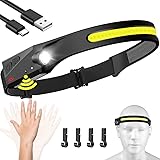
Headlamp Rechargeable, 230° Wide Beam Head Lamp LED with Motion Sensor for Adults – Camping Accessories Gear, Waterproof Head Light Flashlight for Hiking, Running, Repairing, Fishing, Cycling
$13.99 (as of October 31, 2026 22:03 GMT +00:00 – More infoProduct prices and availability are accurate as of the date/time indicated and are subject to change. Any price and availability information displayed on [relevant Amazon Site(s), as applicable] at the time of purchase will apply to the purchase of this product.)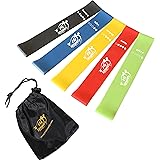
Fit Simplify Resistance Loop Exercise Bands with Instruction Guide and Carry Bag, Set of 5
$9.98 (as of October 31, 2026 22:03 GMT +00:00 – More infoProduct prices and availability are accurate as of the date/time indicated and are subject to change. Any price and availability information displayed on [relevant Amazon Site(s), as applicable] at the time of purchase will apply to the purchase of this product.)In times of uncertainty and potential disruption, it’s essential for urban preppers and survivalists to develop a wide range of skills to ensure their self-sufficiency. One valuable skill to acquire is urban foraging. With the right knowledge, urban environments can offer an abundance of resources, allowing you to gather food and supplies without venturing outside city limits. In this comprehensive guide, we will explore the art of urban foraging, providing you with the tips and suggestions you need to thrive in an ever-changing world.
I. Introduction
Urban foraging involves sourcing wild food and resources within an urban setting. This practice offers a sustainable and cost-effective way to supplement your diet and supply chain, ensuring you can meet your basic needs even when traditional resources become scarce.
In this guide, we will take you through the fundamental techniques and considerations for successful urban foraging. From identifying edible plants and mushrooms to finding hidden sources of water and game, you’ll discover the hidden treasures your concrete jungle holds. So, put on your metaphorical explorer hat and let’s dive into the world of urban foraging.
II. Identifying Edible Plants
1. Start with familiar plants
Begin your urban foraging journey by learning about the plants that are already familiar to you. Many common urban landscapes are filled with edible plants that go unnoticed. Dandelions, plantain, and lamb’s quarters are some examples of easily recognizable plants.
2. Research local wild edibles
Beyond familiar plants, take the time to research local wild edibles that are abundant in your region. Each city has its own unique ecosystem, so knowing which plants are safe to eat is essential. Consider joining local foraging groups, using reliable field guides, or attending workshops to deepen your knowledge.
3. Be cautious of contamination
While urban foraging offers numerous benefits, it’s important to remember that city environments can be polluted. Avoid areas near roads, industries, or places treated with chemicals, as these may contaminate plants and make them unsafe for consumption. Stick to parks, community gardens, and natural areas that are less likely to be contaminated.
III. Gathering Wild Food
1. Learn about sustainable harvesting
When gathering wild food, it’s crucial to follow sustainable harvesting practices to ensure the long-term availability of resources. Only take what you need, leave some behind for regrowth and for other foragers, and avoid damaging the plant or its surroundings during the process.
2. Focus on invasive species
Urban environments are often plagued by invasive species that compete with native plants. Take advantage of this by harvesting them. Plants like garlic mustard and Japanese knotweed are not only highly invasive but can also be consumed safely.
3. Consider common fruits and nuts
Cities often have fruit trees and nut-bearing trees lining the streets or growing in abandoned lots. Explore your surroundings and identify trees that produce edible fruits or nuts. Apples, figs, walnuts, and almonds are just a few examples of what you might find.
IV. Finding Water Sources
1. Look for natural water bodies
Urban areas usually have rivers, streams, and lakes that can serve as potential water sources in an emergency situation. Research and scout nearby locations where you can access clean water. Familiarize yourself with purification techniques such as boiling, filtering, and using water purification tablets.
2. Harvest rainwater
In addition to natural water bodies, you can harvest rainwater from your own property or through community initiatives. Install rain barrels on your roof or in your garden to collect rainwater that can be filtered and used for various purposes.
3. Utilize public facilities
Public areas such as parks and recreation centers often have water fountains or taps. Locate these facilities in advance, as they can provide clean water when needed. Always be prepared with your own water bottle or container for collection.
V. Hunting and Trapping in Urban Areas
1. Research local regulations
Before considering hunting or trapping in an urban environment, familiarize yourself with local regulations and restrictions. Ensure that hunting, particularly within city limits, is legal in your area. Obtain the necessary permits and licenses to avoid any legal complications.
2. Focus on small game
When it comes to urban hunting, focus on small game such as rabbits, squirrels, or pigeons. These animals are more likely to be found in city parks, abandoned lots, or rooftops. Learn appropriate hunting techniques for each species and practice responsible and ethical hunting practices.
3. Consider alternative protein sources
If hunting or trapping is not possible or allowed in your area, consider alternative protein sources such as insects. Urban environments often harbor a variety of edible insects like crickets, mealworms, or ants. Research local species and learn proper harvesting and preparation methods.
VI. Conclusion
As an urban prepper, honing the skill of urban foraging is crucial for your self-sufficiency and resilience. By identifying edible plants, gathering wild food, finding water sources, and exploring hunting and trapping options, you can ensure a more sustainable and versatile survival strategy.
Remember, urban foraging requires constant learning, practice, and careful consideration of potential hazards or contamination. Regularly update your knowledge, connect with local foraging communities, and always prioritize your safety.
Embrace the adventure of urban foraging and develop the skills needed to thrive in even the most uncertain times. Unlock the hidden potential of your concrete jungle and discover nature’s offerings right at your doorstep. Happy foraging, urban preppers!
Disclaimer: Urban foraging carries inherent risks. Always exercise caution and ensure accurate plant identification before consuming any wild edibles. Consult with experts or professionals if unsure.
Author

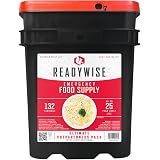
READYWISE Emergency Food Supply Survival Bucket, 132 Servings
$99.99 (as of October 31, 2026 22:03 GMT +00:00 – More infoProduct prices and availability are accurate as of the date/time indicated and are subject to change. Any price and availability information displayed on [relevant Amazon Site(s), as applicable] at the time of purchase will apply to the purchase of this product.)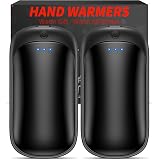
Lerat 2 Pack Hand Warmers Rechargeable, Portable Electric Hand Warmers Reusable, Portable Pocket Heater, Gifts for Men Women Kids, Hunting, Golf, Camping Accessories
$11.99 (as of October 31, 2026 22:03 GMT +00:00 – More infoProduct prices and availability are accurate as of the date/time indicated and are subject to change. Any price and availability information displayed on [relevant Amazon Site(s), as applicable] at the time of purchase will apply to the purchase of this product.)
Sawyer Squeeze Water Filtration System, Cnoc Premium 2 Liter Bladder, Clear
$64.95 (as of October 31, 2026 22:03 GMT +00:00 – More infoProduct prices and availability are accurate as of the date/time indicated and are subject to change. Any price and availability information displayed on [relevant Amazon Site(s), as applicable] at the time of purchase will apply to the purchase of this product.)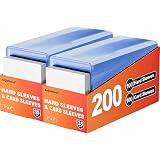
400 Card Sleeves Hard Plastic, Arjiekwei 3″X 4″ Trading Card Holder, 35PT | Baseball Cards Protectors for Sports Football Game Cards (200 Hard Sleeves + 200 Soft Sleeves)
$19.99 (as of October 31, 2026 22:03 GMT +00:00 – More infoProduct prices and availability are accurate as of the date/time indicated and are subject to change. Any price and availability information displayed on [relevant Amazon Site(s), as applicable] at the time of purchase will apply to the purchase of this product.)